
Last updated November 4, 2026
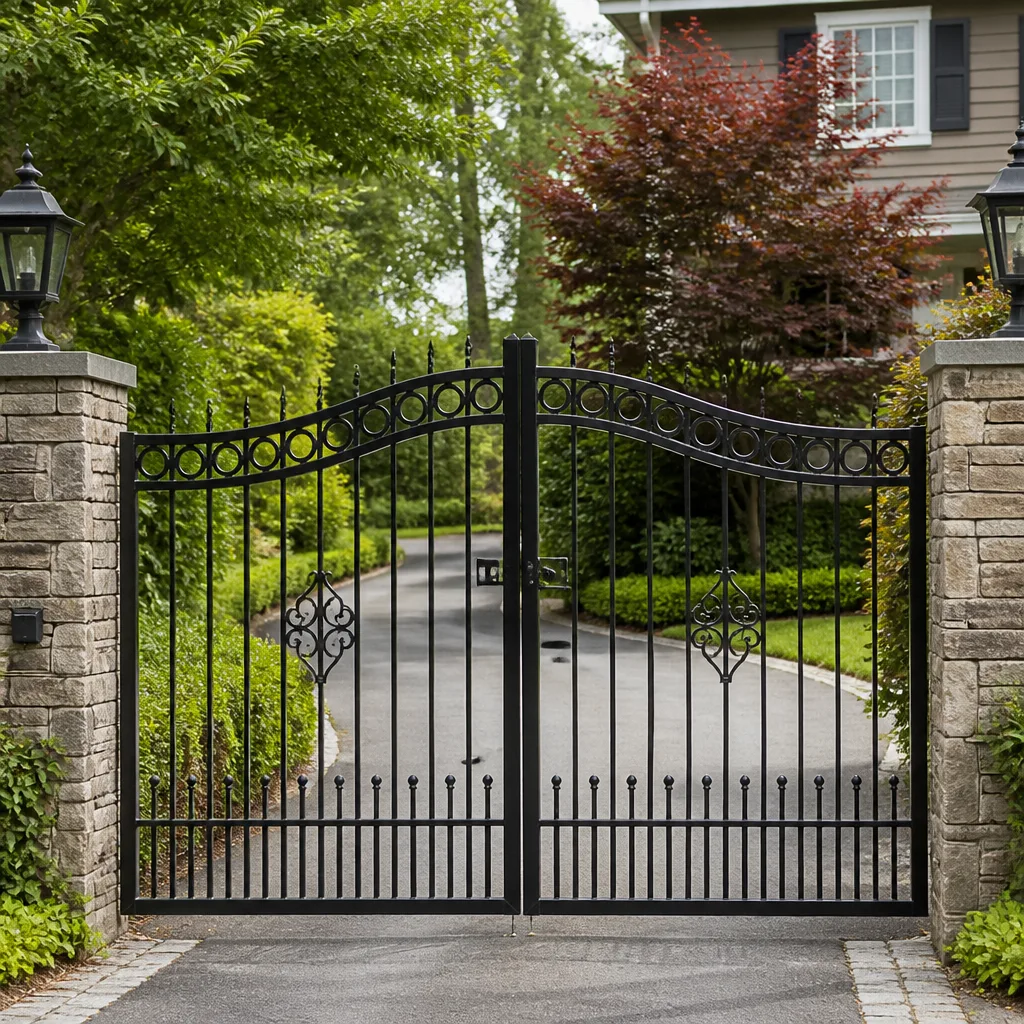 Wrought iron
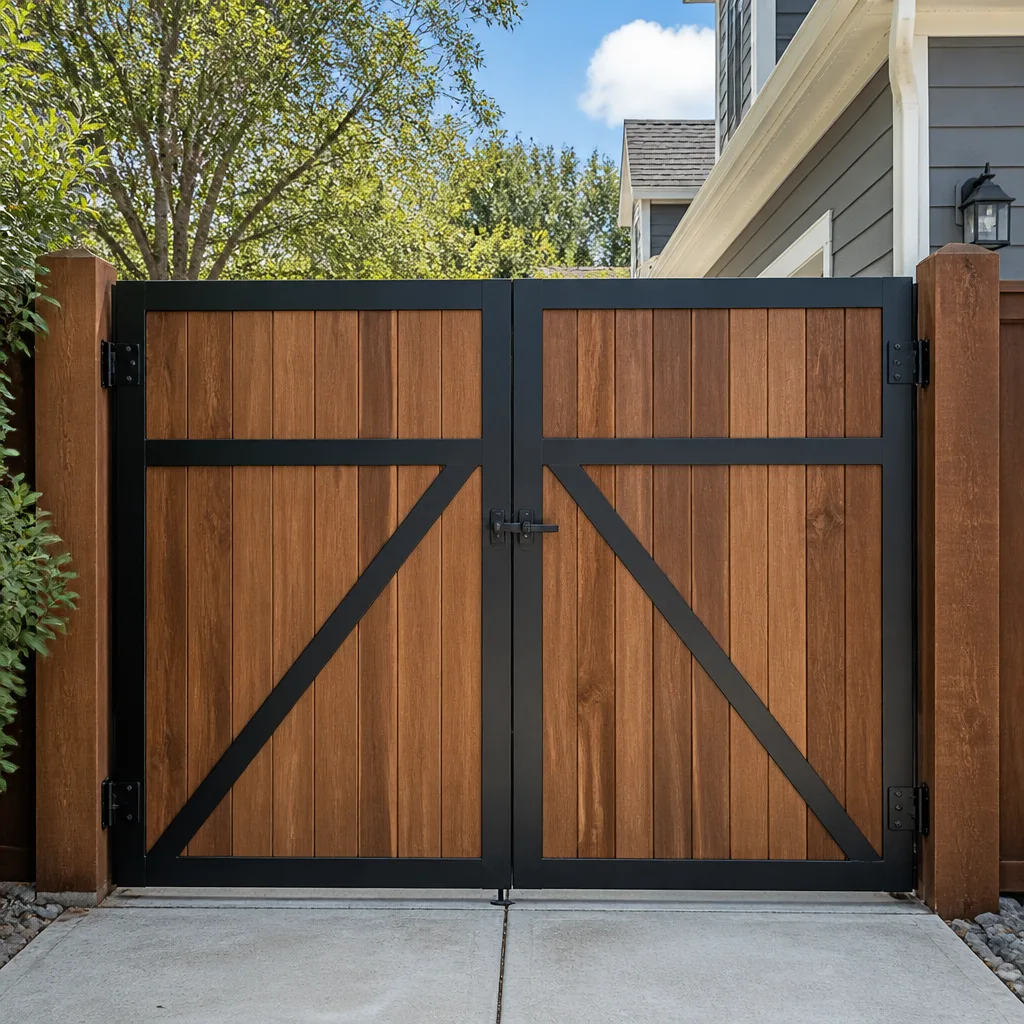 Wood & steel frame
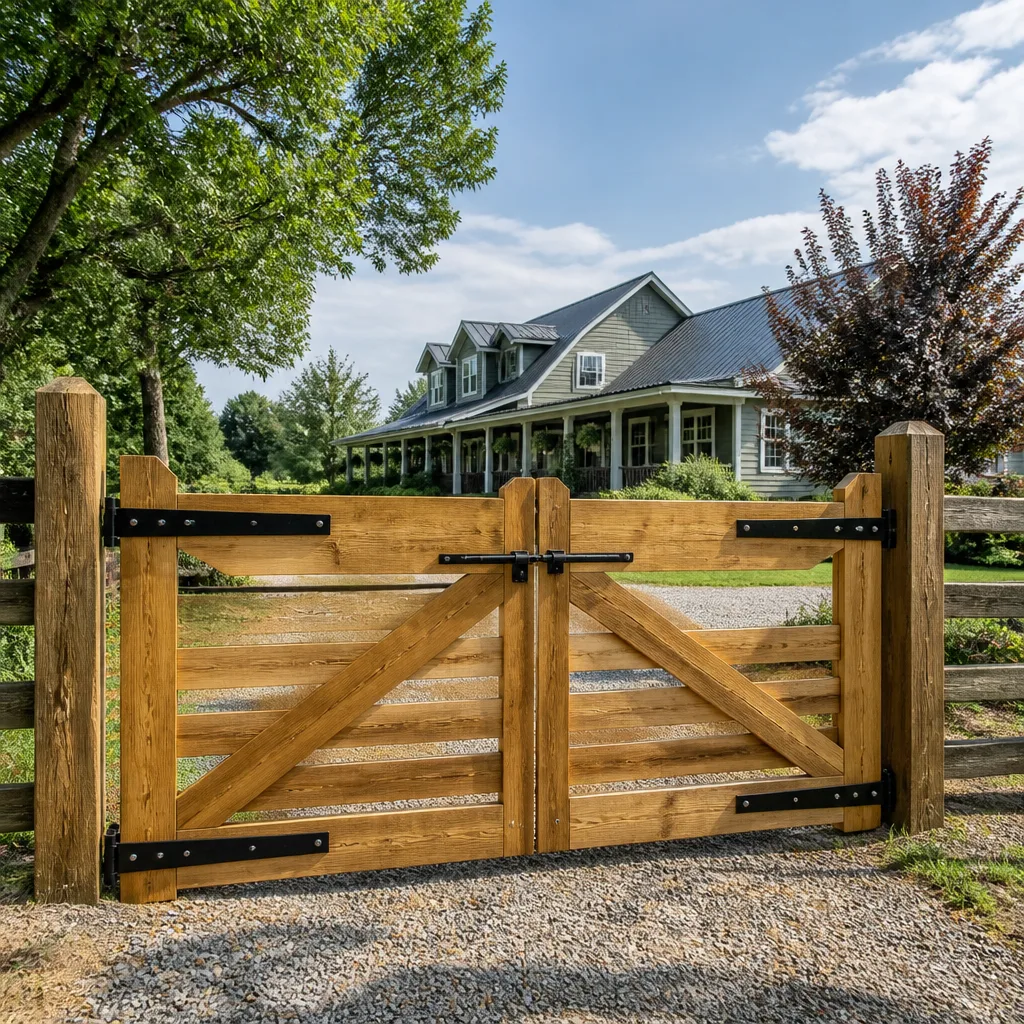 Farm & ranch
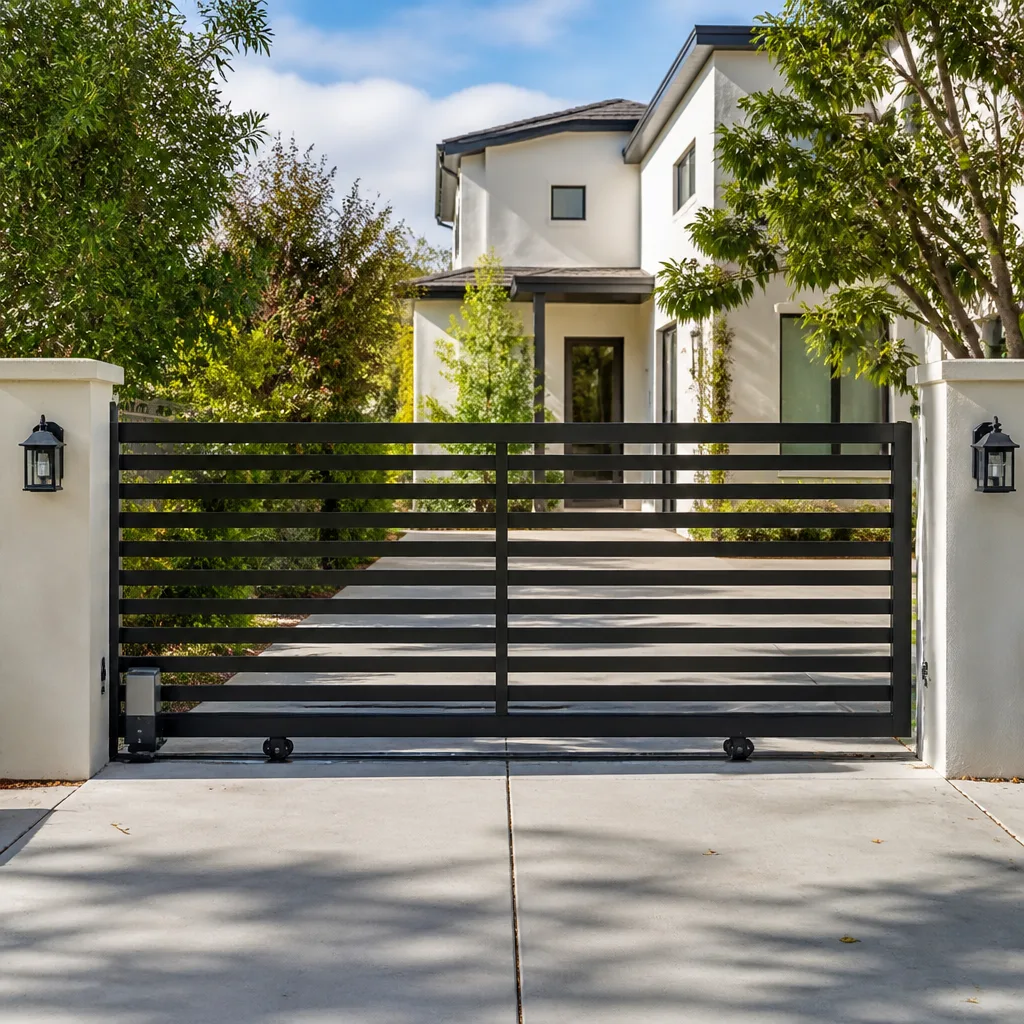 Sliding driveway gates
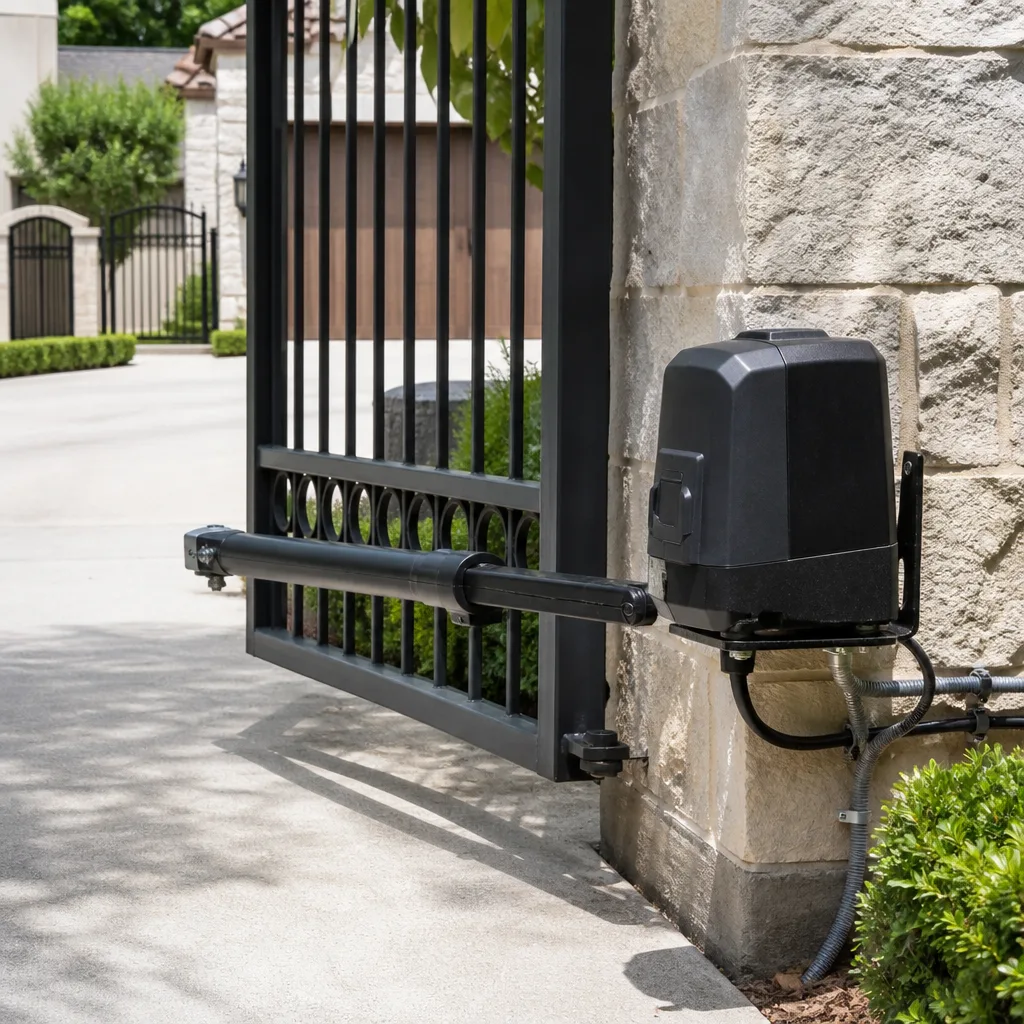 LiftMaster operators
Free on-site gate assessment - hinges, posts, and your LiftMaster or Nice gate operator checked before anything is quoted
The assessment is free and the quote is the invoice.
Get your free estimateGate Repair Warning Signs: A Highland Park Homeowner’s Reference Guide
A gate that grinds when reversing direction isn’t a lubrication problem. It’s almost always a rack-and-pinion mesh issue or a worn drive gear, and lubricating it delays the diagnosis while the underlying wear accelerates. Most Highland Park homeowners misread the signals their gates send because they don’t know which symptoms map to which components. A half-second hesitation on close can indicate a failing motor capacitor that’s two weeks from complete failure. This guide teaches symptom-to-cause diagnosis so you know what needs attention now, what can wait, and what’s about to leave your driveway stuck open or shut.
Quick Answer
The most common gate repair warning signs in Highland Park are grinding or clicking sounds during operation, hesitation when starting or reversing, a gate that slows down over weeks, visible post lean or hinge sag, and keypad or intercom systems that work intermittently. Any of these signals means a component is degrading. The right response is to identify which component is failing before it takes down the whole system.
Styles & brands we work with
- Wrought iron
- Wood & steel frame
- Farm & ranch
- Sliding driveway gates
- LiftMaster operators
Table of Contents
- Electrical vs. Mechanical Warning Signs: How to Tell the Difference
- The Seven Sounds a Gate Makes Before It Fails
- Visual Warning Signs on Structural Components
- Access Control and Intercom Symptoms That Point to the Gate Itself
- The 48-Hour Rule: Which Signs Need Same-Week Service
- How Warning Signs Differ by Gate Type in Highland Park
- Common Mistakes to Avoid
- When to Call a Professional
Electrical vs. Mechanical Warning Signs: How to Tell the Difference
You can distinguish electrical from mechanical gate problems without opening a single panel. The key is watching how the operator behaves, not just what the gate does. Electrical failures tend to be intermittent and inconsistent: the gate works fine for three days, then stops mid-cycle for no apparent reason. Mechanical failures are consistent and progressive: every cycle includes the same grind, the same hesitation, the same resistance at the same point. That consistency is your diagnostic tool.
Electrical warning signs include a gate that starts after a delay when you press the remote, lights on the operator that flicker or stay dark, a motor that hums but doesn’t turn, and a gate that reverses without hitting anything. These point to capacitors, control boards, limit switches, or low-voltage wiring. In Highland Park’s dry climate, dust accumulation on control boards is a real factor we’ve seen repeatedly. Dust plus the heat of an enclosed operator housing shortens board life.
Mechanical warning signs are the ones you can feel through the structure: a gate that shudders as it moves, a post that flexes when the gate stops, a hinge that squeals under load, a chain that sags. These are problems in the physical components: hinges, wheels, tracks, chains, racks, and posts. They don’t fix themselves and they don’t respond to electronic adjustments. If the operator is working harder every week to move the same gate, that’s a mechanical issue straining an electrical system, and it will eventually burn out the motor.
One reliable test: disconnect the operator and push the gate manually. If it’s hard to move by hand, the problem is mechanical. If it rolls freely by hand but fights the motor, the problem is electrical. That’s a 60-second check that saves a wrong diagnosis. For automated systems on brands like LiftMaster or FAAC, this distinction matters because the repair path is completely different: replacing a capacitor versus replacing a roller or hinge.
Quick comparison:
- Electrical: intermittent, inconsistent, no physical resistance, humming without movement, flickering lights, random reversals.
- Mechanical: consistent, progressive, physical resistance, grinding or squealing, visible sag or lean, harder to move by hand.
- Both: a mechanical problem left unaddressed becomes an electrical problem when the motor burns out from overwork.
The Seven Sounds a Gate Makes Before It Fails
Highland Park homeowners describe gate noises to us all the time, and the sound is usually the first warning sign. Gates are not quiet machines, but they are predictable. A change in sound means a change in component condition. Here are the seven sounds we hear about most, and what each one maps to by gate type.
- Grinding: On a sliding gate, grinding almost always points to the rack-and-pinion mesh or a worn drive gear. On a swing gate, it’s typically the operator’s internal gears. Grinding is a metal-on-metal sound that says lubrication is gone and wear is happening right now. Lubricating a grinding gate without checking gear wear just quiets the symptom while the damage continues.
- Clicking: A rapid clicking sound when you press the remote or keypad usually means the control board is receiving a signal but failing to execute it. On some operators, a single click followed by nothing points to a bad capacitor or start relay. Clicking is electrical, not mechanical.
- Humming: A motor that hums but doesn’t turn is a classic capacitor failure. The motor wants to start but can’t. On Mighty Mule and Ghost Controls operators, which are common in Highland Park residential installations, a humming motor that won’t engage is one of the most frequent service calls we handle.
- Skipping: A skipping or chattering sound on a sliding gate means the drive gear is jumping teeth on the rack. The gate will visibly jerk instead of moving smoothly. This damages both the gear and the rack, and every skipped tooth makes the next one more likely. Stop running the gate when you hear this.
- Squealing: Squealing points to bearings or hinges under load without adequate lubrication. On a swing gate, it’s often a hinge pin that’s wearing against the hinge body. On a sliding gate, it’s wheel bearings. Squealing is a mechanical warning that gets worse in dry climates like Highland Park’s, where lubrication degrades faster.
- Stuttering: A gate that moves in short, uneven bursts rather than one smooth travel is telling you about inconsistent power delivery or a failing limit switch. The operator starts and stops rapidly as it tries to interpret conflicting signals. Stuttering is electrical and typically gets worse over days, not weeks.
- Silence: A gate that suddenly makes no sound at all when triggered is usually a power issue or a dead control board. But silence after weeks of progressive noise is often a mechanical failure that has now burned out the motor. The noise didn’t go away because the problem resolved. It went away because the motor gave up. This is the failure event the earlier sounds were warning about.
If you’re hearing any of these sounds from your gate in Highland Park, the most useful thing you can do is record a short video with sound and note when it happens: every cycle, only when hot, only first thing in the morning. That detail helps a technician diagnose the right component on the first visit, and it’s exactly the kind of information we ask for when you call. For electric gate repair, the sound alone often identifies the failing part before we even arrive.
Visual Warning Signs on Structural Components
Your gate’s structure carries every cycle of its life. Highland Park’s dry heat and occasional heavy rain put different kinds of stress on welds, hinges, and posts than coastal moisture would, and the visual signs of that stress are there if you know where to look. A structural failure doesn’t happen suddenly. It telegraphs itself for weeks or months first.
Weld fatigue: Look at every weld point, especially where the gate frame meets the hinge hardware and where diagonal bracing connects to horizontal rails. Weld fatigue shows as hairline cracks, rust staining at the weld seam, or paint flaking in a thin line. A crack in a weld is a one-way trip: it will not heal, and every gate cycle widens it. On a heavy automated gate, a failed weld means the gate drops or twists, and that can damage the operator, the hinges, and the post in one event.
Hinge wear: Hinges are the loaded joint that carries the entire weight of the gate leaf. Watch for the gate sagging on the latch side, which means the hinge side is wearing. Look for a hinge pin that’s no longer vertical, a hinge that creaks even after lubrication, or visible play when you push the gate gently. A sagging gate doesn’t just look off; it forces the operator to lift against gravity on every cycle, and that shortens motor life significantly.
Post lean: The posts are the anchor of the whole system. A post that’s leaning, even a few degrees, means the footing has shifted or the post was never set deep enough for the load. In Highland Park’s clay-heavy soil, which expands and contracts with moisture changes, undersized footings show up as post lean within the first few years. A leaning post puts the gate out of alignment, which makes the operator work harder, which accelerates every other wear point. Check the post with a level. If the bubble isn’t centered, have it looked at before it worsens. Posts need to go to proper footing depth, and correcting a lean is far cheaper than replacing a post that’s pulled out of the ground.
Access Control and Intercom Symptoms That Point to the Gate Itself
When a keypad stops working or an intercom goes fuzzy, most people assume the access device is the problem. In our experience serving Highland Park, the access system is often innocent. The symptom is in the device, but the cause is usually in the gate’s control board, low-voltage wiring, or power supply.
A keypad that works intermittently, works only when it’s cool, or lights up but doesn’t trigger the gate often points to a failing control board relay rather than a keypad fault. The keypad sends the signal; the board is supposed to act on it. If the board’s relay is degrading, the keypad looks unreliable. Replacing the keypad alone won’t fix it.
A telephone entry or intercom system that drops calls, produces static, or doesn’t release the gate points to voltage issues on the phone line or gate power supply. These systems run on low-voltage wiring that’s sensitive to interference and damaged insulation. A short in the wire, a failed transformer, or a control board that’s no longer sending a clean relay signal all show up as what looks like a broken intercom. If the gate opens fine from the remote but not from the keypad or intercom, the operator is fine: the problem is between the access device and the board, or on the board itself.
One more access-control symptom to watch: the gate opens on its own, or opens and immediately closes. This usually means a loop detector is failing or the board is receiving phantom signals. On automated gates in Highland Park’s hilly neighborhoods, where driveway slopes affect loop installation, a dying loop detector is a common culprit. The fix is often a loop replacement or sensitivity adjustment, not a new operator.
What this all means: when access control misbehaves, don’t replace the keypad or intercom before someone tests the gate’s control board and wiring. A specialist who knows LiftMaster and BFT control boards will trace the signal path before replacing any part. That’s the difference between a $400 keypad replacement that doesn’t solve the problem and a board repair that does.
The 48-Hour Rule: Which Signs Need Same-Week Service
Not every warning sign is an emergency. But some are, and the difference comes down to failure mode: is this component degrading slowly, or is it about to fail catastrophically? Here’s how we think about it.
Signs that need service this week (you have days, not weeks):
- A gate that reverses on its own without hitting anything. This means the safety circuit is malfunctioning, and it can leave your gate stuck open or stuck closed at any time.
- A motor that hums but doesn’t turn. Every time this happens, the capacitor is degrading further. If it fails completely, the motor won’t start at all.
- A sliding gate that skips or chatters on the rack. Every skip is chewing the gear and rack. A few more cycles can strip the gear and drop the gate off its drive.
- Visible post lean that’s getting worse. A leaning post is the one structural failure that cascades into every other component, and it doesn’t require a dramatic event to go from leaning to failed.
- Welds with visible cracks. A cracked weld is already failed. It’s just waiting for load to separate it.
Signs that need same-week service (you have a week or two):
- Grinding that’s consistent but the gate still completes its cycle. The gears are wearing, but haven’t failed yet.
- Squealing hinges or bearings. Lubrication helps short-term, but the underlying wear is already underway.
- A gate that’s noticeably slower than it was a month ago. Slowing means the operator is working harder, which means something mechanical is binding.
- Intermittent keypad or intercom issues. The problem is progressive and will reach full failure, but you have a small window to fix it before you’re locked out or locked in.
Signs that need service this month:
- Paint flaking at welds without visible cracks. This is early-stage corrosion or stress, worth monitoring but not urgent.
- A gate that’s slightly out of level but still operates smoothly. This points to early hinge wear that won’t become critical immediately.
- Remote range that’s gradually shrinking. This can be antenna position or a weakening receiver, and it degrades slowly.
For Highland Park homeowners, the practical takeaway is this: if the gate does something it didn’t do before, write it down. Note the sound, the timing, and whether it’s getting worse. That record is worth more than any guesswork when you call a technician.
How Warning Signs Differ by Gate Type
Highland Park properties run the full range of gate types, and the warning signs differ meaningfully by what’s installed. A symptom that means one thing on a sliding gate can mean something entirely different on a swing gate, and operators like Elite and FAAC each have their own failure characteristics.
Sliding gates: These are the most common in Highland Park’s new-build and newer-renovation homes, where driveway space is measured in feet rather than acres. Sliding gates fail most often at the rack-and-pinion, the wheel bearings, and the limit switches. Warning signs to watch: jerky movement, grinding, skipping, and the gate stopping short or overrunning the limit. The track also matters: debris in the track, a bent section of track, or wheels wearing unevenly all show up as resistance the motor has to fight. In dry dusty conditions, track debris is a bigger factor than many homeowners realize.
Swing gates: Traditional single-panel and double-panel swing gates depend on hinges, posts, and operator arms. The most common failure points are hinge pins wearing out, post lean, and operator arm bushings degrading. Warning signs: sagging, squealing, a gate that needs a push to start, or an operator that strains audibly at the start of the cycle. Swing gates put more load on their posts than sliding gates do, and post lean is a bigger concern here.
Automated gates with LiftMaster operators: LiftMaster is widely installed in Highland Park, and its failure pattern is consistent: capacitor issues, limit switch drift, and remote range that fades over time. A LiftMaster operator that hums, hesitates, or opens only partway is usually electrical. These operators also have safety beam systems that, when misaligned or dirty, cause the gate to reverse without cause.
Automated gates with Mighty Mule or Ghost Controls operators: These are common on lighter residential gates and DIY-installed systems. Their typical failure points are control boards, batteries, and solar panel connections. Warning signs: the gate works only when the sun is out, the keypad works but the remote doesn’t, or the gate opens fine but won’t close. These symptoms point to power delivery or board issues rather than mechanical failure.
Sentinel Gate Repair works on all of these systems, and the reason we lead with brand experience is simple: a LiftMaster operator fails differently than a FAAC operator, and a technician who knows the brand doesn’t guess at the diagnosis. When you call us for gate repair in Highland Park, the technician who shows up already knows what your operator is likely to do, because we’ve seen that exact model fail that exact way before.
Common Mistakes to Avoid
- Lubricating a grinding gate without checking the gears. Lubricant quiets the noise for a day or two, which is enough to miss the window for a cheap gear replacement. Then the gear strips and the repair is bigger. On a gate that’s already grinding, lubrication without diagnosis is a delay tactic, not a fix.
- Replacing the keypad or intercom before testing the control board. This happens constantly. The access device is just the messenger. If the board’s relay is failing, a new keypad won’t change anything. Test the control path first. It saves money and time.
- Ignoring a gate that’s slow but still working. Slowness isn’t a quirk; it’s resistance. The motor is telling you it’s working harder than it should. Let it go and the motor fails, usually at the worst possible moment: late at night, with your car outside the gate.
- Welding a cracked gate yourself without addressing why it cracked. A cracked weld is a symptom of stress, not a one-time event. Welding alone reinforces the failure point but doesn’t fix the alignment, load, or footing issue that caused it. The weld will crack again, next to the repair.
- Using a general contractor for complex automated gate problems. Most general contractors and handymen will tell you they don’t handle automated gate diagnosis. That’s because an LV circuit, a control board, and a rack-and-pinion system aren’t general construction work. We regularly get calls from Highland Park homeowners after another trade has already spent time and parts guessing. A gate specialist costs less in the long run.
- Running a gate that’s making a new sound to “see if it goes away.” It won’t go away. New sounds are new failures in progress. Every cycle you run on a grinding or skipping gate does more damage than the previous cycle.
When to Call a Professional
Call a gate specialist if your gate is making a sound it didn’t make before, moving slower than it used to, sagging, leaning, or reversing without reason. Call if your keypad or intercom works only sometimes. Call if you see cracks at welds or if the gate hesitates before it starts. These are not diagnostics you should leave to guesswork, and on an automated gate, opening the control panel without knowing what you’re doing exposes you to live low-voltage wiring that can cause shock or board damage. Sentinel Gate Repair offers free estimates in Highland Park. Call (855) 490-6590 and tell us what you’re seeing and hearing. We answer 24/7. Fast dispatch from 7am to 7pm, Sunday through Friday.
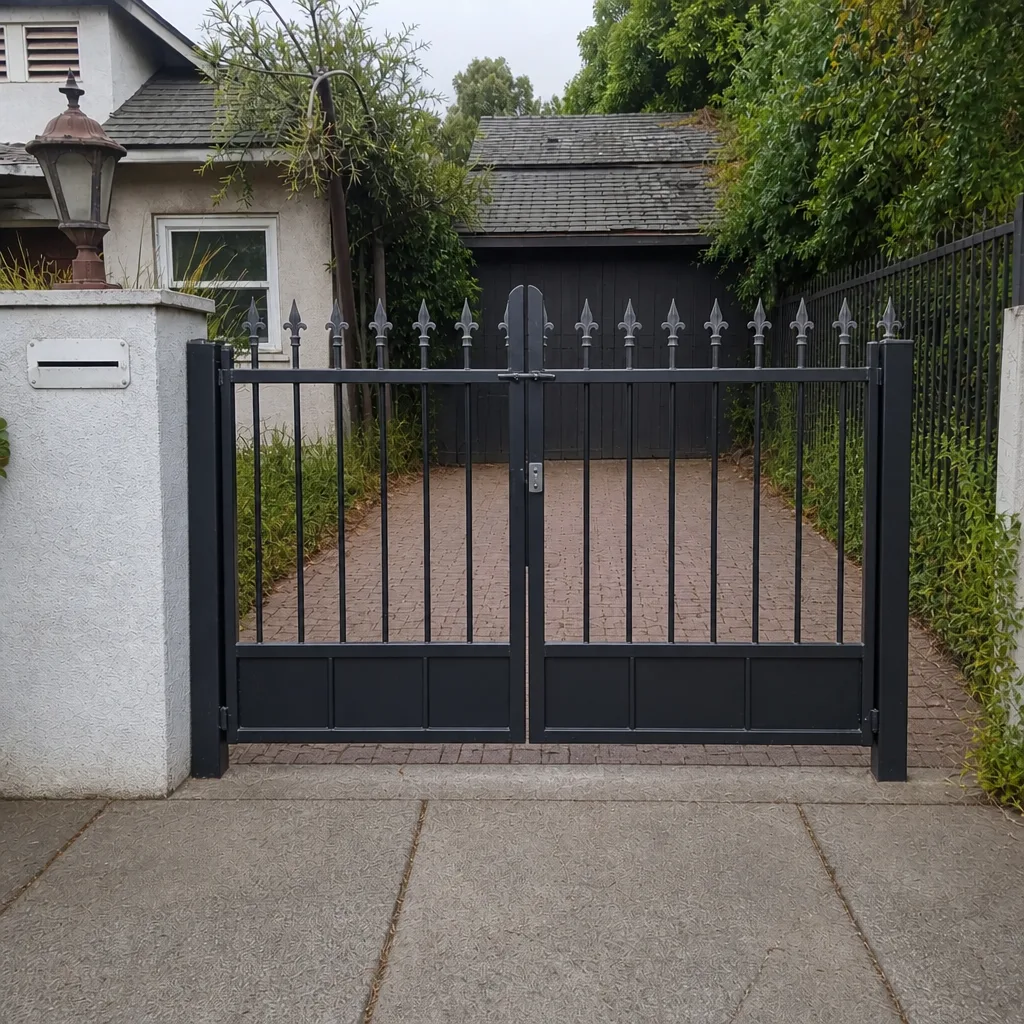
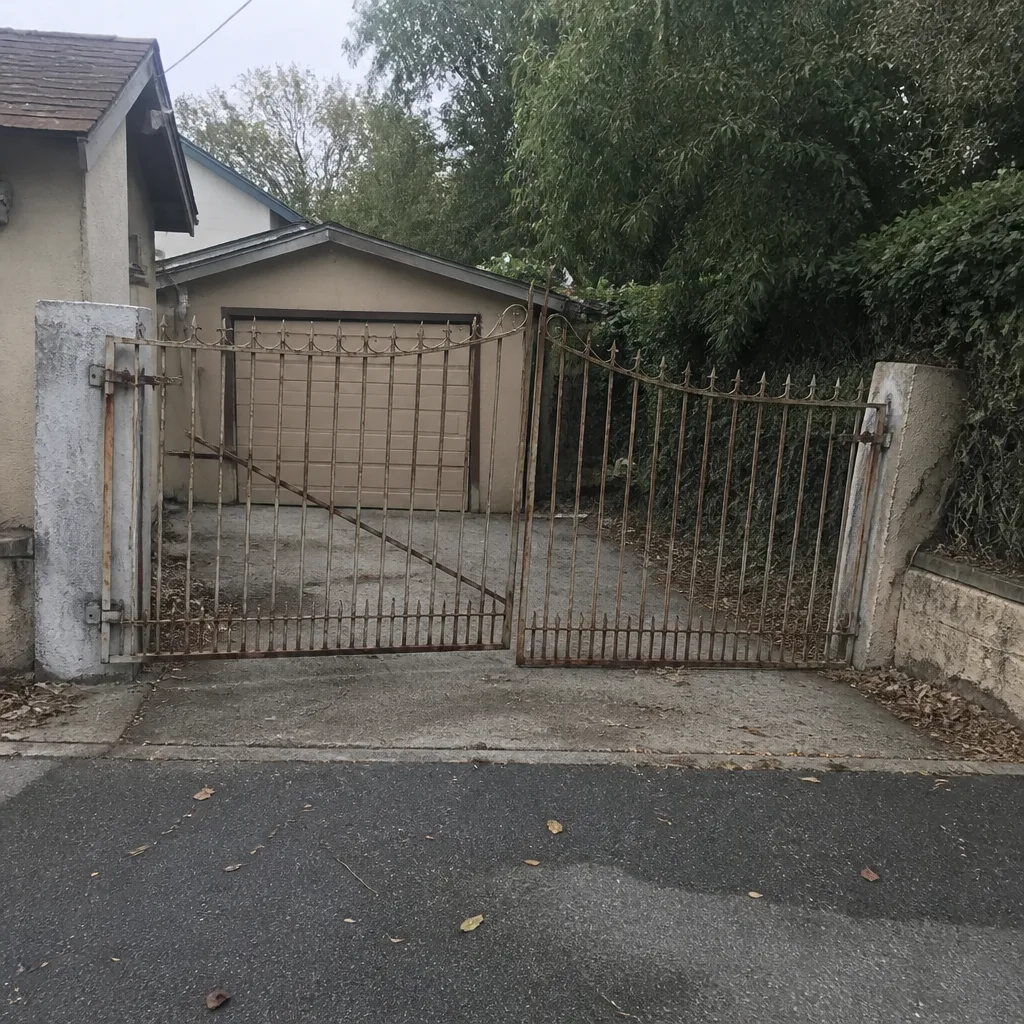
See the difference
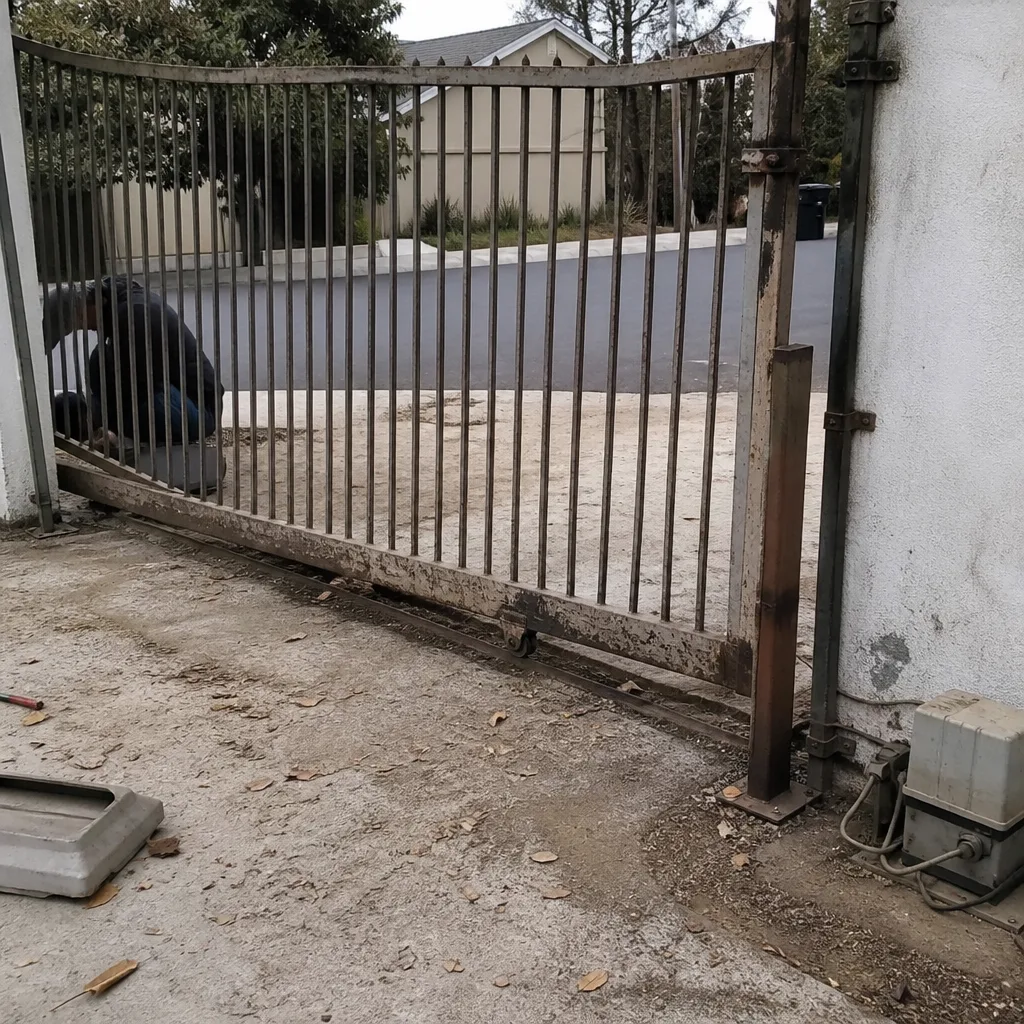 Before
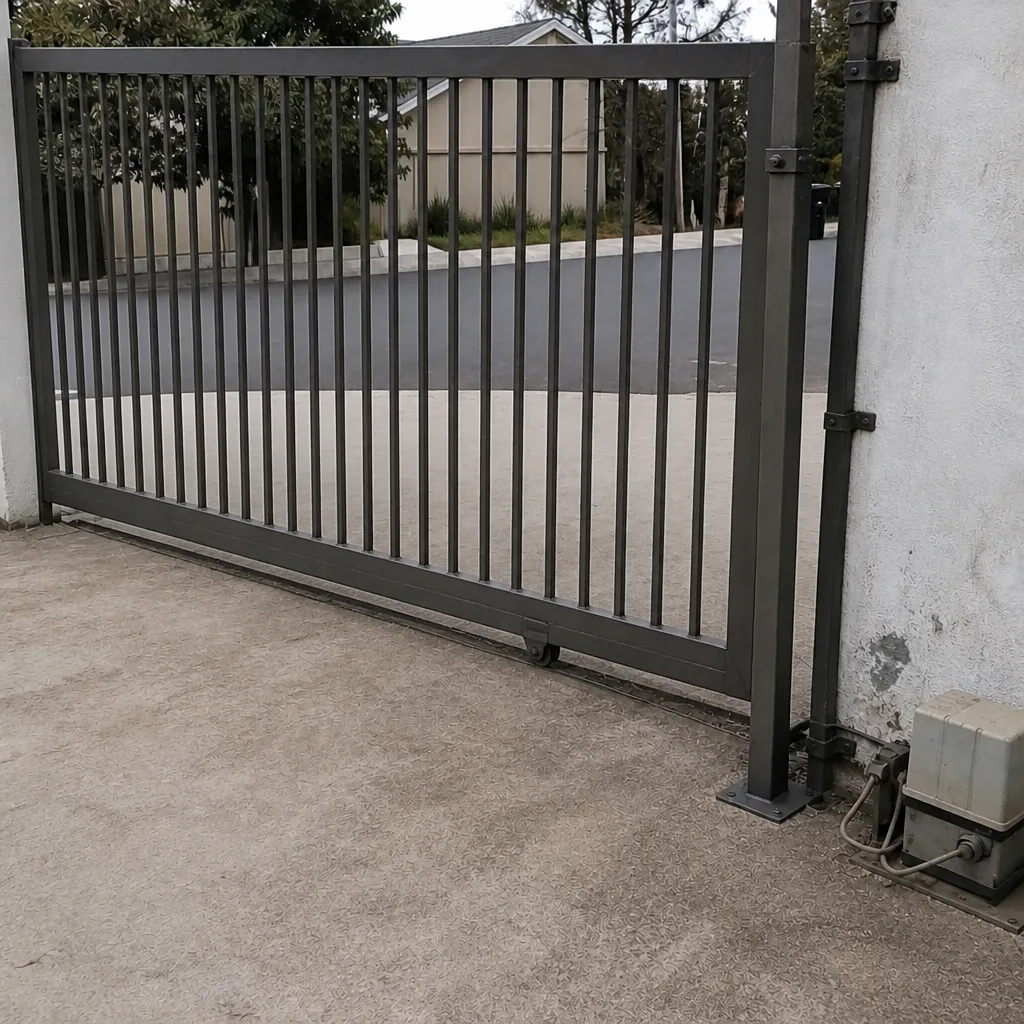 After
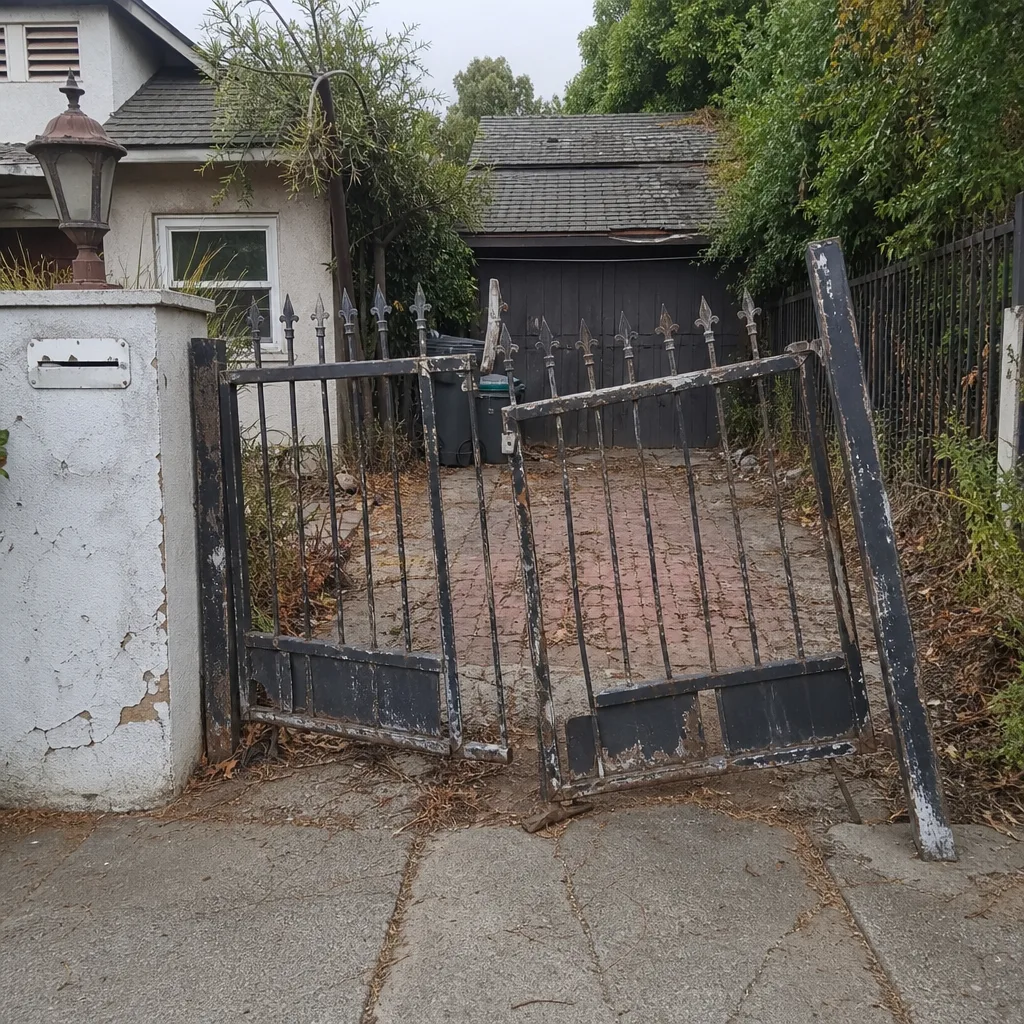 Before
 After
 Before
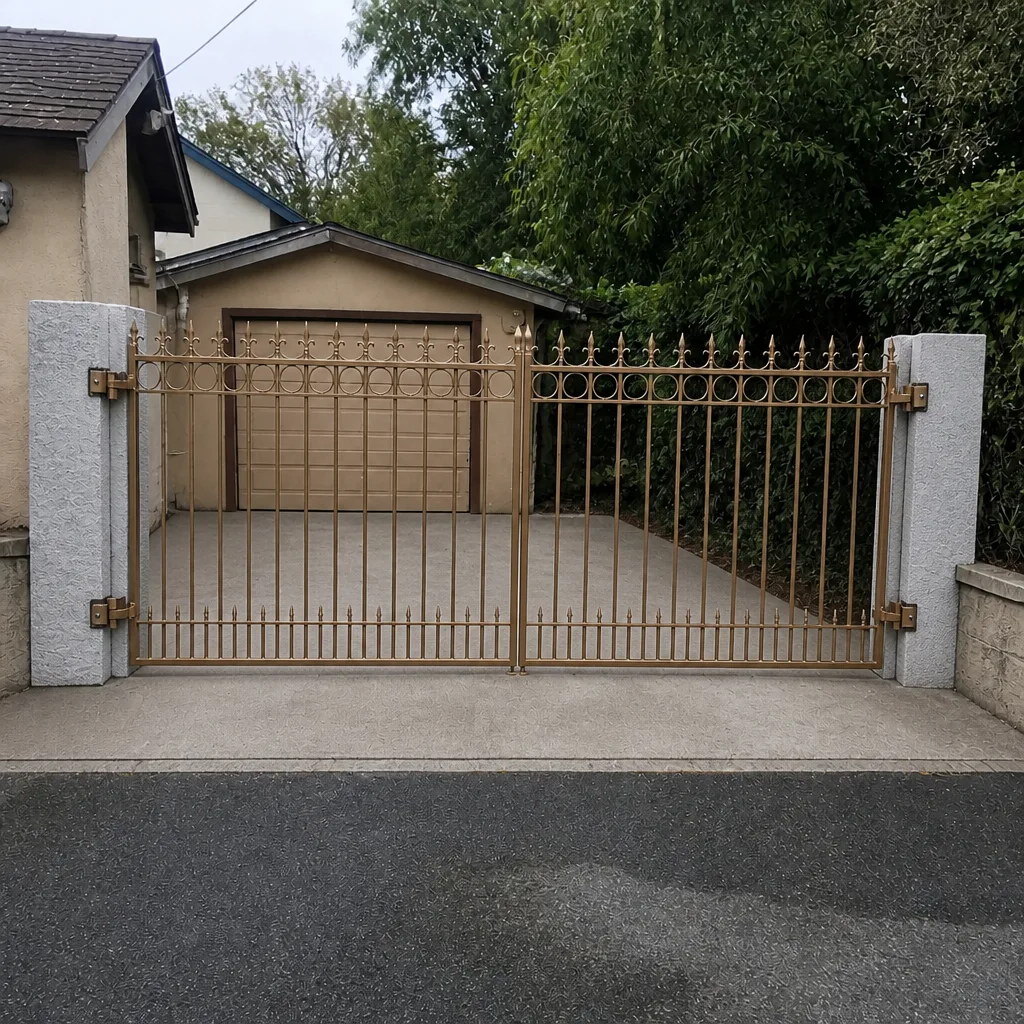 After
Frequently Asked Questions
The most common warning signs are grinding or clicking sounds, hesitation when starting or reversing, a gate that moves slower than it used to, visible sag or post lean, and keypads or intercoms that work intermittently. Each of these maps to a specific component: grinding to gears or racks, clicking to control boards, sag to hinges, and intermittent access control to board relays or wiring.
Mechanical problems are consistent and progressive, with physical resistance, grinding, or squealing on every cycle. Electrical problems are intermittent and inconsistent, with humming without movement, random reversals, and flickering operator lights. Disconnect the operator and push the gate by hand: if it moves freely, the problem is electrical. If it resists, it’s mechanical.
A gate that hums but doesn’t move usually means a failing capacitor in the motor. The motor is receiving power and trying to start, but the capacitor can’t deliver the start-up voltage it needs. On LiftMaster and Mighty Mule operators, this is a common failure mode, and it needs same-week service before the motor won’t start at all.
Yes. A sagging gate forces the operator to lift against gravity on every cycle, which strains the motor, the drive gear, and the internal gears. Over time, the operator burns out from doing work it was never designed to do. Fixing the hinges or post first protects the operator and costs less than replacing both.
Random opening or reversing usually points to a failing loop detector, a control board receiving phantom signals, or a misaligned safety beam. The gate thinks it’s detected an obstruction or a signal that isn’t there. This is an electrical issue that needs diagnosis before it leaves your driveway stuck open.
Use the 48-hour rule. Grinding, skipping, post lean, and electrical stuttering need same-week service because they indicate components close to failure. Slower movement, intermittent access control, and paint flaking at welds can wait a week or two. A gate that’s already making new sounds gets worse with every cycle you run it. Call (855) 490-6590 for an exact diagnosis. Estimates are free, and the price is set by the written estimate before any work starts.
The Bottom Line
Gates don’t fail without warning. They telegraph every failure through sound, movement, and visual changes. The skill is in reading those signals before the failure event, and this guide gives you the map: the seven sounds, the electrical versus mechanical distinction, the visual checks on welds, hinges, and posts, and the access-control symptoms that point back to the board. Highland Park’s dry climate and clay soil create specific stresses on gates, and a homeowner who checks their posts and welds twice a year will catch most problems early. When a warning sign appears, act on it. Call (855) 490-6590 and describe what you’re seeing and hearing. We answer 24/7. Fast dispatch from 7am to 7pm, Sunday through Friday.
Written by the team at Highland Park‘s Sentinel Gate Repair, serving Highland Park since 2016.