
Last updated November 4, 2026
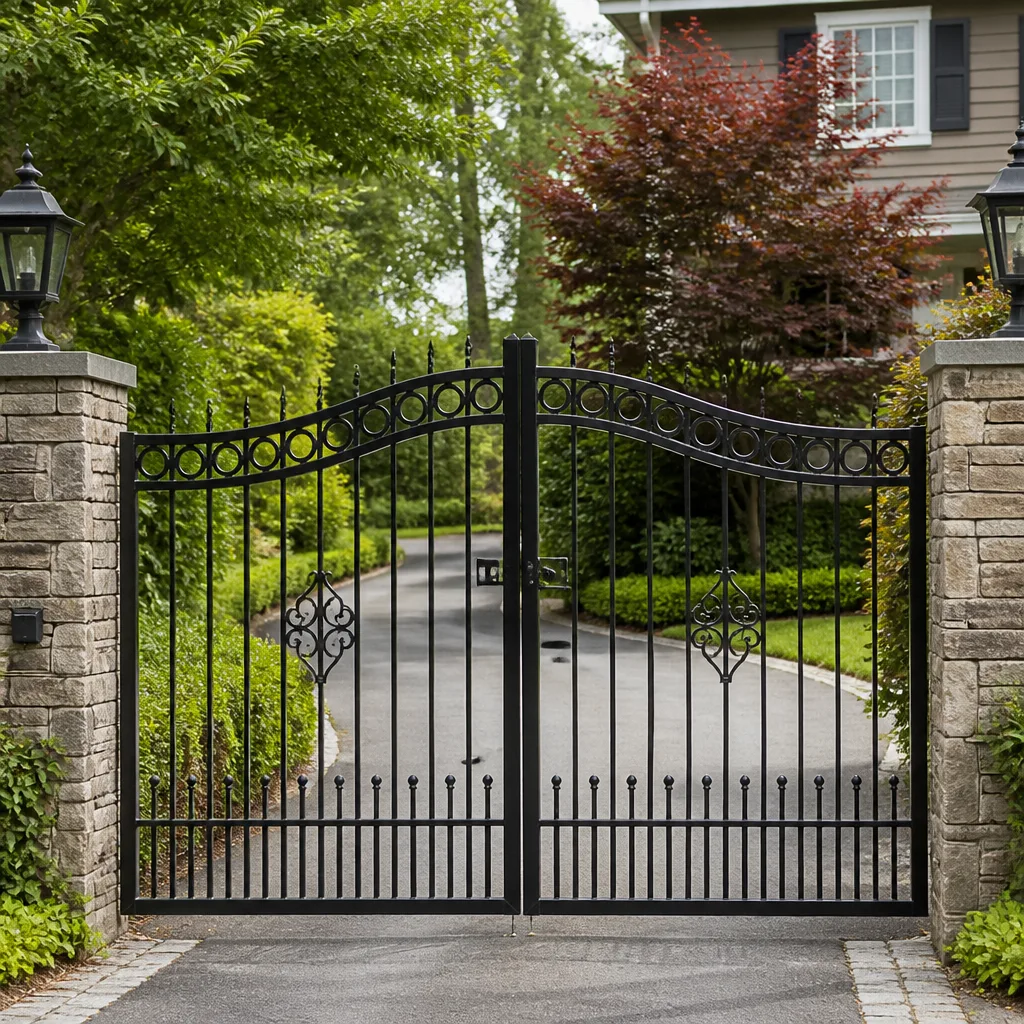 Wrought iron
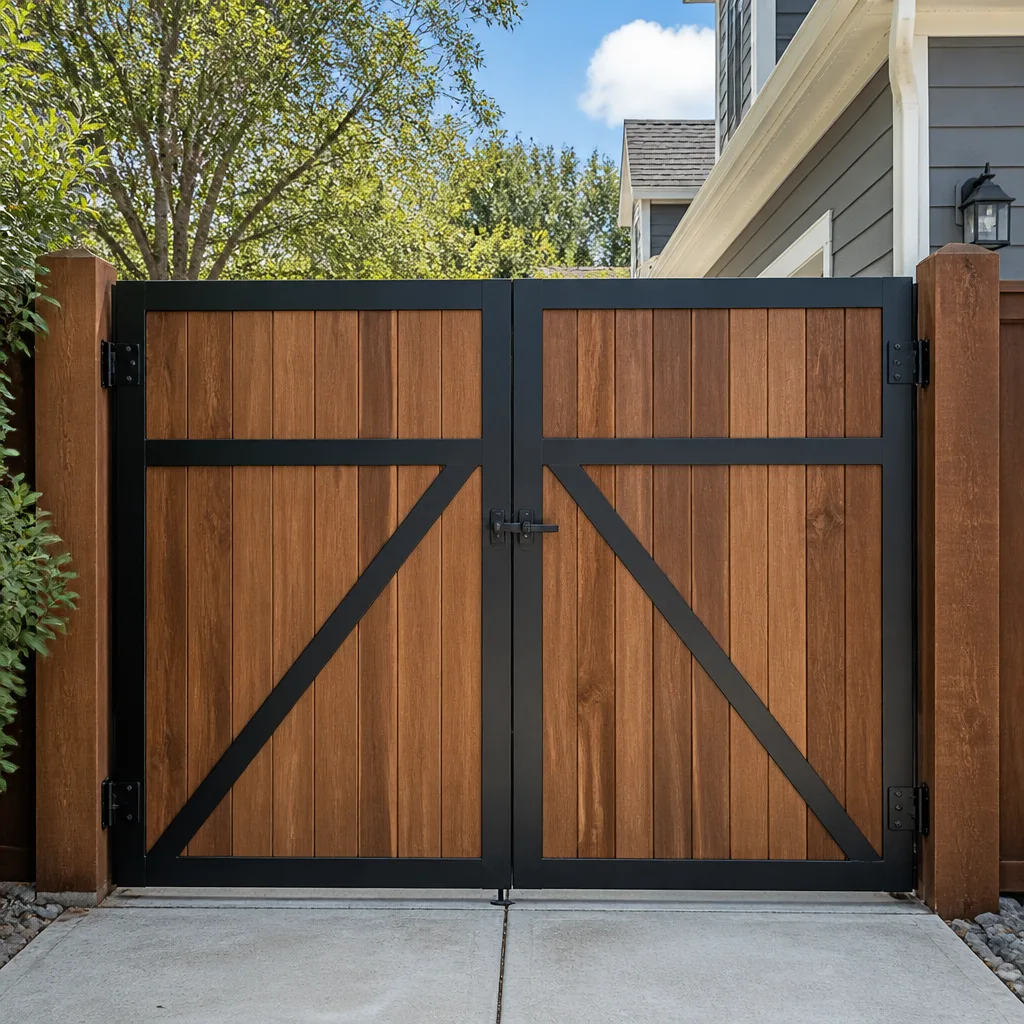 Wood & steel frame
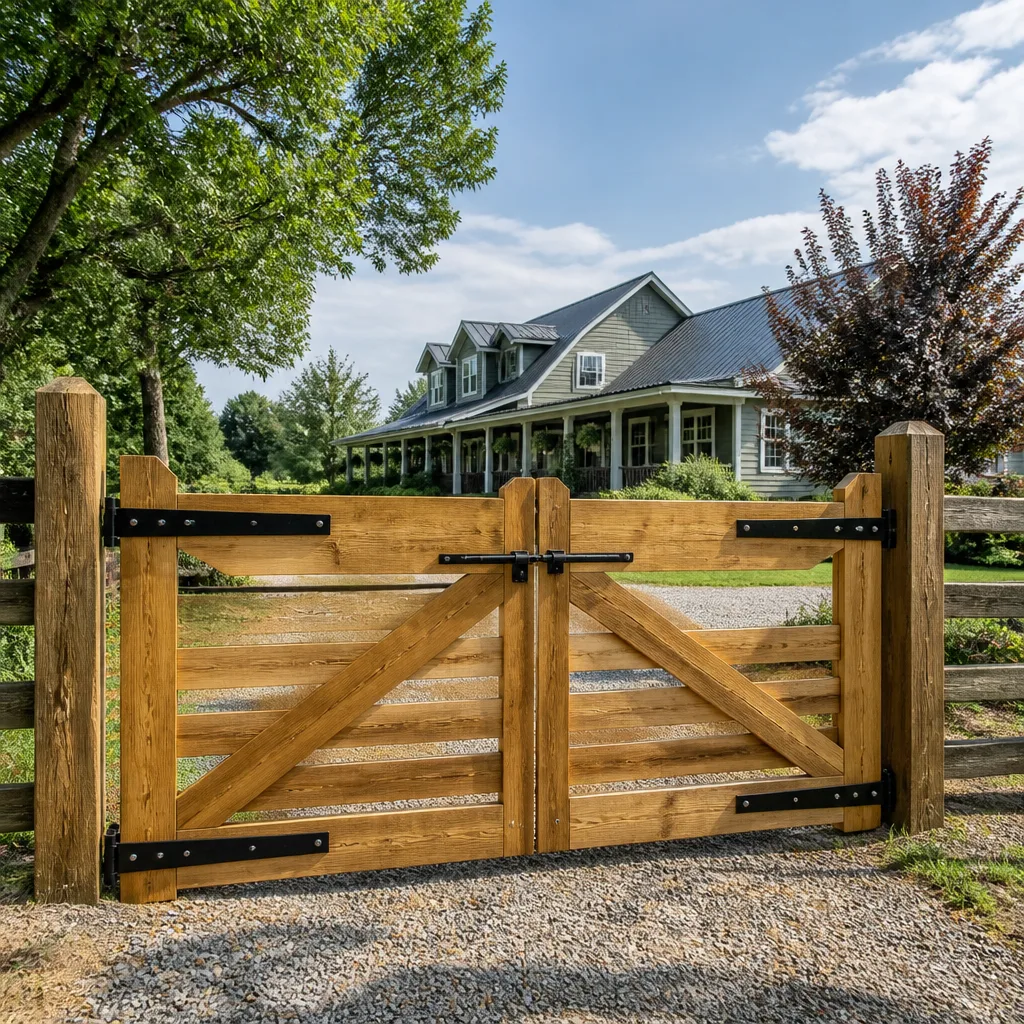 Farm & ranch
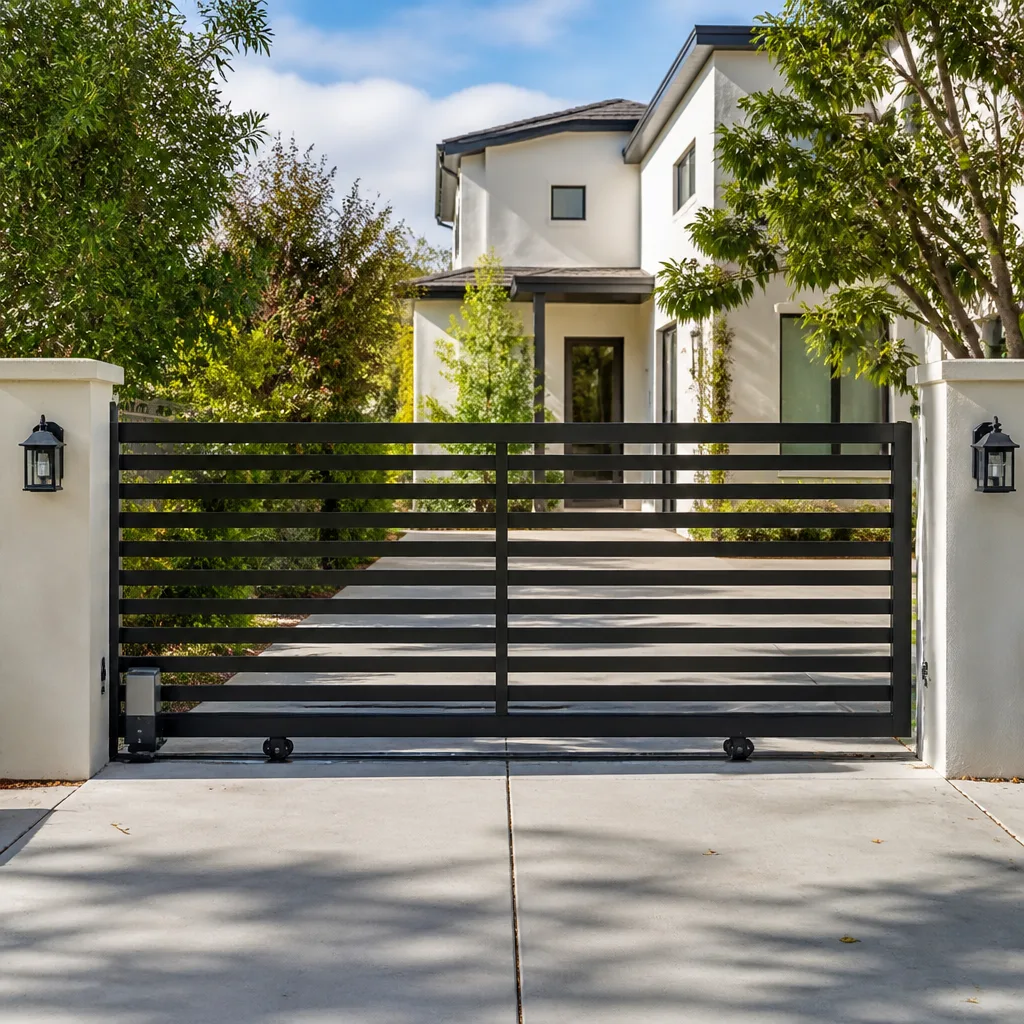 Sliding driveway gates
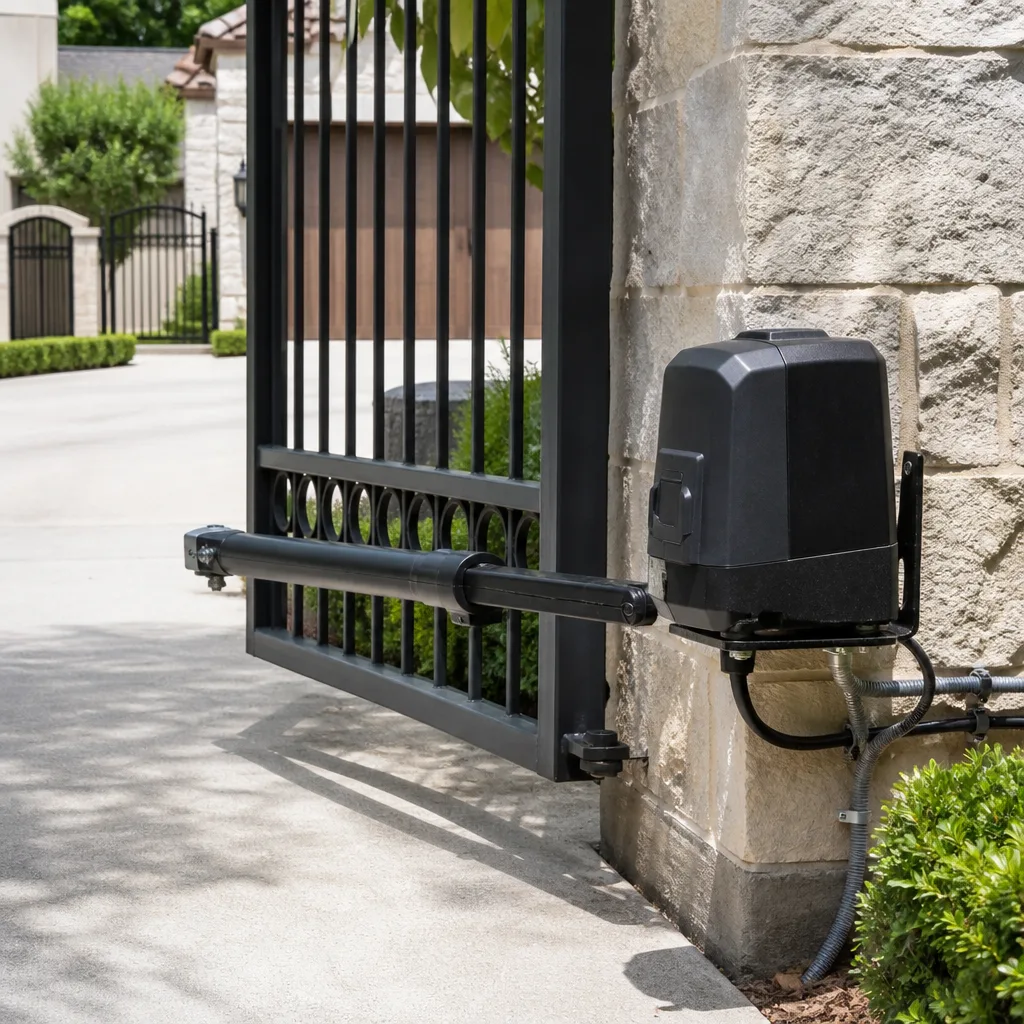 LiftMaster operators
Free on-site gate assessment - hinges, posts, and your LiftMaster or Nice gate operator checked before anything is quoted
The assessment is free and the quote is the invoice.
Get your free estimateSeasonal Gate Repair Care for Highland Park: Year-Round Homeowner’s Guide
Most seasonal gate maintenance guides are written for places with real winters, and they fall apart the moment you apply them to Highland Park. We don’t deal with snow load or ice heave here. What we deal with is a different failure pattern entirely: dry summer heat that expands steel tracks until a sliding gate binds, marine-layer condensation that drips into operator enclosures from October through March, and rain-to-drought soil cycling that quietly shifts gate posts out of alignment year over year. This guide maps that actual pattern, month by month, so you can address what actually breaks gates in Highland Park, rather than what a generic national checklist warns about.
Quick Answer
Seasonal gate care in Highland Park means checking track clearance and operator enclosure seals before summer heat arrives, sealing control boards and photo-eye lenses before marine-layer season, and inspecting post footings and drainage after winter rain events. The single most important task is sealing the operator enclosure in September or October, because condensation from the marine layer is the leading cause of control board failure we see in this area. A fifteen-minute seasonal check four times a year prevents most of the gate failures that turn into emergency calls.
Styles & brands we work with
- Wrought iron
- Wood & steel frame
- Farm & ranch
- Sliding driveway gates
- LiftMaster operators
Table of Contents
- Summer Protocol: Thermal Expansion and Track Binding
- Fall Protocol: Sealing Enclosures Before Marine-Layer Season
- Winter Protocol: Rain, Drainage, and Underground Conduit
- Spring Protocol: Post-Rain Footing and Alignment Checks
- Month-by-Month Task Calendar for Highland Park
- Common Mistakes to Avoid
- When to Call a Professional
- Frequently Asked Questions
Summer Protocol: Thermal Expansion and Track Binding
Highland Park summers routinely push into the high 90s, and a steel gate sitting in direct sun all afternoon will absorb enough heat to measurably expand. A sliding gate that glided smoothly in April can start dragging, scraping, or stopping mid-travel by July. This isn’t a motor problem in most cases, it’s a clearance problem. The gate leaf itself expands lengthwise, and the track or rollers expand as well, eating up the small gap that allowed smooth movement in cooler weather.
Here’s what to check when a gate that worked fine in spring starts binding in July heat:
- Watch the gate move, then stop it. Stand to the side, away from the travel path, and run the gate. If it slows or labors at a specific point in its travel, mark that spot. The binding point tells you where the heat is being absorbed most aggressively.
- Check track clearance at the hottest point of the day. Run the gate at 3pm, not 8am. What works in cool morning air may bind at peak heat. If the gate only drags in the afternoon, thermal expansion is your culprit.
- Look for scrape marks on the track and gate leaf. Fresh, bright metal where the gate contacts the track tells you exactly where expansion is creating interference. Old scrape marks mean this has been happening for seasons.
- Check roller and wheel condition. A roller that was marginal in spring will fail outright when the track expands and pinches it. Listen for grinding, squealing, or a rhythmic thump as the gate travels.
- Don’t crank the limit switches to compensate. Adjusting the open and close limits so the gate “works around” the binding point masks the problem and puts strain on the operator. The fix is restoring proper clearance, not programming around it.
This is also the season to check gate hinges on swing gates. The same thermal expansion that elongates a sliding gate leaf can cause a swing gate to sag slightly, which throws the latch out of alignment and makes the gate catch on its strike plate. A gate that needs a shoulder to close properly in August is a gate that’s already moved out of true.
Fall Protocol: Sealing Enclosures Before Marine-Layer Season
Highland Park sits far enough inland that the marine layer is a seasonal guest, not a permanent resident. But from roughly October through March, morning fog and overnight condensation roll through regularly enough to matter. A gate operator enclosure that has been dry all summer starts collecting interior moisture in fall. Condensation forms on the inside of the housing, drips onto control boards, and corrodes low-voltage connections over weeks or months.
The failure pattern is deceptive. A control board that gets wet doesn’t usually die immediately. It degrades. First the gate acts intermittently, or the remote range shrinks, or the keypad stops accepting input on damp mornings. Then one morning it simply doesn’t respond. By the time the symptom is obvious, the board has been deteriorating for weeks.
Here’s the fall protocol we recommend for Highland Park gates:
- Open the operator enclosure and look inside. Disconnect power at the breaker before opening any enclosure. Look for water staining, rust on terminal screws, white corrosion on connectors, or a musty smell. Any of these means moisture has already been getting in.
- Check the enclosure gasket. The rubber or foam seal around the enclosure door is the first line of defense against condensation. If it’s cracked, flattened, or missing sections, replace it before the wet months arrive.
- Verify the weep hole or drain hole is clear. Many enclosures have a small drain at the bottom for exactly this reason. If it’s clogged with dust or insect debris, moisture pools inside instead of draining.
- Inspect photo-eye lenses. The small lenses on safety photo-eyes collect dust, spider webs, and the fine grime that the marine layer leaves behind. Clean them with a dry cloth and confirm the eyes still align. A photo-eye that’s marginally aligned in dry weather will trip constantly when moisture scatters the beam.
- Tighten wire terminations. Heating and cooling cycles loosen screw terminals over time. A loose terminal in October becomes an intermittent fault in January. Tighten every connection you can reach, but leave anything inside a sealed control board alone unless you know what you’re working with.
If you have a Ghost Controls, DoorKing, Elite, or Mighty Mule system, the same enclosure-sealing logic applies. The specific board layouts differ, and some enclosures seal better than others out of the box, but condensation doesn’t care what brand name is on the housing. Water finds the gap. October is the month to find it first.
Winter Protocol: Rain, Drainage, and Underground Conduit
Highland Park doesn’t get a rainy season in the way the Pacific Northwest does, but when the atmospheric rivers line up, they deliver bursts of heavy rain that can drop an inch in a few hours. That intermittent, high-intensity rain is actually harder on gate infrastructure than steady drizzle would be. The soil saturates quickly, runoff pools in low spots, and water finds its way into places that stayed dry through the previous eight months.
Three specific failure points deserve attention during the winter months:
Gate drainage. If the gate track sits in a low spot, or if the ground around the gate post slopes toward the footing, rainwater pools there. A sliding gate track partially submerged in standing water will carry grit and silt into the rollers, accelerating wear. Worse, if the track is in a low spot where water sits for hours after a storm, the post footing never fully dries, and the soil around it never fully firms back up.
Post footings. A gate post set in concrete depends on the surrounding soil staying put. When heavy rain saturates the soil and then weeks of dry weather bake it back to hardpan, the soil expands and contracts. This is the rain-to-drought cycling that shifts gate posts incrementally in Highland Park. A post that moved a quarter-inch in one winter won’t be obvious, but across three or four winters, the gate is visibly out of alignment, sagging, or catching the latch on the wrong side of the strike plate.
Underground wiring conduit. Electric gate operators get power and low-voltage control wiring through conduit that runs underground. If that conduit has a crack, a separated joint, or a spot where sunlight has degraded the PVC above ground, winter rain infiltrates. Water in conduit is a chronic problem because it never really dries out. The wiring sits in moisture indefinitely, and the operator sees voltage drop, intermittent faults, and in worst cases, a short that trips the breaker every time the gate tries to open.
During winter, after any heavy rain, walk the area around your gate. Look for standing water near the track or posts. Look for new erosion, exposed wiring, or soil that has visibly settled around the gate post. Small problems flagged in January are cheap. The same problems ignored until April are full repair jobs.
Spring Protocol: Post-Rain Footing and Alignment Checks
Spring in Highland Park is the accounting season for gate owners. Everything the winter soil movement did is now visible, and the gate tells you where it hurts. The most common post-winter complaint we hear is some version of “the gate worked fine last fall and now it won’t close all the way.” What changed isn’t the gate. The ground moved.
Here’s the spring inspection sequence we recommend:
- Check the closed position visually. Stand back and look at the gate in its closed position. Is the gap at the bottom even from end to end? Is the gate sitting level? A visible tilt means the hinge-side or latch-side post has moved.
- Measure the gap at the top, middle, and bottom of the latch side. A swing gate that reveals different gaps at different heights has sagged. The fix is either hinge adjustment, post re-shimming, or in severe cases, re-setting the post.
- Run the gate through three full cycles. Watch for hesitation, grinding, or a change in speed. A gate that was smooth all winter and is now rough probably picked up dirt in the track or roller bearings. A gate that still runs smoothly but sits visibly lower has a footing problem, not a motor problem.
- Inspect concrete around post bases. Look for new cracks in the concrete collar at the base of the post, or a visible gap between concrete and soil. Gaps mean water has been eroding the soil under the footing, and the post is slowly losing support.
- Check the operator’s force settings. If the gate has been straining against a misaligned track or a sagging hinge all winter, the operator has been working harder than it was designed to. A force setting that’s been cranked to maximum to compensate for mechanical binding will eventually burn out the motor. If your gate needs full force to move, the problem is mechanical, not electrical. Fix the gate before the operator pays for it.
Soil heave is uneven by nature. One post may move more than the other, or the moving post may tilt instead of sinking straight down. The result is a gate that binds at one point, drags across the ground at another, and closes with effort at the latch. None of these are problems the operator should be asked to solve with more force.
Month-by-Month Task Calendar for Highland Park
This calendar assumes a typical Highland Park year: hot, dry summers, marine-layer moisture from fall through early spring, and intermittent heavy rain events in the winter months. It’s not a national template, and it deliberately skips the winterization steps that matter in colder climates but are irrelevant here.
January
After any heavy rain, check for standing water near the track and post footings. Clear debris from the track that rainwater carried in. If the operator is acting up on damp mornings, inspect the enclosure for condensation and check wire terminations for corrosion.
February
Continue marine-layer vigilance. This is the wettest month in many years. Clean photo-eye lenses, verify the safety reverse function works, and watch for new erosion around the post bases. If the gate drags after rain, the footing soil may be saturated.
March
Run the full spring inspection: check closed-position level, measure the latch-side gap at three heights, run three full cycles. Look for new concrete cracks at post bases. This is the month to catch winter soil movement before summer heat compounds it.
April
Check track alignment and roller condition before heat arrives. Clean the entire track thoroughly. A sliding gate that’s already binding in April will bind much worse in July. Adjust hinges on swing gates that are sagging even slightly.
May
Test the operator in full sun at mid-afternoon. This is the first month when thermal expansion becomes noticeable. If the gate labors in afternoon heat but is fine in the morning, schedule a track clearance adjustment before the hottest months.
June
Inspect the gate surface and touch up any bare metal or chipped paint. The combination of dry heat and UV exposure accelerates rust on exposed steel. A few minutes with touch-up paint now saves a steel gate from pitting later.
July
Peak thermal stress. Watch the gate at 3pm on a hot day. If it scrapes, grinds, or trips its safety reverse, the track or hinge clearance needs attention. Don’t compensate with limit adjustments; restore proper clearance instead.
August
Check operator cooling. A motor that’s been working against a binding gate all summer may be running hot. Listen for a change in motor tone, and check whether the operator is shutting itself off on thermal overload. This is the month when heat-stressed motors fail.
September
Start the fall enclosure protocol. Open the operator housing, inspect the gasket, clear the drain hole, and tighten terminal screws. The first marine-layer mornings arrive this month in some years. Being sealed before they arrive is better than reacting after the board gets wet.
October
Complete any enclosure sealing that didn’t happen in September. Clean photo-eye lenses thoroughly. Check the battery backup if your operator has one, since a backup battery that has failed silently will reveal itself during the first power outage of the wet season.
November
First heavy rain check. After a significant storm, walk the gate area looking for standing water, erosion, and new soil settlement. Confirm the underground conduit is still buried, not exposed. A wet November is the best early warning you’ll get for what the rest of the winter will bring.
December
End-of-year comprehensive check. Run the gate through full cycles at morning, noon, and evening. Verify all safety features function: photo-eyes, safety reverse, manual release. If you do one thorough inspection per year, December after the rains begin is a sound choice. Anything you find in December can be fixed before the worst of the marine-layer season hits in January and February.
Common Mistakes to Avoid
- Skipping gate prep because Highland Park has no frost. The marine layer does to electronics what frost does to pipes. A homeowner who assumes mild winters mean no winter damage is the homeowner who calls about a dead control board in February.
- Adjusting limit switches to work around a binding gate. When a gate binds in summer heat, the temptation is to shorten the travel so it stops before the binding point. This masks the problem, puts extra load on the operator, and eventually costs more than the track adjustment would have.
- Ignoring morning condensation on the control board. A board that gets damp every night for three months is a board on borrowed time. By the time the gate stops responding, the corrosion has usually reached the point of replacement, not repair.
- Assuming a sagging gate is just an aesthetic issue. A gate that sags a half-inch puts angular force on the hinges, the latch, and the operator. What looks like a cosmetic problem is actually accelerated mechanical wear across the system.
- Waiting until the gate fails to find a gate specialist. Many Highland Park homeowners call a general handyman for a gate issue first, get a partial fix, and only then call a dedicated Sentinel Gate Repair specialist. The handyman visit often costs as much as getting it diagnosed correctly the first time.
- Pressure-washing the gate or operator without sealing the enclosure. A pressure washer aimed at the operator housing forces water past gaskets and into the control board. If the gate is being washed, the enclosure needs to be sealed or avoided entirely.
- Ignoring standing water at the track. A track that sits in water after every storm will accumulate silt and grit with each cycle. The result is accelerated roller wear and a track that grinds instead of glides. Drainage fixes are simple compared to track replacement.
When to Call a Professional
Some gate tasks are seasonal maintenance you can do with basic tools and attention. Others mean a specialist visit. Call a pro when the gate has sagged visibly and won’t latch. Call when the operator trips its own breaker or the gate stops mid-cycle and reverses for no clear reason. Call when you see corrosion inside the control enclosure, or when the gate is making a sound it didn’t make last season. Call when the track shows scrape marks, when a post has moved, or when any wiring shows exposed copper or cracked insulation. These are failures with safety and security implications, and a misdiagnosis often costs the same as the correct fix would have. Sentinel Gate Repair offers free estimates in Highland Park for gate repair and electric gate repair. Call (855) 490-6590 and tell us what the gate is doing. We answer 24/7. Fast dispatch from 7am to 7pm, Sunday through Friday.
Frequently Asked Questions
A seasonal inspection and adjustment visit in Highland Park typically falls between $150 and $400, depending on what we find and what the gate needs. Track cleaning and alignment, hinge tightening, and enclosure sealing are on the lower end. Replacing a degraded gasket, re-terminating corroded wires, or re-shimming a gate that has sagged adds to the total. The written estimate sets the final price before any work starts, and the estimate itself is free. Call (855) 490-6590 for a quote specific to your gate, your operator brand, and what the seasonal check finds.
Yes, and this is one of the most common calls we get in Highland Park during the wet months. Most post-rain failures are either moisture inside the operator enclosure, a tripped GFCI, or water in the underground conduit. We diagnose the actual cause on the first visit rather than resetting everything and hoping. Call (855) 490-6590 and describe what happened. We answer 24/7.
We do. Our technicians train on nine major gate brands, including Ghost Controls, DoorKing, Elite, and Mighty Mule. That means the technician who arrives already knows where the terminals are, how the board is laid out, and what the common failure modes are for your specific system. You get a diagnosis, not a learning curve.
Four seasonal checks per year is the right rhythm for Highland Park’s microclimate. Summer checks catch thermal expansion before it becomes track damage. Fall checks seal the enclosure before marine-layer condensation gets inside. Winter checks catch drainage and conduit problems during the rain events. Spring checks account for post-footing movement from the wet-to-dry soil cycle. A gate that gets four careful inspections a year rarely surprises its owner.
Sealing an operator enclosure means checking the door gasket, clearing the bottom drain hole, tightening terminal screws, and confirming that the enclosure still closes tightly against its housing. On many DoorKing and Elite operators, the gasket is replaceable and inexpensive. On some Ghost Controls and Mighty Mule units, the enclosure design relies on a tight door fit rather than a rubber seal, and the drain hole becomes the key moisture defense. We check whatever system you have and recommend the right fix.
That pattern points directly to thermal expansion. The gate leaf and track both expand in Highland Park’s summer heat, eating up the clearance gap that existed in cooler months. The fix is a track and clearance adjustment, not a motor replacement or a limit switch change. If your gate only scrapes in the afternoon on hot days, you have a clearance problem that will get worse every summer until it’s corrected. Call (855) 490-6590 and we’ll measure the clearance and tell you exactly where it’s too tight.
The Bottom Line
Highland Park gate care is seasonal, but not in the way most guides assume. Your gate’s biggest threats are summer heat expansion, marine-layer condensation, and the soil movement that follows winter rain events. Four checks per year, timed to those threats, catch problems at the maintenance stage instead of the emergency stage. The tasks themselves are not complicated: watch the gate, check the track, seal the enclosure, clear the drainage. But they only work if you do them in the right season. The owner who checks track clearance in April, seals the enclosure in October, and walks the footings after every big winter storm will get years of reliable service from the same gate that fails for a neighbor who waits for a symptom. If you want an expert eye on any of this, Highland Park homeowners can call Sentinel Gate Repair at (855) 490-6590 for a free estimate. We answer 24/7. Fast dispatch from 7am to 7pm, Sunday through Friday.
Written by the team at Sentinel Gate Repair, serving Highland Park since 2016.
See the difference
 Before
 After
 Before
 After
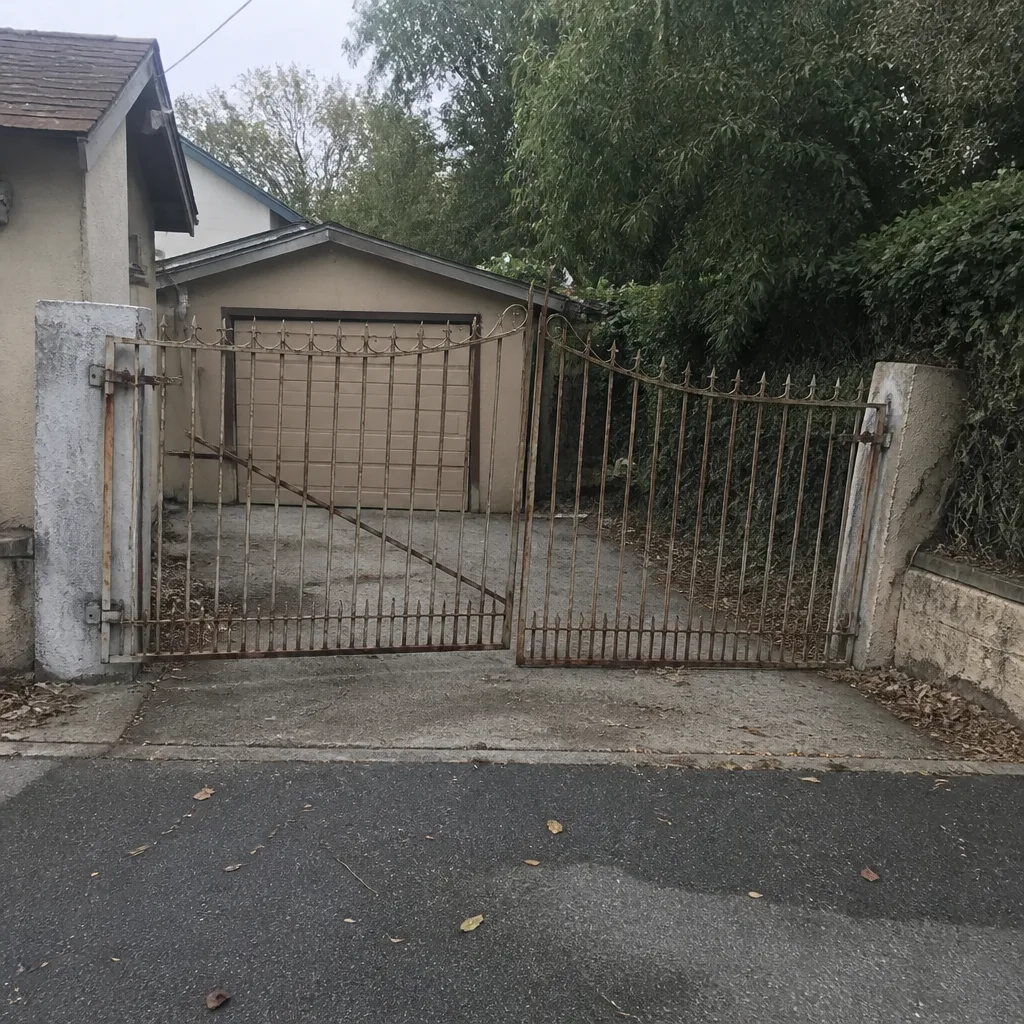 Before
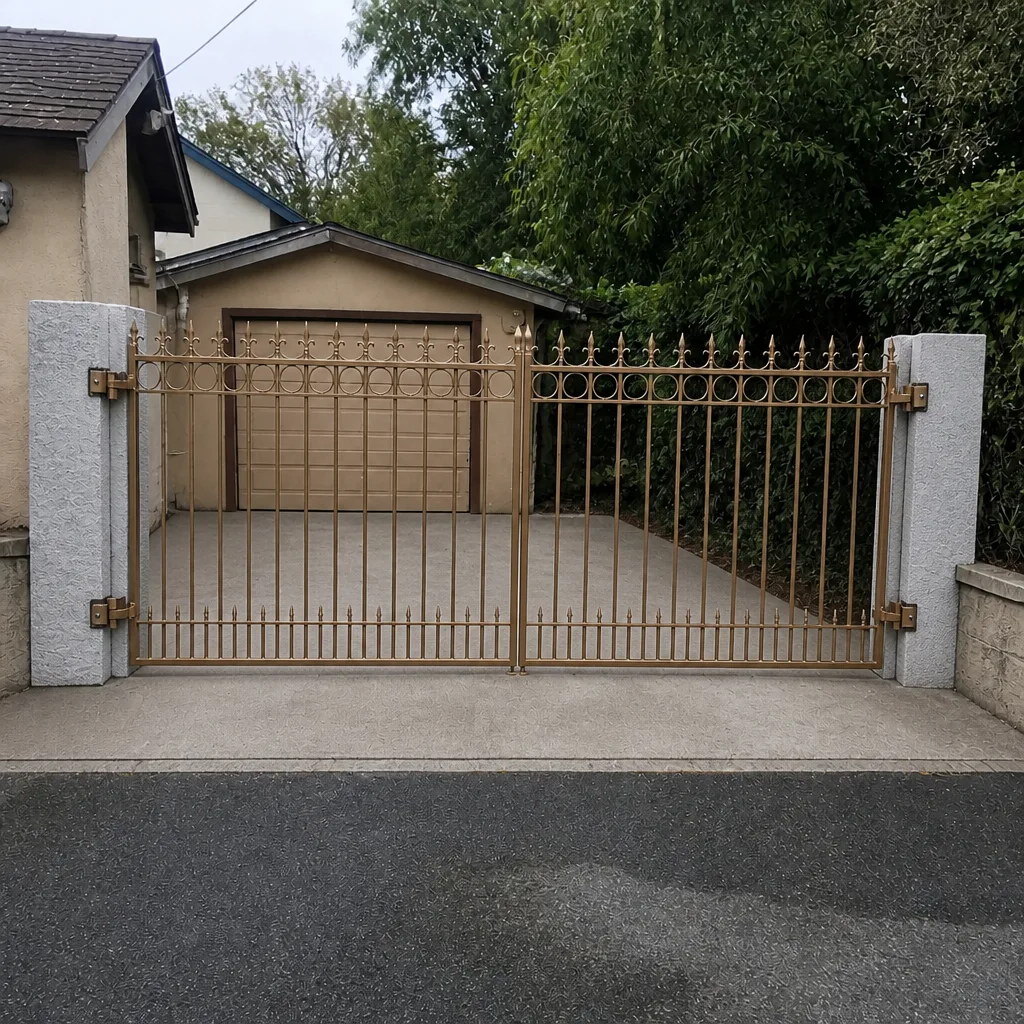 After