
Last updated November 4, 2026
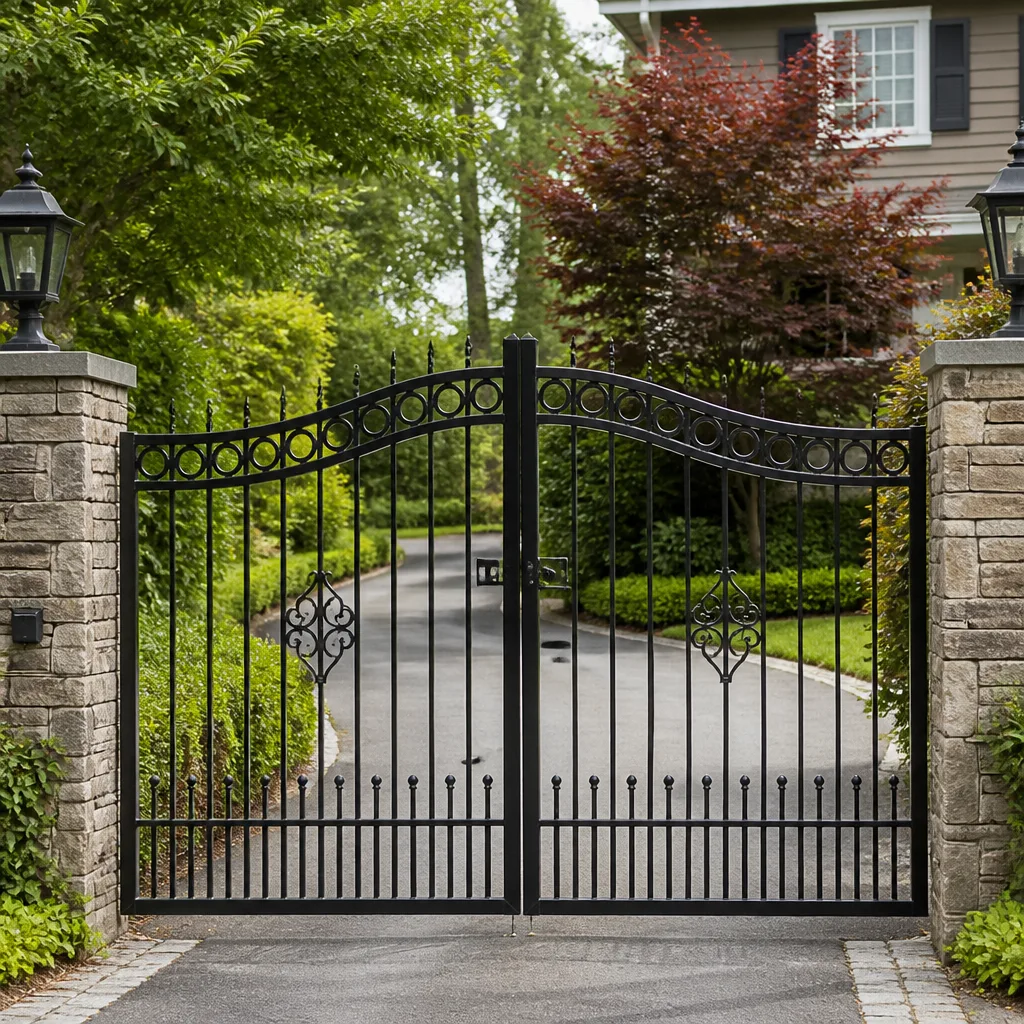 Wrought iron
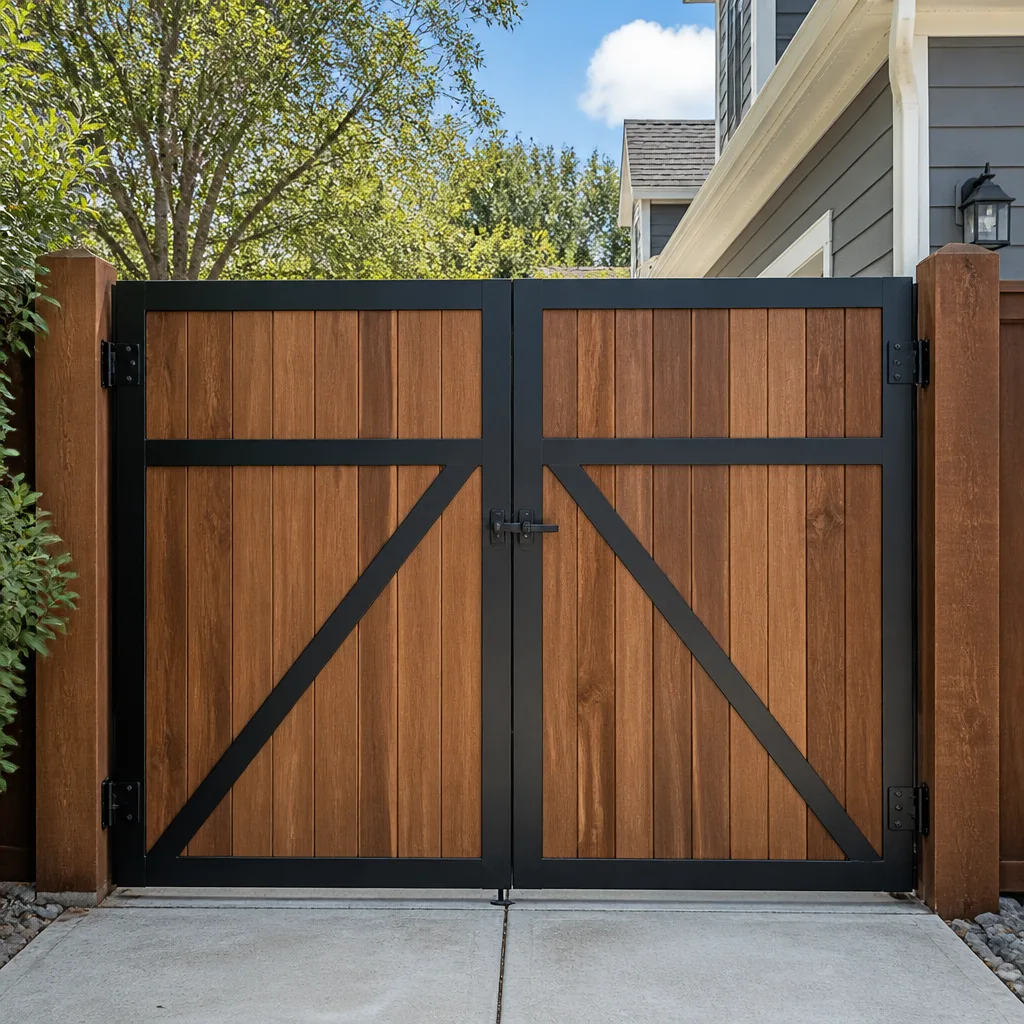 Wood & steel frame
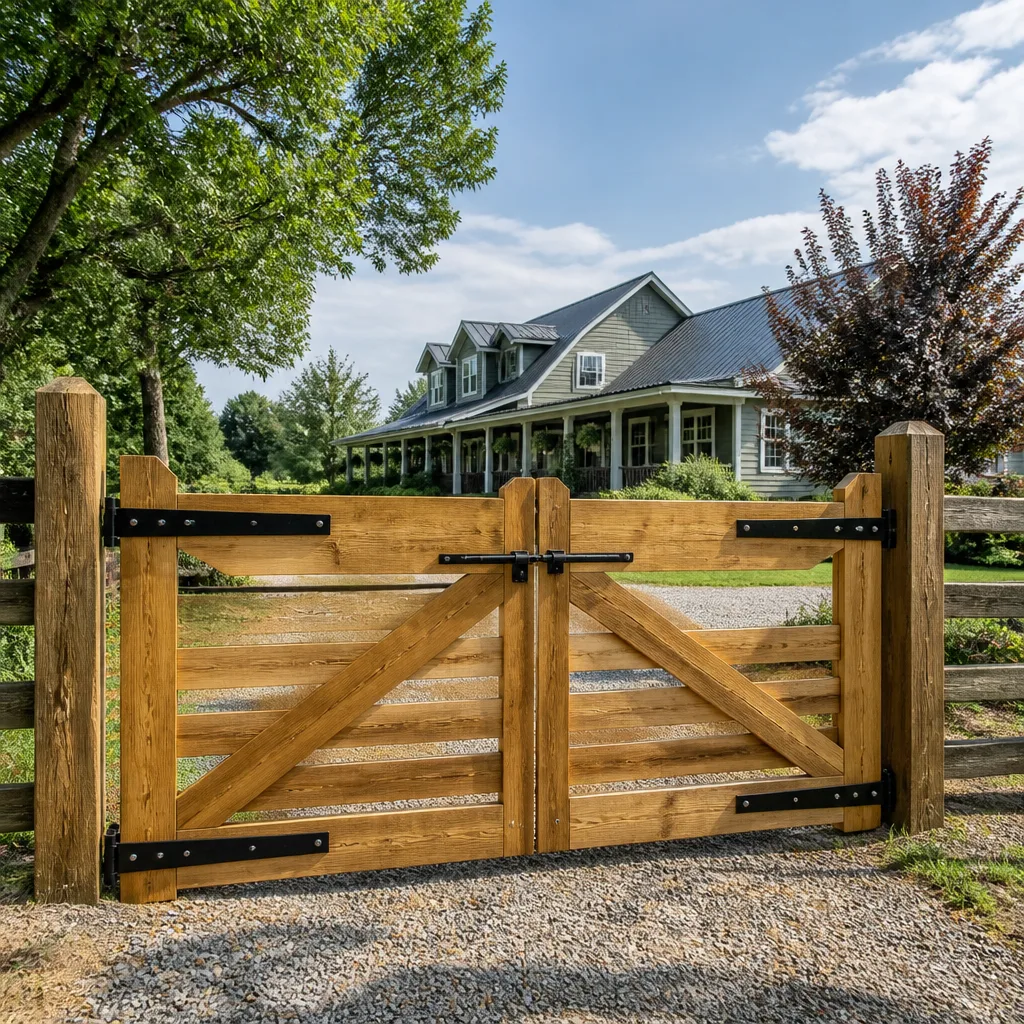 Farm & ranch
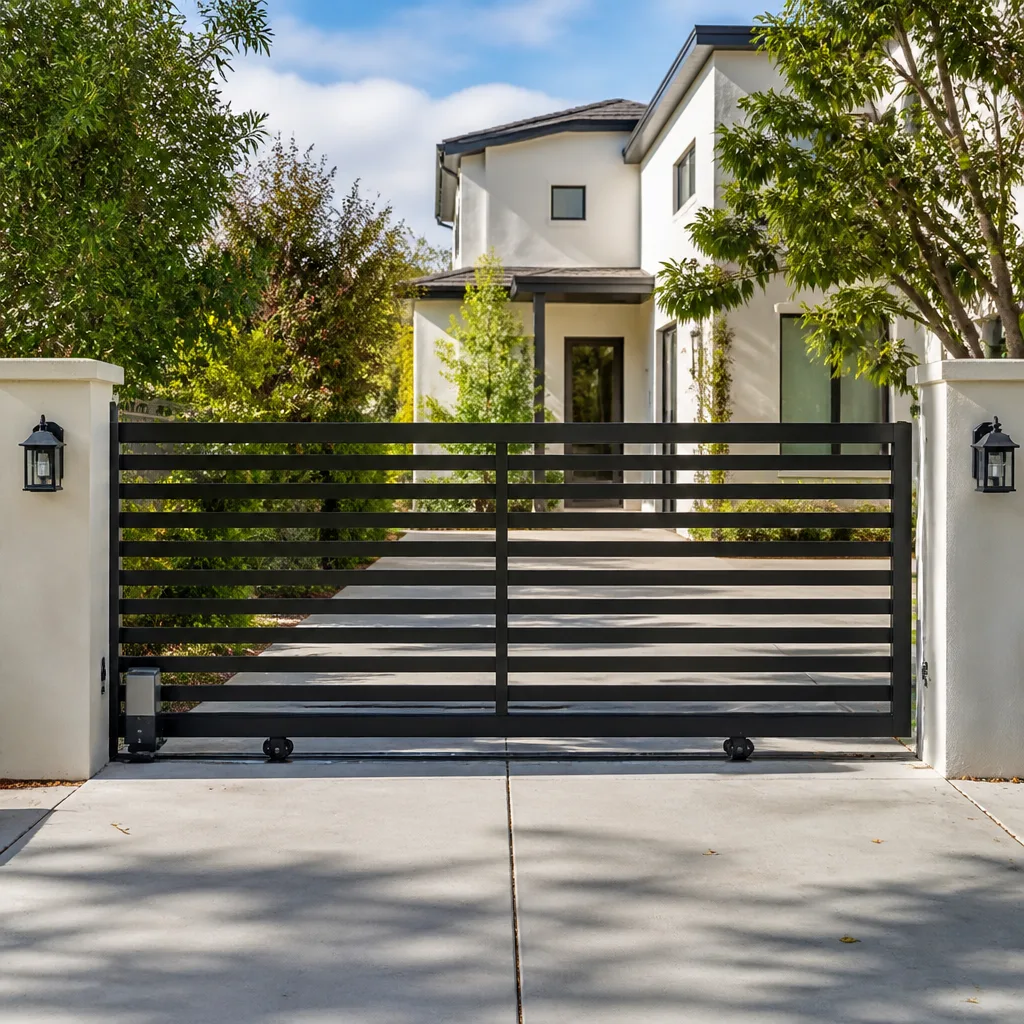 Sliding driveway gates
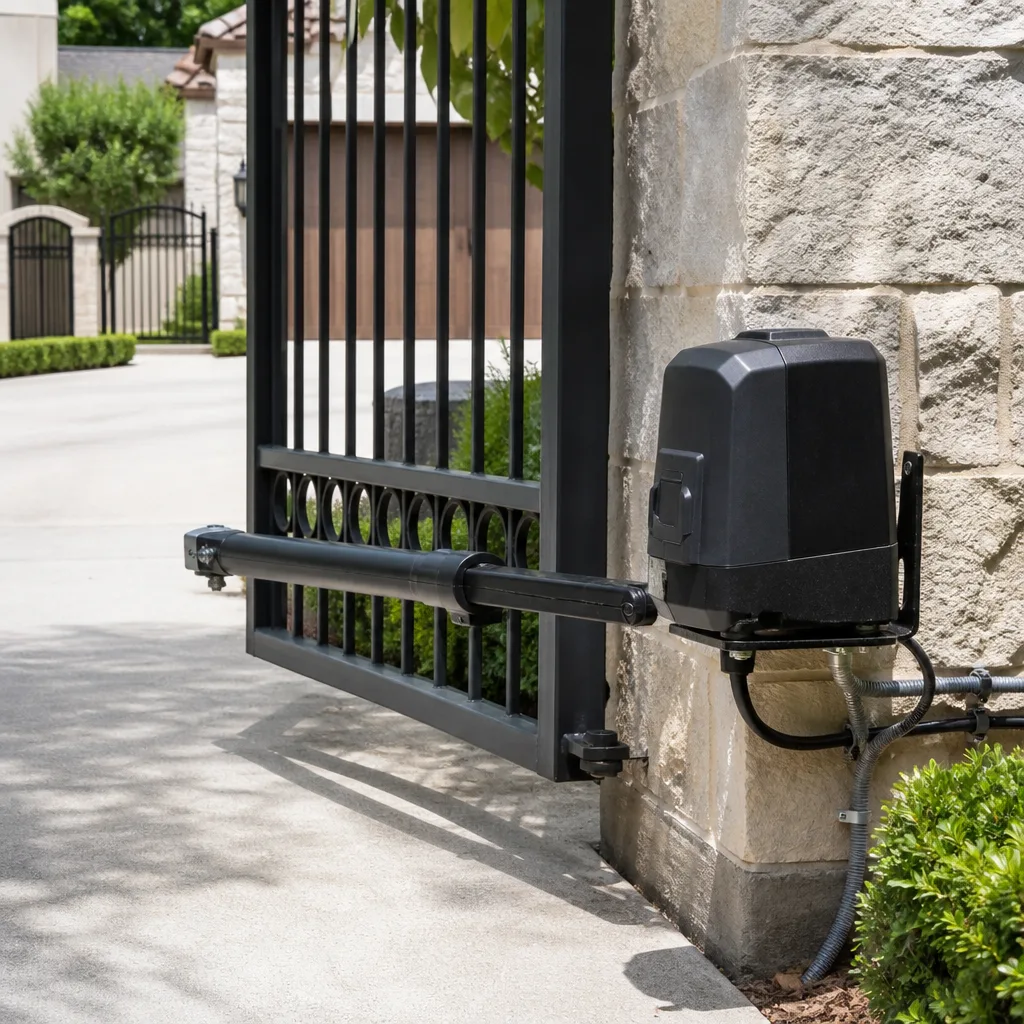 LiftMaster operators
Free on-site gate assessment - hinges, posts, and your LiftMaster or Nice gate operator checked before anything is quoted
The assessment is free and the quote is the invoice.
Get your free estimateGate Repair Permits, Codes & Inspections in Highland Park, CA: What You Need to Know
Replacing a failed gate operator sounds like a repair, but if it involves electrical work at the pedestal or a new access-control system, LA County building codes may classify it as a new installation. That distinction matters more than most homeowners realize – an unpermitted job can fail a future home inspection and delay escrow when you sell. This guide maps exactly where the permit threshold sits for gate work in Highland Park, how the local Historic Preservation Overlay Zone adds another layer, and what UL 325 compliance means when you’re repairing or replacing an automated system. We’ll walk through the repair-versus-alteration line, electrical permitting, inspection triggers, and the correction process if unpermitted work is discovered.
Quick Answer
Most routine gate repair in Highland Park – replacing a hinge, swapping a control board, adjusting a limit switch – does not require a permit. You cross into permit territory when the scope involves new electrical runs, replacing gate posts set in concrete, installing a new operator from scratch, or changing the visible character of a gate on a contributing property within the Highland Park HPOZ. When in doubt, call LA County Building and Safety or ask your gate contractor to confirm classification before work starts.
Styles & brands we work with
- Wrought iron
- Wood & steel frame
- Farm & ranch
- Sliding driveway gates
- LiftMaster operators
Table of Contents
- Repair vs. Alteration: Where the Permit Line Actually Sits
- How the Highland Park HPOZ Changes Gate Replacement Rules
- UL 325 Compliance: What It Requires for Automated Gate Operators
- Electrical Permits: When Low-Voltage Wiring Triggers a Permit
- What Happens When Unpermitted Gate Work Is Discovered
- Inspection Triggers: What Inspectors Look For During Gate Work
- Common Mistakes to Avoid
- When to Call a Professional
- Frequently Asked Questions
Repair vs. Alteration: Where the Permit Line Actually Sits
The single most important distinction in Highland Park gate work is whether the job counts as a repair or an alteration under LA County building codes. A repair restores something to its original condition without changing its function, size, or location. An alteration changes something: a new motor where none existed, a taller gate, a relocated post, a different access-control system wired into the building’s electrical panel.
Here’s the practical breakdown we use when evaluating a gate:
- Routine repair, no permit: Replacing a worn hinge, welding a cracked frame member, swapping a failed capacitor in an existing operator, adjusting a limit switch on a DoorKing or Elite arm, replacing a damaged keypad that connects to the existing wiring.
- Repair with electrical scope, permit likely: Running new conduit from the house to the gate pedestal, installing a new loop detector in the driveway, adding a new access-control panel that requires a dedicated circuit.
- New installation, permit required: Setting new gate posts in concrete, installing an operator where the gate was previously manual, building a new gate frame that changes the driveway width or height, adding a vehicle detection system that requires cutting into the asphalt or concrete.
The threshold that catches most Highland Park homeowners off guard is the electrical one. If your existing LiftMaster or Mighty Mule operator failed and you’re replacing it with a like-for-like unit using the existing conduit and wiring, the county generally treats that as a repair. But if the old system never had a proper ground, or the new operator requires a different voltage, or you’re adding a keypad and intercom at the curb, you’ve crossed into alteration territory. That’s when a licensed contractor pulls the electrical permit and schedules the inspection.
Our advice: before you approve any gate work that touches wiring or concrete, ask the contractor to state in the written estimate whether they’re classifying the job as repair or alteration. If they hesitate, get a second opinion. The classification determines whether you’ll have a permit record to show at sale.
How the Highland Park HPOZ Changes Gate Replacement Rules
Highland Park operates under one of the largest Historic Preservation Overlay Zones in Los Angeles, and it changes the rules for visible gate replacement on contributing properties. If your home is a contributing structure within the HPOZ, any change to the gate that alters its character – material, style, height, color, or ornamental detail – requires review by the Highland Park HPOZ board before you can pull a building permit.
This is not a county formality. The HPOZ review process in Highland Park looks specifically at whether the proposed gate is compatible with the historic character of the property and the streetscape. Here’s the sequence for a contributing property:
- You or your contractor documents the existing gate with photos and a written description.
- A Certificate of Appropriateness application is filed with the HPOZ board, describing the proposed replacement and why it’s compatible.
- The board reviews the application at a public hearing, typically within 30 to 60 days depending on the filing date.
- If approved, the Certificate of Appropriateness clears the path for the county building permit application for the actual construction work.
Here’s what many homeowners don’t realize: the HPOZ review applies even when the gate is being replaced because it failed, not because you wanted a style upgrade. A rotted wood gate that gets replaced with a steel frame gate of the same size and a similar profile can still trigger HPOZ review because the material changes the visible character. On a non-contributing property, the HPOZ requirements are less demanding, but the parcel-level designation still applies, so you should confirm your property’s status before assuming you’re exempt.
In our experience working in Highland Park, the HPOZ layer adds time to gate replacement projects on historic properties. Plan for it. If you’re selling a home with a gate that was replaced without HPOZ approval, the buyer’s inspector may flag it during escrow, and retroactive approval is slower than upfront approval.
UL 325 Compliance: What It Requires for Automated Gate Operators
Any automated gate operator installed or significantly serviced in Highland Park must comply with UL 325, the national safety standard for automated gate systems. The standard exists because automated gates are powerful machines: a slide gate moving across a driveway can pin a person or vehicle, and an arm operator can strike a pedestrian or cyclist. UL 325 compliance is not optional for new installations, and it becomes a practical question during certain repairs too.
UL 325 requires several specific safety devices on automated gates:
- A primary entrapment protection device: either an inherent sensor that detects obstruction (current sensing, for example) or an external device like photo eyes mounted across the gate opening.
- A secondary entrapment protection device: a redundant safeguard such as edge sensors on the leading edge of a slide gate or a reversing mechanism that reopens the gate when resistance is detected.
- Warning signage: specific signs posted on both sides of the gate identifying it as an automated gate and stating the entrapment hazard.
- Audible or visual alarm: an alarm that sounds or flashes when the gate encounters an obstruction and reverses.
- Proper grounding and bonding: the operator must be grounded according to the manufacturer’s specification and the electrical code.
Here’s where repair work intersects with UL 325. If you have an older Mighty Mule or DoorKing operator that predates current safety requirements and you replace the control board, the new board may include safety features that require additional sensors to function correctly. The manufacturer’s current wiring diagram supersedes the old one. A technician who knows these systems will recognize when a repair elevates the installation to current code, and will tell you the additional work is required rather than bypassing a safety input.
The same applies to electric gate repair that involves replacing a motor. A new motor with higher force output may require upgraded edge sensors to remain UL 325 compliant. A gate that was safe with its original 1/2 hp operator may not be safe with a 1 hp replacement without additional entrapment protection.
UL 325 is a product and installation standard, not a local building code, but LA County inspectors use it as the reference for automated gate safety during permitted inspections. If your gate operator installation passes a county inspection, it passed because the inspector verified the UL 325 devices were present and functional.
Electrical Permits: When Low-Voltage Wiring Triggers a Permit
Most gate operators run on low-voltage DC power from a transformer, and many homeowners assume low-voltage work never requires a permit. That assumption is wrong in two common situations in Highland Park.
First, the transformer that powers the gate operator connects to a 120-volt line from your electrical panel or a subpanel. If that line does not already exist, running it requires an electrical permit. The permit covers the new circuit, the conduit, the junction box, and the final connection at the gate pedestal.
Second, the low-voltage side itself can require a permit when it involves new access-control equipment. Here’s the distinction:
- No permit required: Replacing a keypad, photocell, or loop detector that connects to existing wiring with a like-for-like unit. The wiring already exists, and the device swap does not change the circuit.
- Permit required: Installing a new loop detector that requires saw-cutting the driveway to embed the loop wire. Installing a new intercom, card reader, or telephone-entry system that requires a dedicated data or power line from the house. Adding a battery backup system that requires a new circuit at the service panel.
The loop detector example is particularly relevant in Highland Park, where many homes have long driveways and automated slide gates. A vehicle loop detector senses the metal mass of a car and triggers the gate to open. Installing one involves cutting a slot in the concrete or asphalt, laying the loop wire, sealing it, and connecting it to the operator’s control board. The electrical component is straightforward, but the work modifies the driveway and the electrical system, which is why a permit is triggered.
Access control is another area where the permit line moves. If you’re upgrading from a simple keypad to a telephone-entry system or a cloud-based access panel that requires an ethernet connection or cellular module, that’s a new installation, not a repair. The county treats it accordingly.
Before any gate repair that involves electrical work, confirm whether the original installation has a permit record. If the original operator was installed without a permit, you may be able to address the permit as part of the repair by filing for the current scope. Ask your contractor to check.
What Happens When Unpermitted Gate Work Is Discovered
Unpermitted gate work surfaces in three predictable ways in Highland Park: during a home sale inspection, when a neighbor files a complaint, or when you apply for a permit for a different project and the city notices the gate work during the plan review or inspection. None of these scenarios is catastrophic by itself, but all of them cost time and money to resolve.
The correction process in Los Angeles County generally follows this sequence:
- Discovery: An inspector, appraiser, or buyer’s home inspector identifies gate work that should have been permitted but was not.
- Notice of Violation: The county issues a notice describing the unpermitted work and instructing the property owner to correct it.
- Correction options: You can either remove the unpermitted work or apply for a permit after-the-fact, which is called an as-built permit. The as-built process requires drawings or documentation of the existing conditions and a plan for bringing the work into compliance.
- Compliance inspection: A county inspector visits the property to verify the gate meets current code, including the electrical and safety requirements.
- Final sign-off: If the work passes, the county records the permit and the violation closes. If it fails, you make the corrections and schedule another inspection.
The cost of as-built permits in LA County typically exceeds the cost of the original permit because the county charges a fee penalty for work done without prior approval, and because the documentation requirements are more involved. The time cost is more variable: a straightforward as-built permit for a gate operator might resolve in a few weeks, while an HPOZ property with visible gate changes can take months.
One more point that matters: a buyer’s title company may require the seller to clear any open building violations before closing. If a prior homeowner installed an automated gate without permits and the violation was never resolved, it becomes a negotiating point in your sale. Clearing it before listing removes that contingency.
Inspection Triggers: What Inspectors Look For During Gate Work
If your gate project requires a permit, the county inspector will visit the site at one or more points during the work. Understanding what they’re checking helps you prepare the site and avoid a failed inspection, which delays the sign-off and adds a re-inspection fee.
For automated gate installations, inspectors in Highland Park typically check the following:
- UL 325 entrapment devices: Photo eyes present and aligned, edge sensors functional on slide gates, reversing mechanism working when the gate encounters resistance.
- Electrical grounding: The operator chassis is bonded to ground, the grounding conductor is properly sized, and the connection at the panel is correct.
- Conduit and wiring: Low-voltage wiring is protected where it exits the ground and enters the operator, and the conduit is rated for the environment.
- Warning signage: UL 325-compliant warning signs are installed on both sides of the gate, visible and legible.
- Post depth and setting: Gate posts are set to the approved depth in concrete, which the inspector may verify during the rough-in inspection before the concrete pour.
- Operator mounting: The operator is mounted to the manufacturer’s specification, with the correct brackets, bolts, and clearances.
One nuance that’s easy to miss: the inspector may ask for the operator’s installation manual during the inspection. The manual contains the compliance checklist the inspector verifies against. If you’re working with a technician who knows LiftMaster, FAAC, BFT, Linear, Viking, Ghost Controls, DoorKing, Elite, and Mighty Mule systems, they’ll have the manual on site and won’t be scrambling during the inspection.
The inspection is not adversarial. Most inspectors in Highland Park are practical and want to pass the work if it’s safe and compliant. A clean installation with the safety devices installed correctly rarely fails.
Common Mistakes to Avoid
- Treating every gate project as a repair: Replacing an operator that was installed unpermitted does not automatically make the new work a repair. If the new scope expands the system – more sensors, new wiring, a different motor size – it’s an alteration, and skipping the permit creates a violation that compounds over time.
- Ignoring the HPOZ designation on historic properties: Highland Park homeowners on contributing properties sometimes replace a visible gate without checking the HPOZ requirements, then discover at sale that the gate lacks a Certificate of Appropriateness. Retroactive approval takes longer and costs more.
- Bypassing UL 325 safety inputs to get a gate working: If a photo eye fails and the technician disconnects it instead of replacing it, the gate bypasses an entrapment device. That’s a safety hazard and a code violation, and it should never be presented as a finished repair.
- Running high-voltage line to the gate without an electric permit: The 120-volt line that powers the gate operator is not low-voltage work, even when the operator itself runs on 24 volts. A new circuit from the panel requires a permit.
- Cutting the driveway for a loop detector without checking permit rules: A loop detector installation modifies the paved surface and the electrical system. It’s a permit-triggering scope, not a handyman task with a saw and a spool of wire.
- Hiring a generalist for automated gate work: A contractor who does not regularly work with operators like DoorKing, Elite, or LiftMaster systems may classify the job incorrectly, miss the UL 325 requirements, or produce work that fails the first inspection. Gate specialists, not generalists, know where the compliance line sits.
When to Call a Professional
You should call a gate specialist when the job involves any automated component, any electrical connection, any post or concrete work, or any question about whether the scope requires a permit. A specialist can tell you during the estimate whether the job is repair or alteration, whether the electrical scope triggers a permit, and whether the HPOZ layer applies to your property. That conversation happens before the work is authorized, which protects you from buying a violation you didn’t know you were creating.
If your operator has failed and you’re not sure whether replacing it is a like-for-like repair or a new installation, call before you approve a replacement. If your gate was installed years ago without permits and you want to resolve the situation before selling, call now – the as-built process takes time. Sentinel Gate Repair offers free estimates in Highland Park – call (855) 490-6590. We answer 24/7. Fast dispatch from 7am to 7pm, Sunday through Friday.
Frequently Asked Questions
Replacing a failed operator with a like-for-like unit using the existing wiring and mounting typically does not require a permit, but replacing it with a different model that requires new wiring, a new circuit, or new safety sensors does. The key question is whether the electrical scope changes. Call (855) 490-6590 for an exact answer about your specific operator.
The Highland Park Historic Preservation Overlay Zone applies to properties designated as contributing or non-contributing within the district. If your property is contributing, visible changes to the gate – material, style, height, or ornament – require a Certificate of Appropriateness before a building permit. Check your property’s designation with the HPOZ board or your contractor.
UL 325 is the national safety standard for automated gate operators, requiring entrapment protection devices, warning signage, and proper grounding. It applies to all new installations, and it applies to existing gates when a repair changes the motor, control board, or safety configuration in a way that elevates the installation to current code.
The buyer’s home inspector may flag the unpermitted work during escrow, and the title company may require the violation to be cleared before closing. You can resolve it by applying for an as-built permit, which brings the work into compliance and records the permit. Clearing it before listing removes that contingency from your sale.
Yes, in most cases. Installing a vehicle loop detector involves saw-cutting the driveway to embed the loop wire, which modifies the paved surface, plus connecting the loop to the operator’s control board. Both of those scopes trigger permit requirements under LA County building codes.
You need an electrical permit if the work involves running a new circuit from your panel to the gate location, installing a new loop detector in the driveway, adding an intercom or access-control system that requires a data or power line, or adding a battery backup that requires a new circuit. A simple device swap on existing wiring does not. Call (855) 490-6590 and we’ll tell you how the classification applies to your system – estimates are free.
The Bottom Line
Gate repair permits in Highland Park hinge on one question: is the work restoring what was there, or changing what was there? Routine repair that uses existing wiring and mounting does not require a permit. Alteration – new electrical, new posts, new access control, or visible changes on an HPOZ contributing property – does. Automated gate systems must also comply with UL 325 safety standards, which inspectors verify during permitted installations.
The cost of getting the classification wrong is not just a permit fee. It’s the escrow delay when a buyer’s inspector flags unpermitted work, or the HPOZ board review that should have happened before the gate went in. Highland Park is a historic district with real code requirements, and gate work that ignores them creates liability that compounds. Get the classification right before the work starts, and keep the permit record. Skip that step, and you’re buying a problem you’ll meet again years later at closing. Call Sentinel Gate Repair at (855) 490-6590 for a free estimate, and we’ll tell you where your gate sits on the permit line. We answer 24/7. Fast dispatch from 7am to 7pm, Sunday through Friday.
Written by the team at Sentinel Gate Repair, serving Highland Park since 2016.
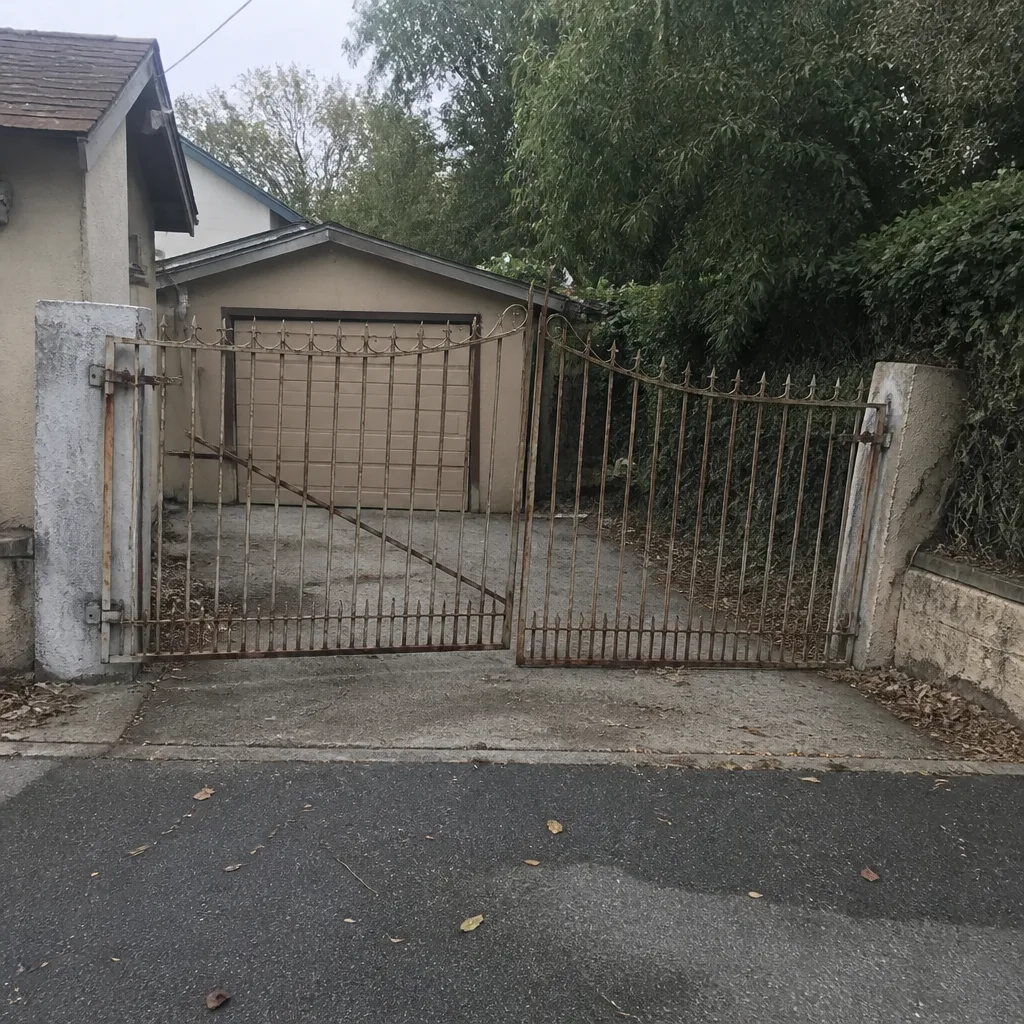
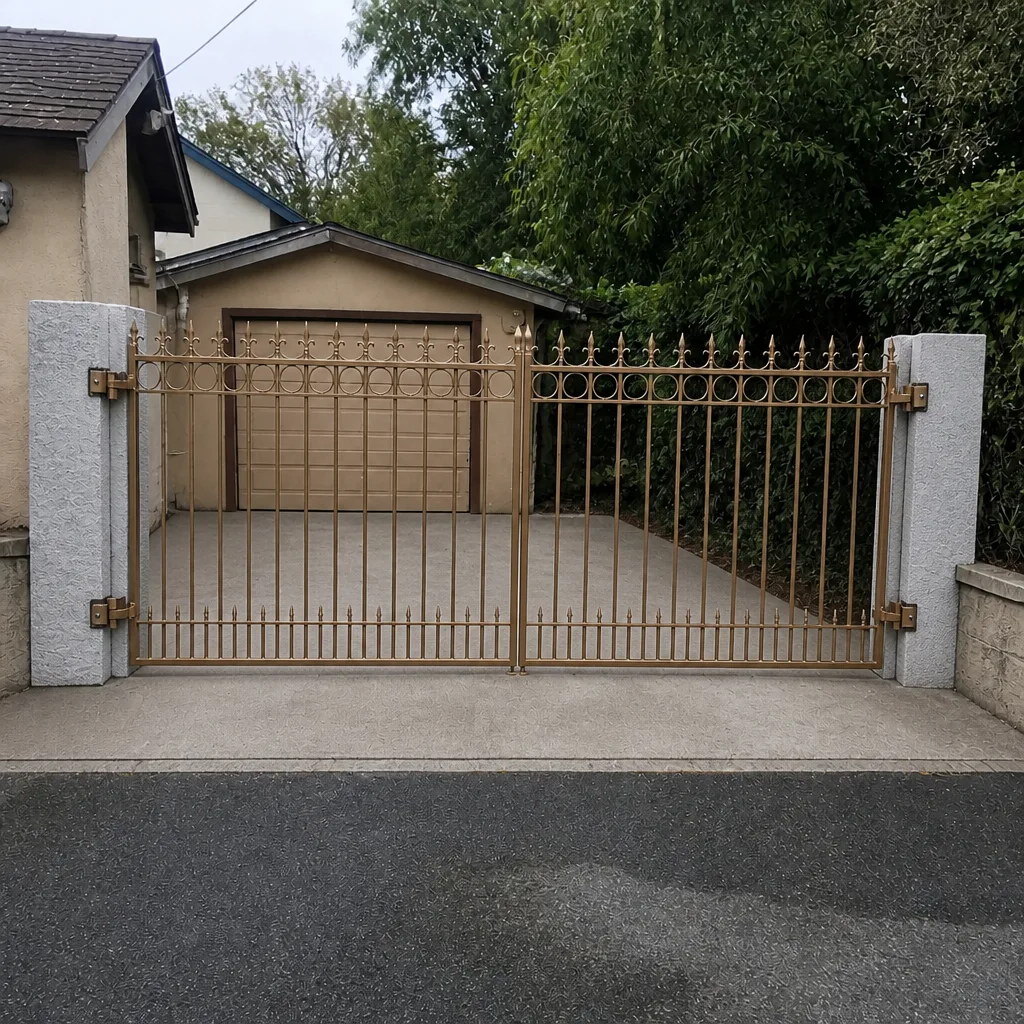
See the difference
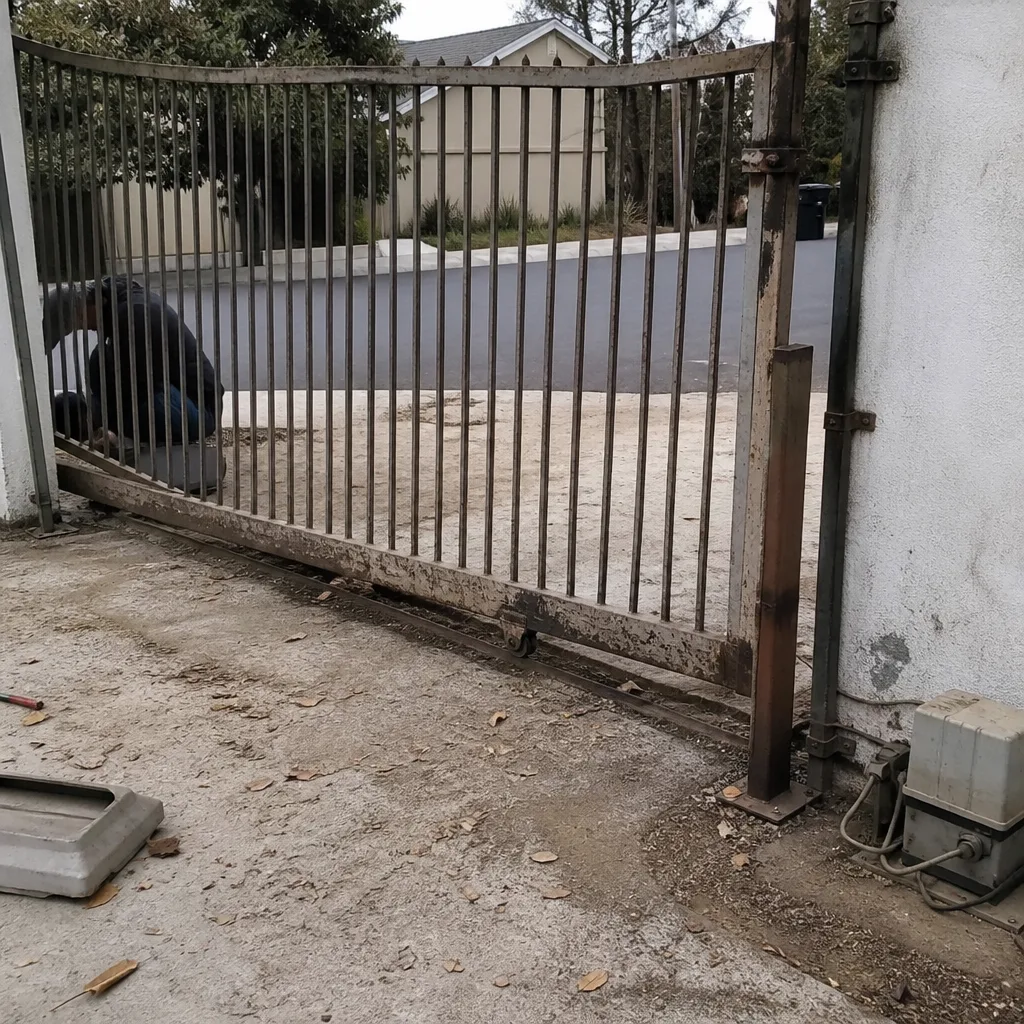 Before
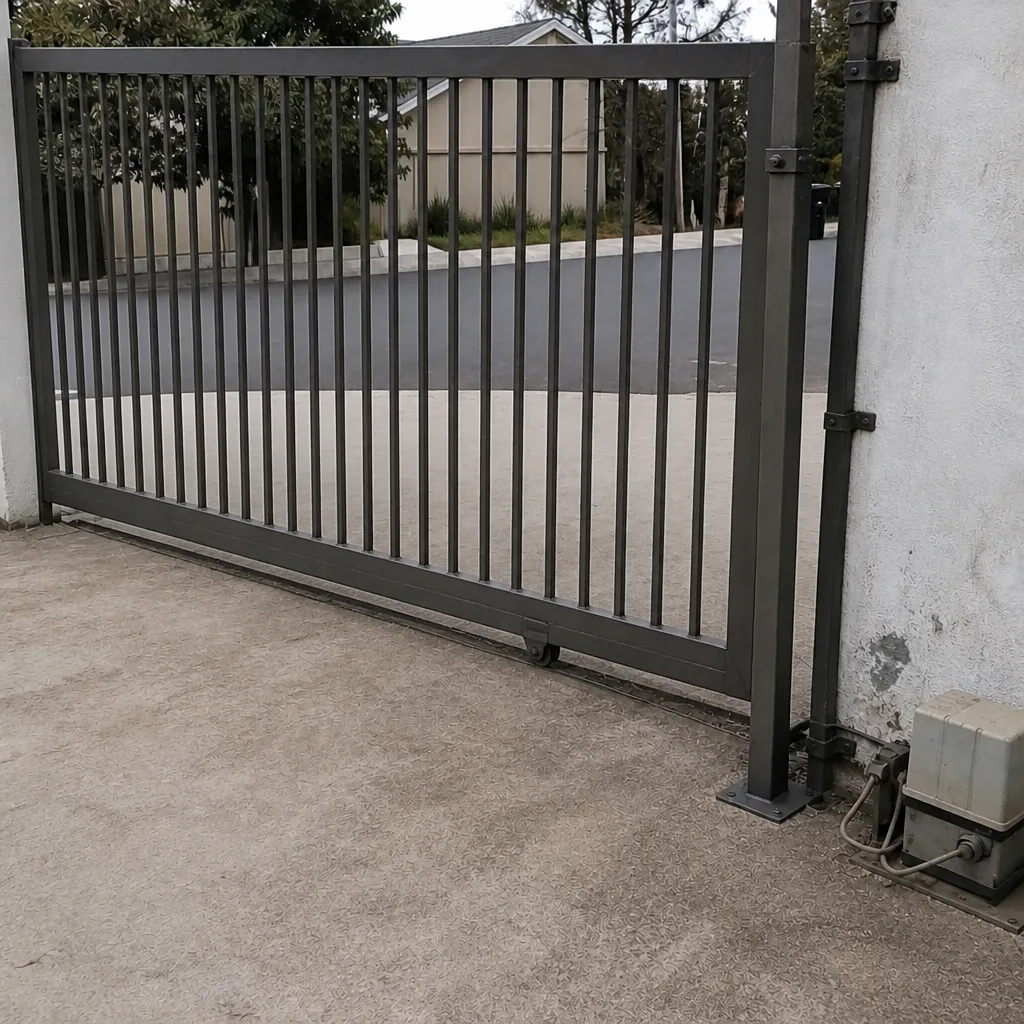 After
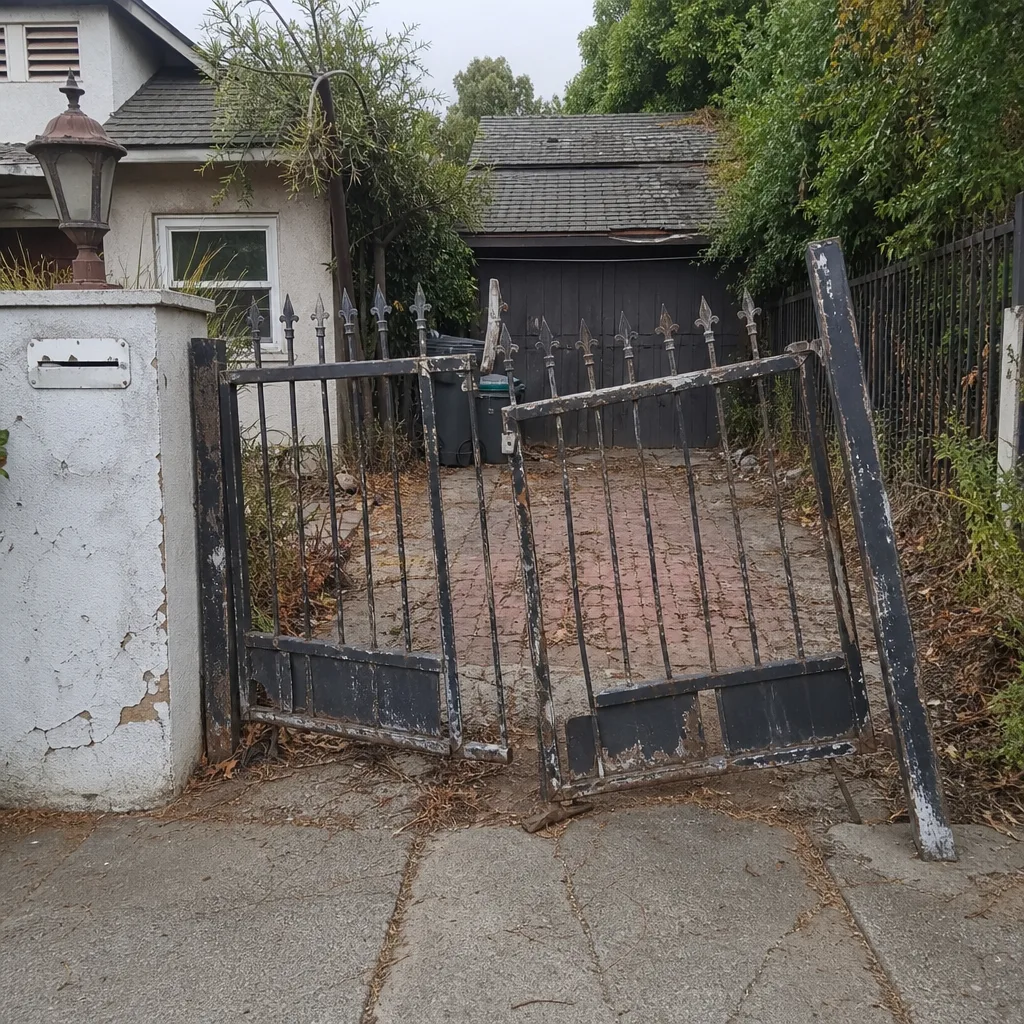 Before
 After
 Before
 After