
Last updated November 4, 2026
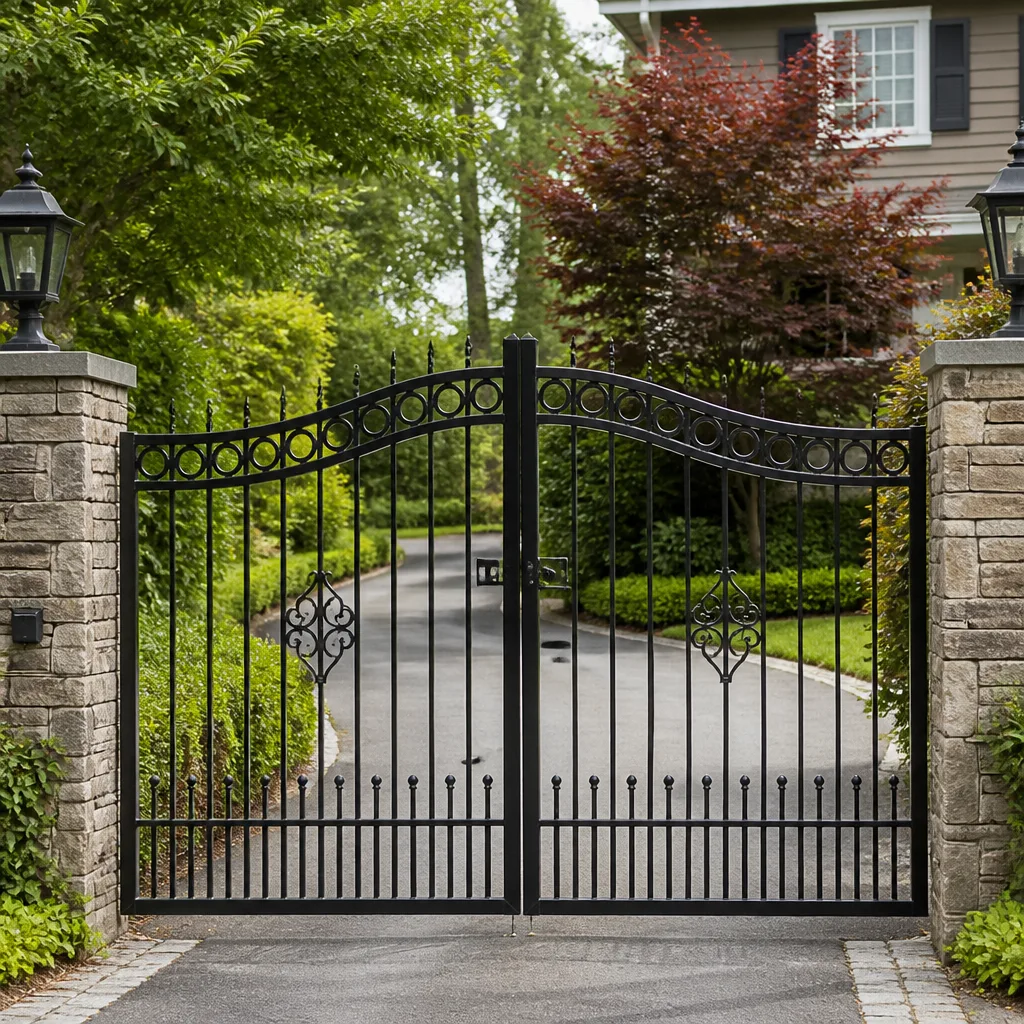 Wrought iron
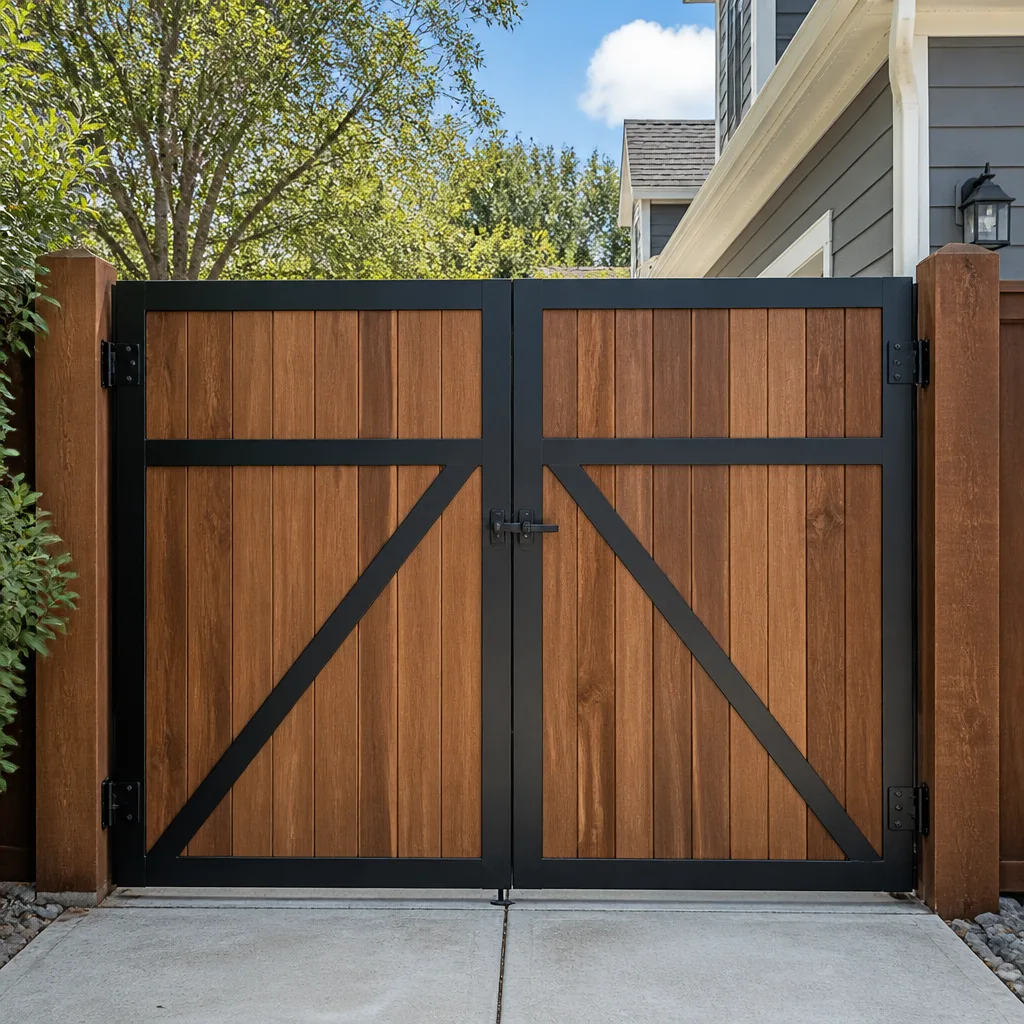 Wood & steel frame
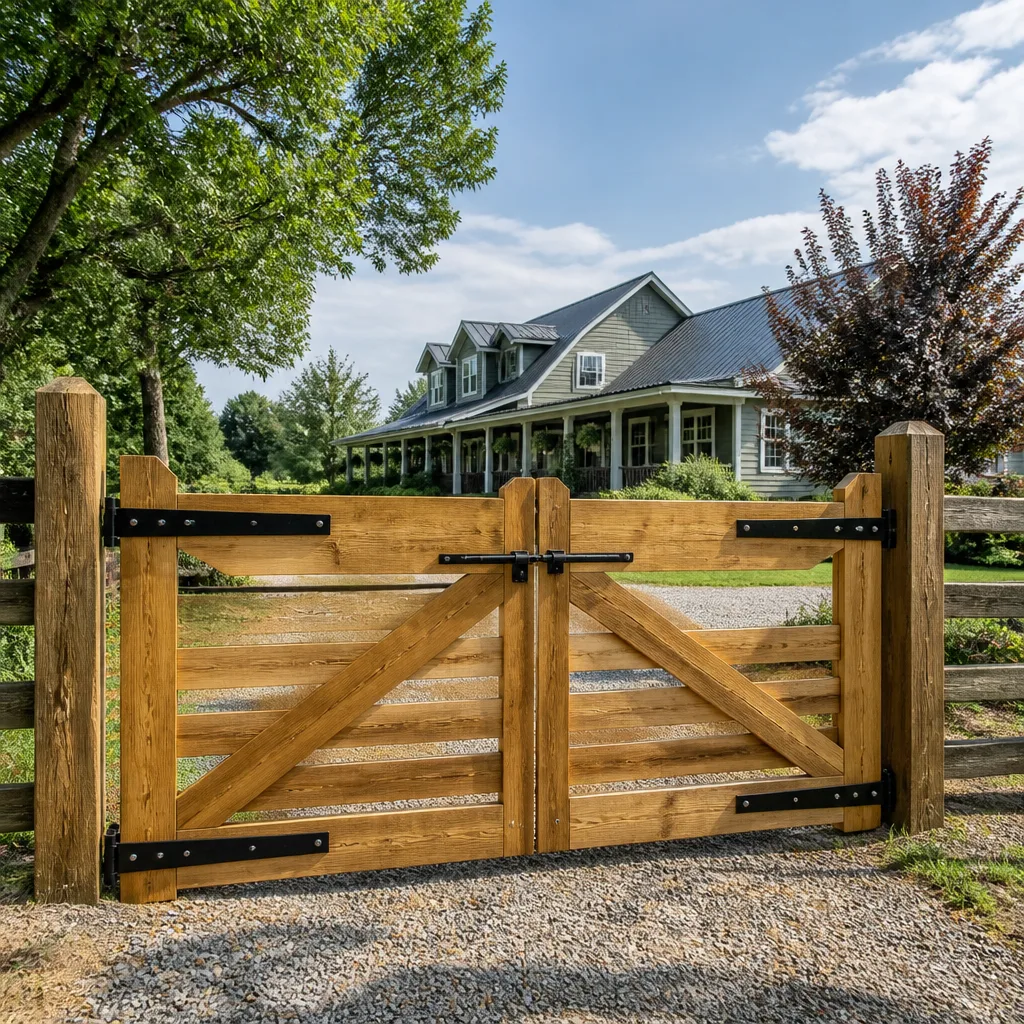 Farm & ranch
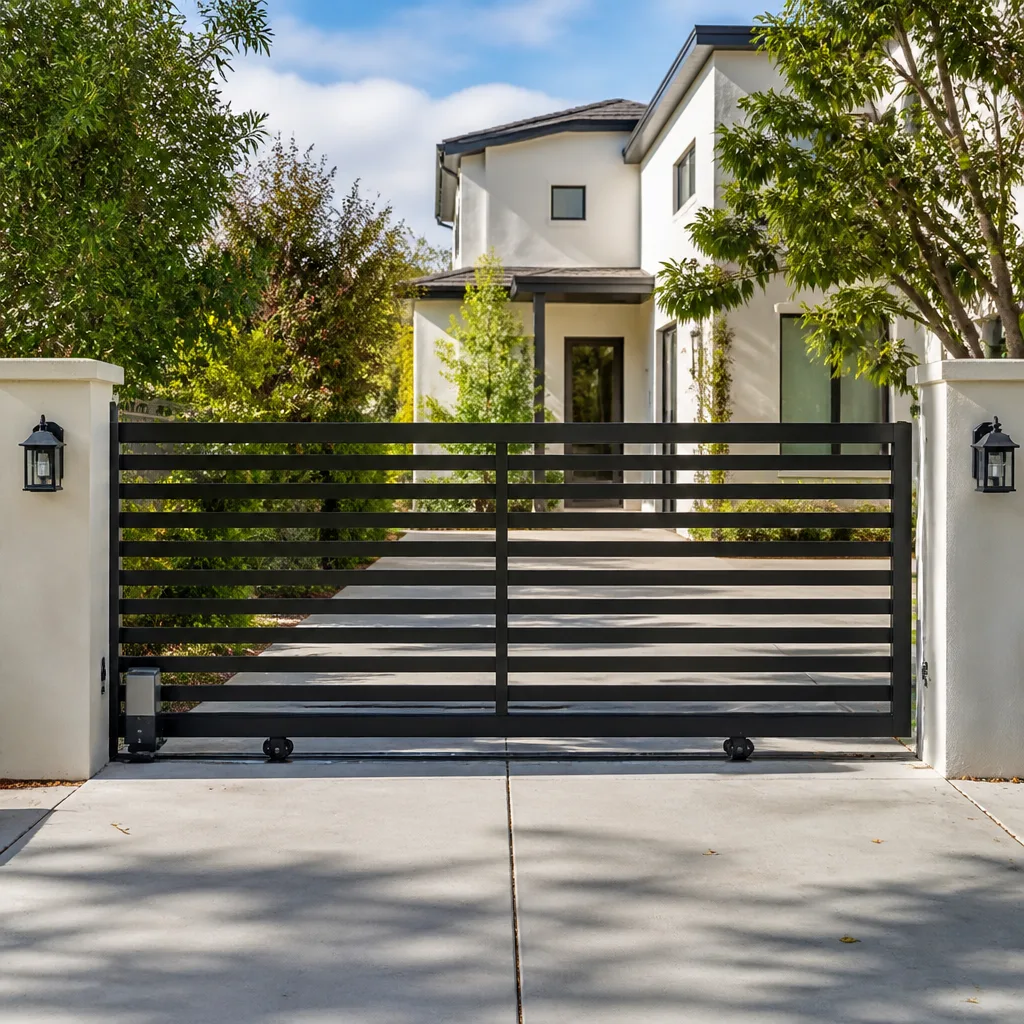 Sliding driveway gates
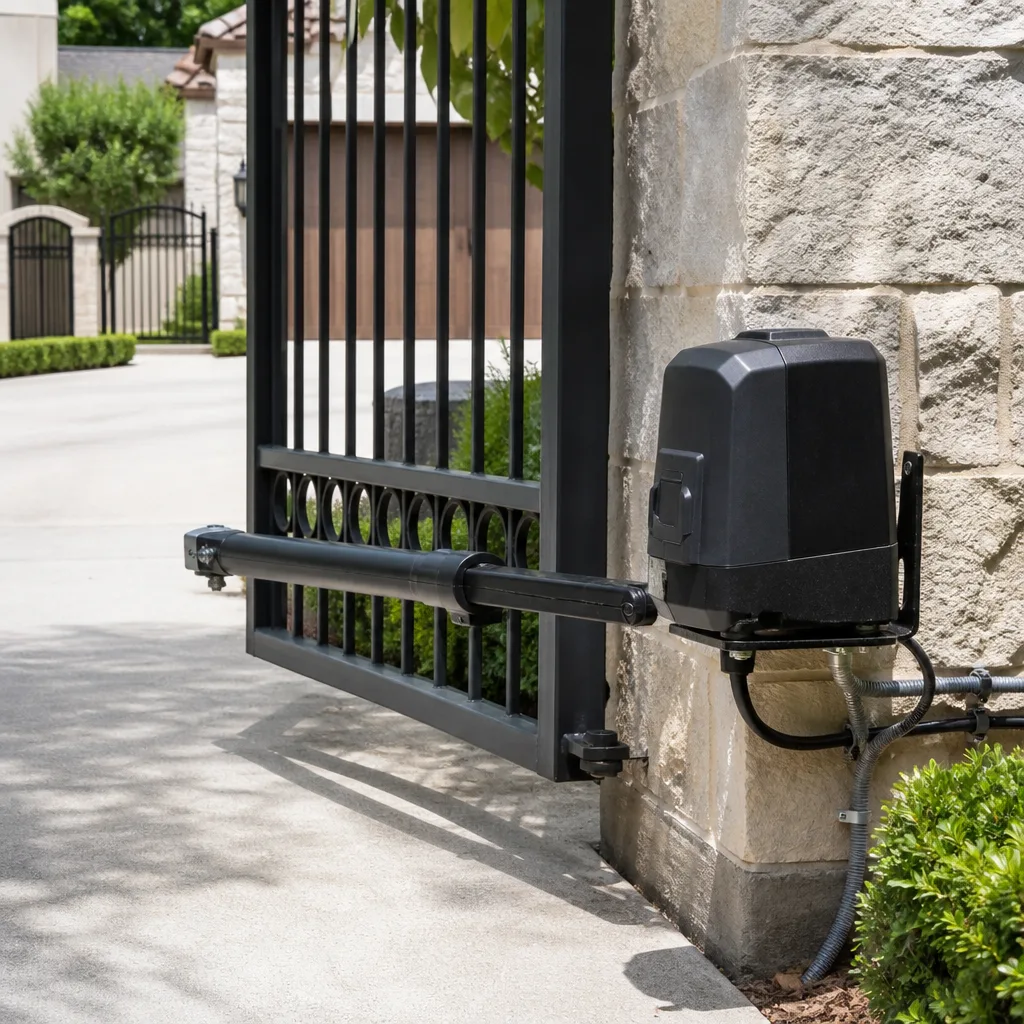 LiftMaster operators
Free on-site gate assessment - hinges, posts, and your LiftMaster or Nice gate operator checked before anything is quoted
The assessment is free and the quote is the invoice.
Get your free estimateChoosing the Right Gate Repair Brand: A Buyer’s Guide for Highland Park
Most people assume the biggest gate brands are interchangeable, and that’s the exact mistake that leads to expensive workarounds later. A gate operator that works beautifully on a flat lot in Pasadena can become a constant headache on a sloped driveway in Highland Park, not because the unit is defective but because it was never spec’d for grade, duty cycle, or the access-control ecosystem already wired into your property. This guide walks through how to evaluate gate repair brands as an engineering decision, the same way our technicians at Sentinel Gate Repair approach every system we open up. You’ll learn what matters, what doesn’t, and how to avoid locking yourself into a brand that can’t keep up with how your gate actually gets used.
Quick Answer
The right gate repair brand for your Highland Park property depends on three factors: your driveway’s slope, how many open-close cycles the gate runs daily, and which access control systems need to integrate with it. Residential-rated operators from brands like Ghost Controls or Mighty Mule work fine for low-cycle, flat-slope installations, but high-traffic or hillside properties typically need commercial-grade units from LiftMaster, Linear, or BFT. Choosing by brand recognition alone is how property owners end up with a two-year-old operator that overheats weekly and needs parts shipped from out of state.
Styles & brands we work with
- Wrought iron
- Wood & steel frame
- Farm & ranch
- Sliding driveway gates
- LiftMaster operators
Table of Contents
- Why Duty Cycle Rating Matters More Than Brand Name
- Slope Compensation and Highland Park’s Hillside Driveways
- The Parts and Service Network Reality in the LA Area
- Brand Ecosystems: Intercoms, Access Control, and Smart Home Integration
- Total Cost of Ownership: A 10-Year Calculation by Brand
- New Installation vs. Retrofit: How Brand Choice Changes the Project
- Common Mistakes to Avoid
- When to Call a Professional
- Frequently Asked Questions
Why Duty Cycle Rating Matters More Than Brand Name
Duty cycle is the single most misunderstood spec in gate operator selection, and it’s the reason we see otherwise solid units fail prematurely all over Highland Park. The rating tells you how long a motor can run before it must rest. A typical residential operator is rated for intermittent duty, maybe 10 to 20 cycles per day. Run it 60 times a day because you have multiple households sharing a driveway, and the motor windings degrade fast. Overheating trips become weekly events. The control board starts throwing error codes no one can interpret. The brand isn’t the problem. The spec was wrong from day one.
Here’s the practical difference:
- Light residential (Ghost Controls, Mighty Mule): Built for one or two households, flat or mild slopes, occasional use. Excellent value when the application matches the rating.
- Heavy residential / light commercial (LiftMaster, Linear): Higher duty cycles, better thermal protection, more robust gearboxes. The right call for shared driveways, duplexes, and small HOAs.
- Commercial-grade (BFT, FAAC, Viking, DoorKing, Elite): Designed for hundreds of cycles a day, continuous or high-frequency duty, and the kind of abuse a gate gets at a multi-unit building or commercial property.
Highland Park has a mix of single-family homes, hillside properties with long shared driveways, and an increasing number of multi-unit and mixed-use properties. A gate on a four-unit hillside parcel that runs 100 cycles a day needs a commercial-grade operator regardless of whether it’s a “residential” gate. Our team has performed enough gate repair in the neighborhood to know that duty cycle mismatches account for a large share of repeat failures. Right diagnosis, first visit means reading the nameplate and asking how many times that gate actually opens in a day.
Before you replace a failed operator, count your actual daily cycles for a week. Multiply vehicle entries and exits, deliveries, and yard access. If you’re over 40 cycles consistently, stop buying residential-rated hardware.
Slope Compensation and Highland Park’s Hillside Driveways
Highland Park is built into the San Rafael Hills, and plenty of driveways here climb steeply from the street to the house. That grade changes everything about motor selection. A gate on a slope works against gravity on every cycle. The operator must overcome not just the weight of the gate leaf but also the constant pull of the incline. Cheap residential operators without proper torque curves will strain, trip overload sensors, and eat through limit switches.
What to look for on a hillside installation:
- Motor wattage and torque rating: Slope installations generally need a higher-wattage motor than a comparable flat-site gate. Viking and BFT both produce hydraulic and electro-mechanical operators with the torque headroom for grade.
- Soft start/stop capability: Abrupt acceleration on a slope jerks the gate and stresses hinges, wheels, and the motor itself. Operators with programmable soft start and stop profiles extend service life considerably.
- Overload sensing: The operator should detect resistance and stop rather than burn itself out. This matters more on slopes where debris, a misaligned wheel, or a shifted post adds resistance a flat site would never see.
- Mechanical brakes: On steeper grades, a motor brake prevents the gate from rolling back or drifting when the operator isn’t actively driving it. Not all residential operators include one.
We know LiftMaster, FAAC, BFT, Linear, Viking, Ghost Controls, DoorKing, Elite, and Mighty Mule systems. That matters because a hillside gate that keeps faulting often has a slope-related root cause that has nothing to do with the brand name on the cover. The fix might be as simple as a torque adjustment, a hinge realignment, or moving to a heavier-duty capacitor. But you only find it if the technician understands how grade changes the operating environment.
The Parts and Service Network Reality in the LA Area
Here’s a factor most buyer’s guides ignore: what happens when the operator fails and you need a control board, a limit switch, or a receiver module? The answer depends heavily on brand and where its distribution network sits. The LA area has strong distributor stock for some manufacturers and spotty availability for others. That difference becomes very real when your gate is stuck open at 10pm and the part has to ship from a warehouse in Texas.
Brands with established commercial distribution channels in Southern California, like LiftMaster, DoorKing, and Linear, tend to have the shortest parts lead times. FAAC and BFT have strong international footprints and generally good US distribution, though certain specialized boards may take a few days. Mighty Mule and Ghost Controls parts are widely available online, which is convenient for DIY but less relevant when you need a technician to install and calibrate a new board on a hillside gate.
Local parts availability matters for one simple reason: every day your gate is down is a day your property’s access control is compromised. A brand with a deep local parts network gets you back in service faster. It also means when we perform electric gate repair, we can often complete the job in a single visit instead of scheduling a return trip after parts arrive.
Brand Ecosystems: Intercoms, Access Control, and Smart Home Integration
Your gate operator doesn’t live in a vacuum. It’s wired into a property’s intercom system, keypads, vehicle detection loops, telephone entry, and increasingly smart home platforms. Some brands design their operators to work cleanly with third-party access control systems. Others are more closed, which means your long-term upgrade path narrows depending on the operator you choose.
What to check before committing to a brand:
- Intercom and telephone entry compatibility: DoorKing and Linear have deep roots in telephone entry and access control, so their operators tend to integrate cleanly with those systems. Viking is also strong in this space.
- Vehicle detection: If your gate uses loop detectors or photo eyes for automatic exit or safety reversal, confirm the operator supports the style of detection you have or plan to install.
- Smart home connectivity: LiftMaster’s MyQ platform and Ghost Controls’ app-based systems offer app control and monitoring. If remote control from a phone matters to you, pick a brand that supports it natively rather than bolting on third-party hardware that may not talk to the operator’s board.
- HOA and multi-user scenarios: Properties with many users, guest codes, or delivery access benefit from access control platforms that manage credentials centrally. Some brands handle this more gracefully than others.
If you already have an intercom or access control system in place, the operator brand decision should start with what that system supports. Swapping out a perfectly functional intercom because a new operator won’t talk to it is a five-figure problem no one budgets for.
Total Cost of Ownership: A 10-Year Calculation by Brand
The purchase price of a gate operator is the cheapest part of owning it. Labor to install, service calls, parts, and eventual replacement dwarf the upfront cost. The smart way to compare brands is over a 10-year horizon, which conveniently is about how long a well-matched operator should last in a typical Highland Park installation.
A 10-year total cost of ownership comparison looks like this:
| Cost Factor | Residential Brand (Ghost Controls, Mighty Mule) | Commercial-Light Brand (LiftMaster, Linear) | Commercial Brand (BFT, Viking, FAAC, DoorKing, Elite) |
|---|---|---|---|
| Upfront operator cost | $400 – $900 | $900 – $1,800 | $1,500 – $4,000+ |
| Installation labor | $600 – $1,200 | $800 – $1,500 | $1,200 – $2,500 |
| Expected service interval | Every 2 – 3 years | Every 3 – 5 years | Every 4 – 6 years |
| Typical parts cost per repair | $120 – $300 | $200 – $500 | $300 – $800 |
| Realistic lifespan (matched to use) | 5 – 8 years | 8 – 12 years | 10 – 15+ years |
These are typical ranges, not quotes. The written estimate sets the final price for any job. But the pattern holds: cheaper operators cost more over a decade when they’re undersized for the site. A Hillside Highland Park driveway that puts a residential unit through 60 cycles a day will eat through two Ghost Controls operators in the time one properly spec’d LiftMaster or BFT unit lasts. The math is not close. When you add up the service calls, the downtime, and the second installation, the cheaper operator cost two or three times more by year seven.
Our technician team carries gate-specific parts and diagnostics equipment because gate systems are all we do. When you call us for repair or replacement, you get a brand-versed assessment of what your site actually needs, not a sales pitch for whatever brand has the best margin this quarter.
New Installation vs. Retrofit: How Brand Choice Changes the Project
The brand decision plays out differently depending on whether you’re installing a gate from scratch or replacing an operator on an existing gate.
New installation: You have full freedom to choose a brand that matches your slope, duty cycle, and access control needs. This is also when it’s cheapest to run conduit, pour proper footings, and position the operator so it isn’t fighting the site from day one. A gate specialist in Highland Park can look at your driveway’s grade, count your expected daily cycles, and recommend a brand with the right torque profile. Spending $300 more on a properly matched operator at installation saves thousands over the life of the gate.
Retrofit: You’re replacing an operator on an existing gate leaf, which means the mounting pattern, arm style, and electrical setup may constrain your options. Some gates were built around a specific operator’s footprint, and switching to a different brand may require fabrication, new brackets, or rewiring. A brand-versed technician can tell you whether a retrofit is straightforward or whether you’re better off replacing the operator with the same brand to avoid structural modifications.
From repair to full installation, Sentinel Gate Repair handles the entire lifecycle. The same specialist who diagnoses a failed Viking operator on Wednesday can spec and install a new BFT system on Friday. That continuity means nobody is guessing about what your gate needs.
Common Mistakes to Avoid
- Buying by brand recognition alone: The most marketed brand in Highland Park is not automatically the right one for your property. A flat-lot brand on a hillside driveway is a future service call, not a finished project.
- Ignoring duty cycle: Under-spec’d operators run hot, trip overloads, and die young. Count your actual daily cycles before you buy anything.
- Skipping slope compensation on hillside driveways: Highland Park’s topography demands operators with torque headroom. A cheap residential unit on a steep grade will fault constantly.
- Not checking parts availability: A great operator that needs factory-direct parts with a week-long lead time leaves your gate down for days. Local distributor stock matters.
- Overlooking access control compatibility: The operator has to talk to your intercom, keypads, and any smart home platform. A closed ecosystem can paint you into a corner.
- Choosing on purchase price: The cheapest operator is usually the most expensive by year five. Run the 10-year calculation, not the sticker comparison.
- Letting a generalist install gate electronics: Automated gate systems involve motor diagnostics, control boards, and low-voltage wiring. This is not a handyman job. A gate specialist arrives knowing the brand, not Googling it in the driveway.
When to Call a Professional
Call a gate professional when the operator won’t respond, the gate reverses unexpectedly, the motor runs but the gate doesn’t move, or you’re seeing error codes you can’t clear. Also call before buying a replacement operator, not after. A brand-versed technician can check your power supply, measure the site’s actual duty cycle, and confirm which brands fit your existing gate leaf and access control system. Automated gate work involves wiring and heavy moving panels that can injure someone if handled incorrectly. Trained professionals should do this work. Sentinel Gate Repair offers free estimates in Highland Park. Call (855) 490-6590 and we’ll assess what your gate actually needs, no guessing.
Frequently Asked Questions
Commercial-light and commercial brands like LiftMaster, BFT, and Viking tend to hold up best on sloped driveways because they offer the torque headroom and overload protection a hillside gate demands. The key is matching the motor’s duty cycle and torque rating to your specific grade and daily use, not picking the brand with the most recognizable name.
A residential operator is built for intermittent use, typically 10 to 20 cycles per day, while a commercial operator is designed for high-frequency cycling, often 100 to 200+ cycles daily. The difference shows up in motor construction, thermal protection, duty cycle rating, and the ability to handle heavier gate leaves and steeper slopes. If your Highland Park property generates commercial-grade traffic, buy commercial-grade hardware.
LiftMaster, DoorKing, and Linear have strong distributor networks in the LA area, which usually means faster parts access. FAAC and BFT also have solid US distribution, though certain specialized boards may take a few days. Cheaper direct-to-consumer brands often mean waiting on factory-direct shipping when a board fails.
Yes, because the existing mounting pattern, arm style, and electrical setup can constrain which brands will retrofit without fabrication work. Some gates were built around a specific operator’s footprint. We can assess whether your existing gate supports a straightforward brand switch or whether you’re better off replacing with the same brand.
They can physically mount hardware, but the wiring, control board, and motor diagnostics are where the real expertise lives. We regularly follow up after general contractors who installed an operator but couldn’t get it to communicate with the access control system. Gate systems are electrical infrastructure, and they need a specialist who knows the brands that are common in Highland Park.
With a realistic duty cycle match and proper installation, expect 10 to 15 years from a commercial-grade unit, 8 to 12 from a commercial-light unit, and 5 to 8 from a residential operator that’s used within its rating. Undersize the operator for your traffic, and every one of those numbers shrinks by half. Call (855) 490-6590 if you want us to assess your current operator’s condition against your actual usage. We answer 24/7. Fast dispatch from 7am to 7pm, Sunday through Friday.
The Bottom Line
Brand selection is an engineering decision wrapped in a purchasing decision. In Highland Park, where hillside driveways and high-traffic shared properties are common, the right operator brand is determined by slope, duty cycle, parts availability, and access control compatibility. Ghost Controls and Mighty Mule serve low-cycle, flat-slope installations well. LiftMaster and Linear cover the heavy residential space. BFT, Viking, FAAC, DoorKing, and Elite earn their premium on hillside and commercial applications. Sentinels specializes in all nine brands, so the recommendation you get reflects what your gate actually needs, not what’s easy to sell. That’s the whole point of choosing a specialist.
Written by the team at Sentinel Gate Repair, serving Highland Park since 2016.
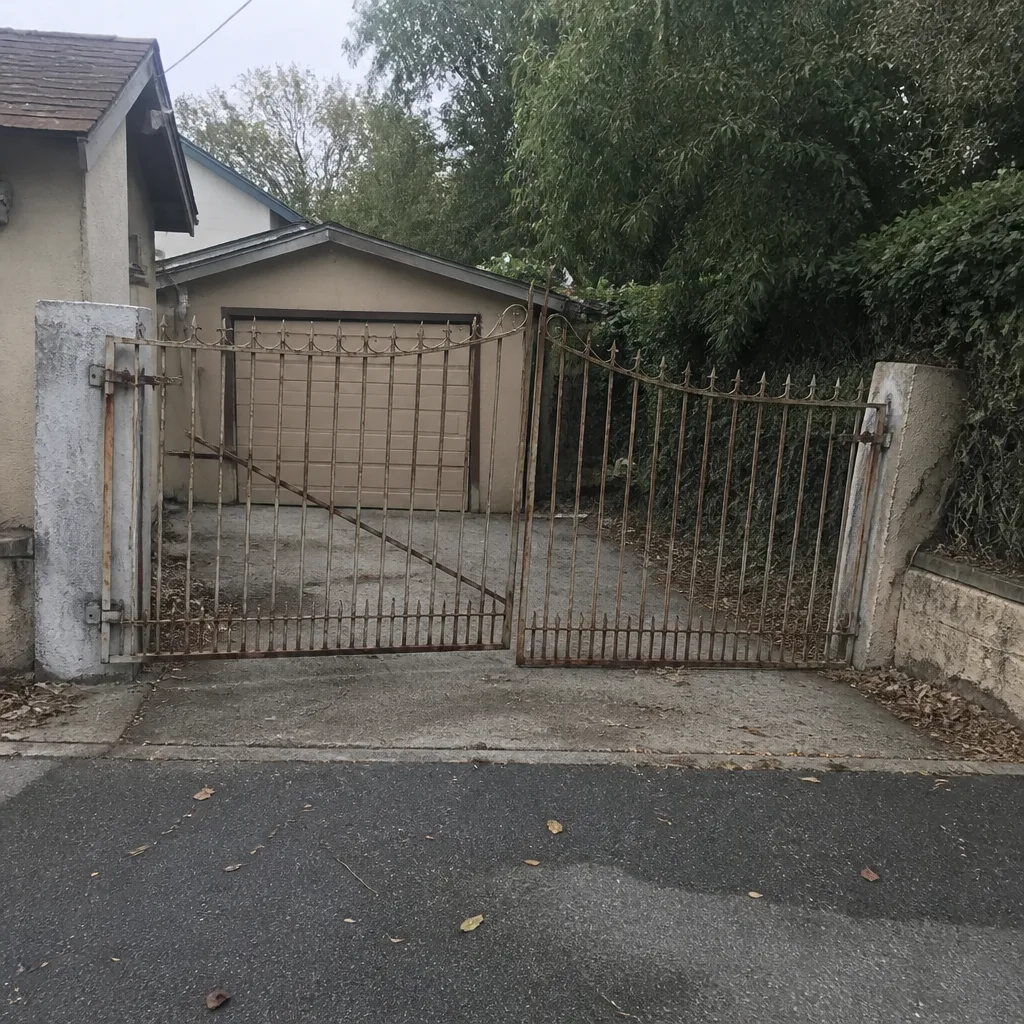
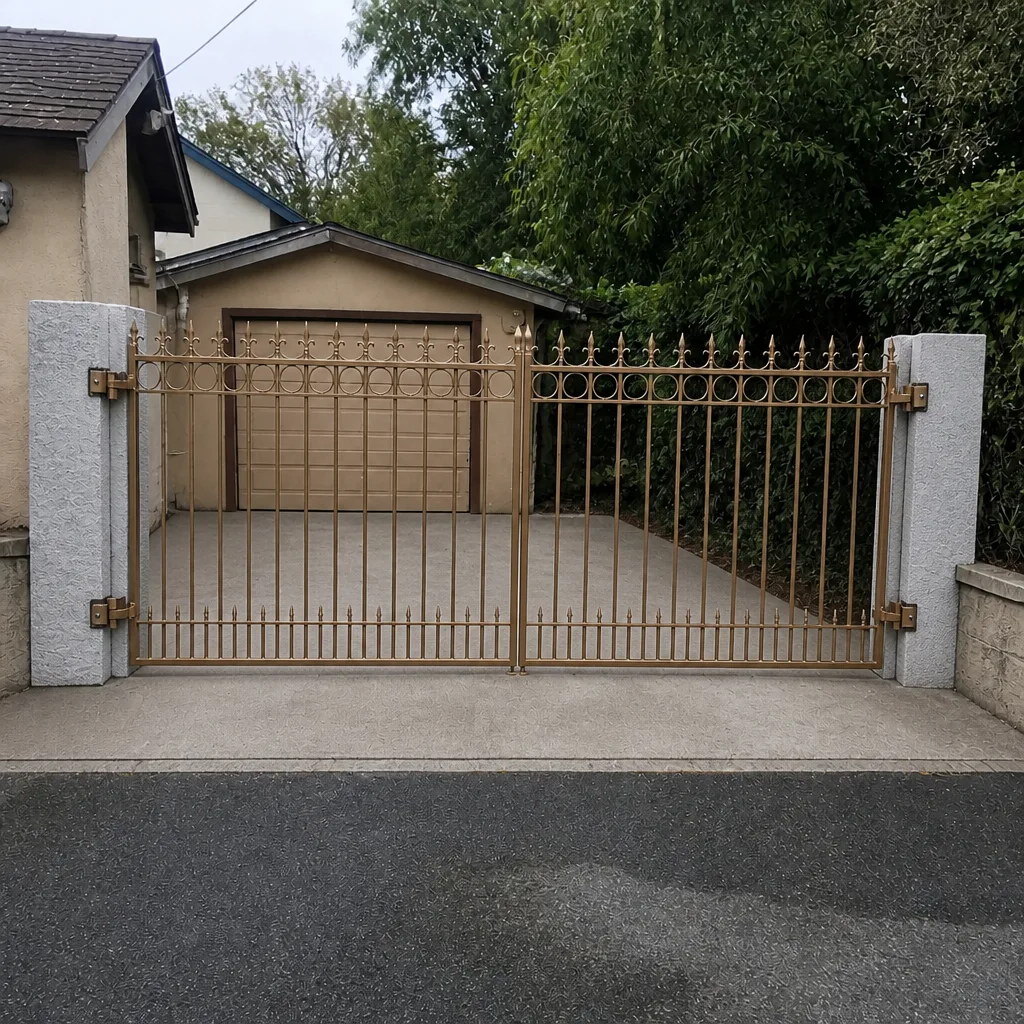
See the difference
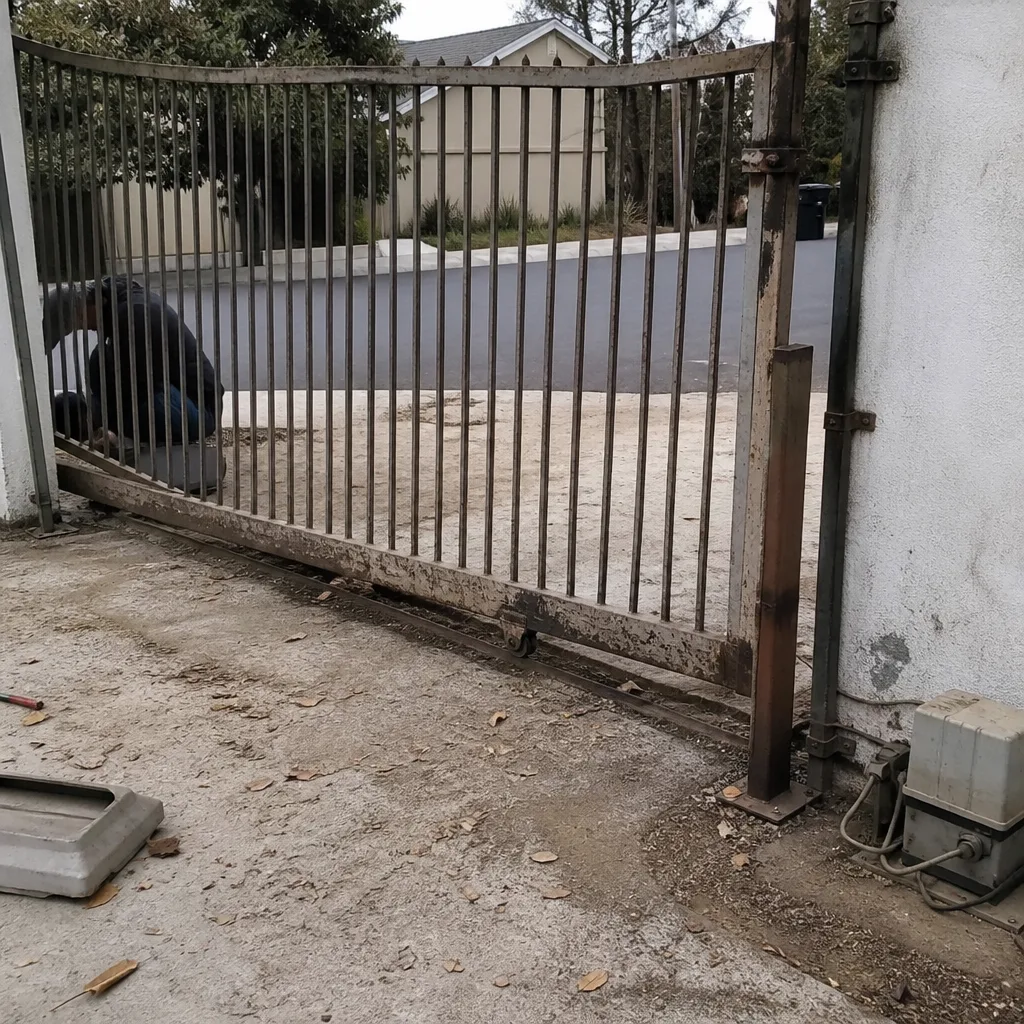 Before
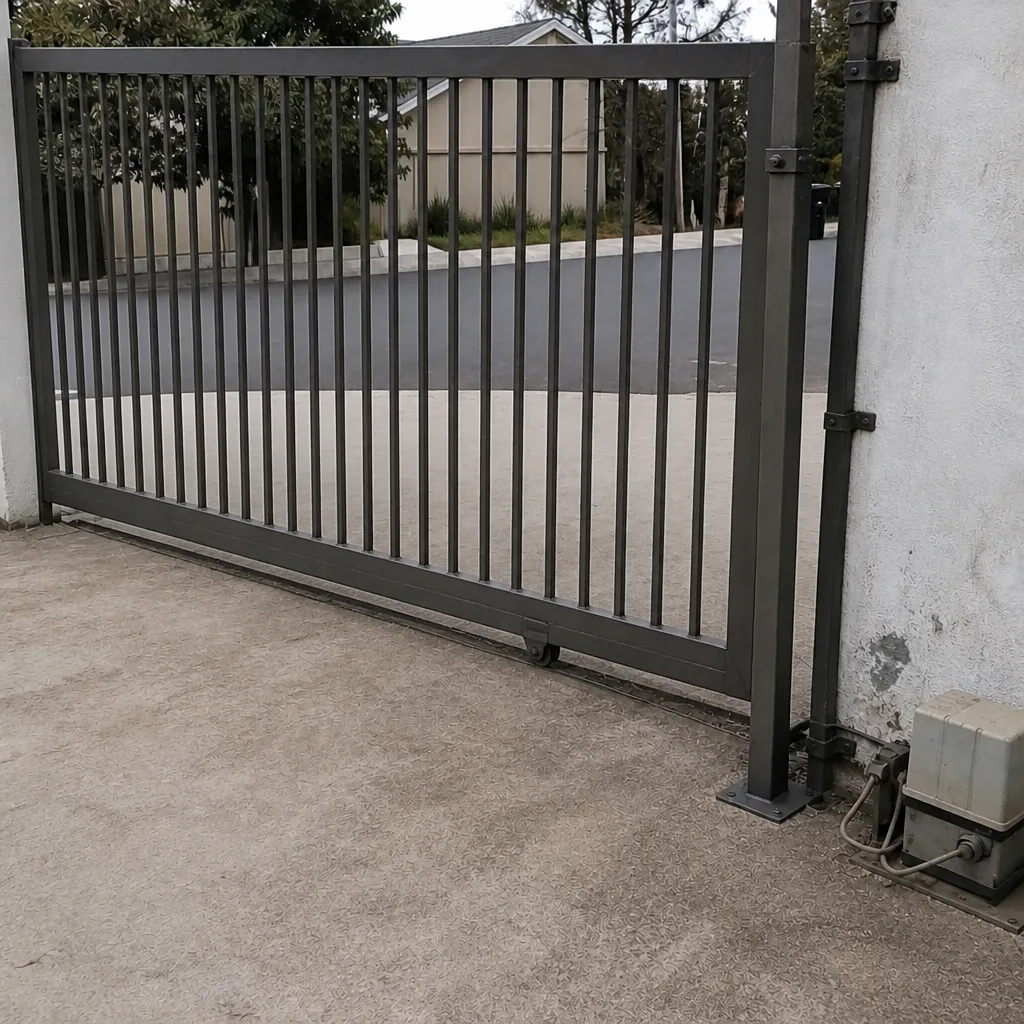 After
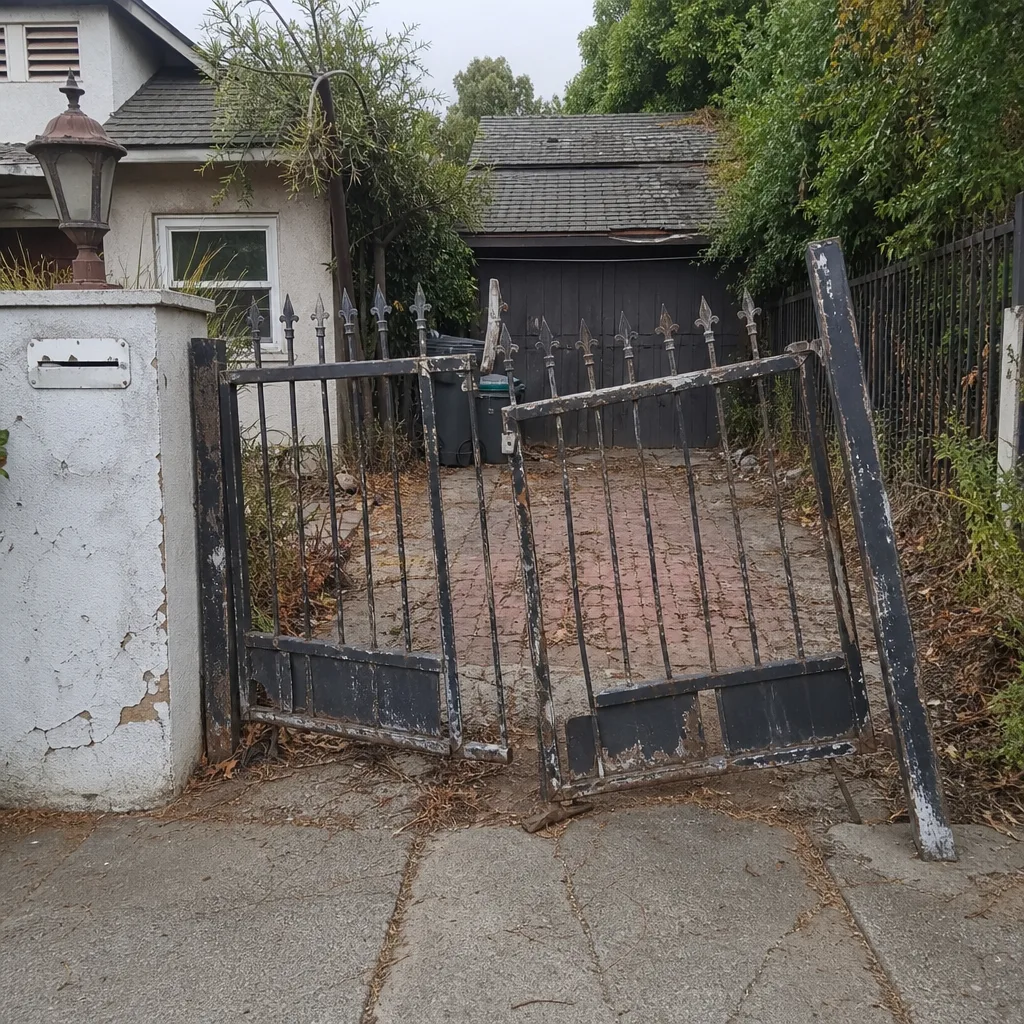 Before
 After
 Before
 After