
Last updated November 4, 2026
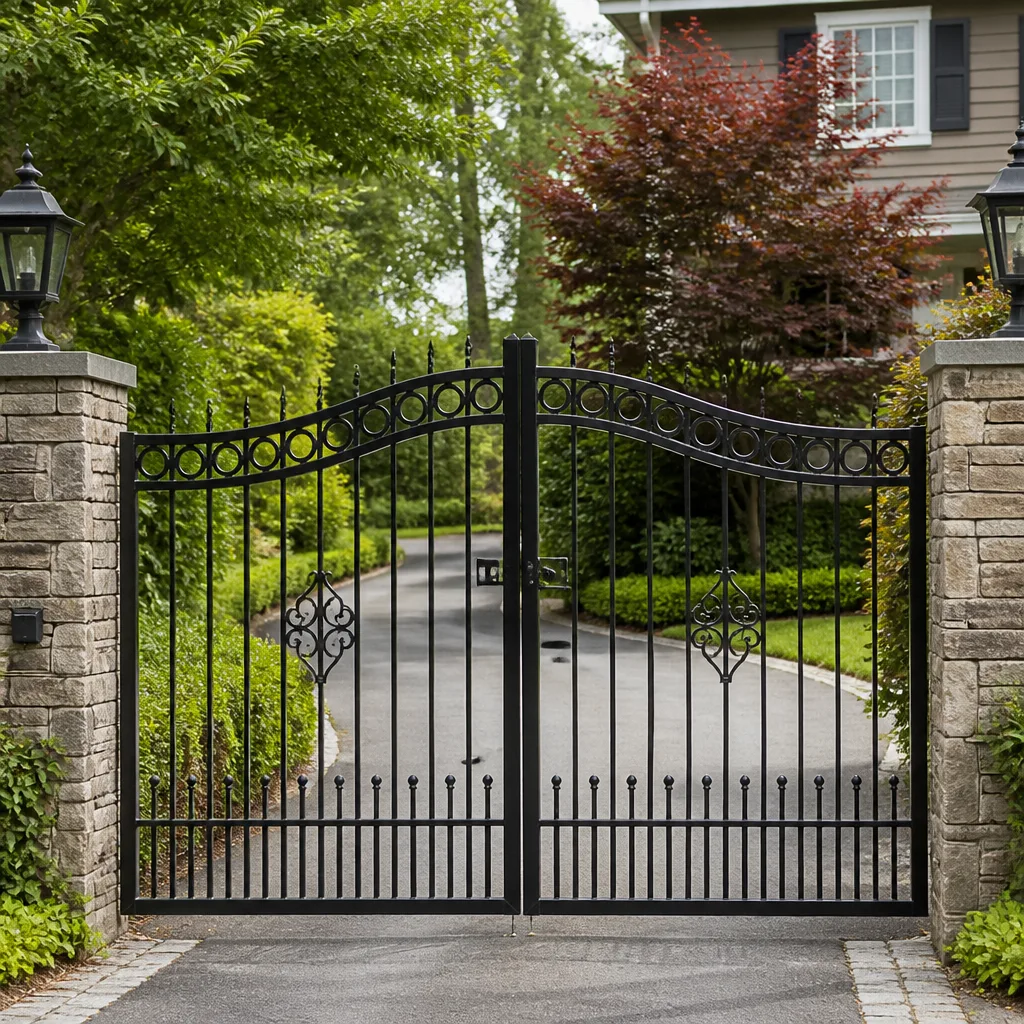 Wrought iron
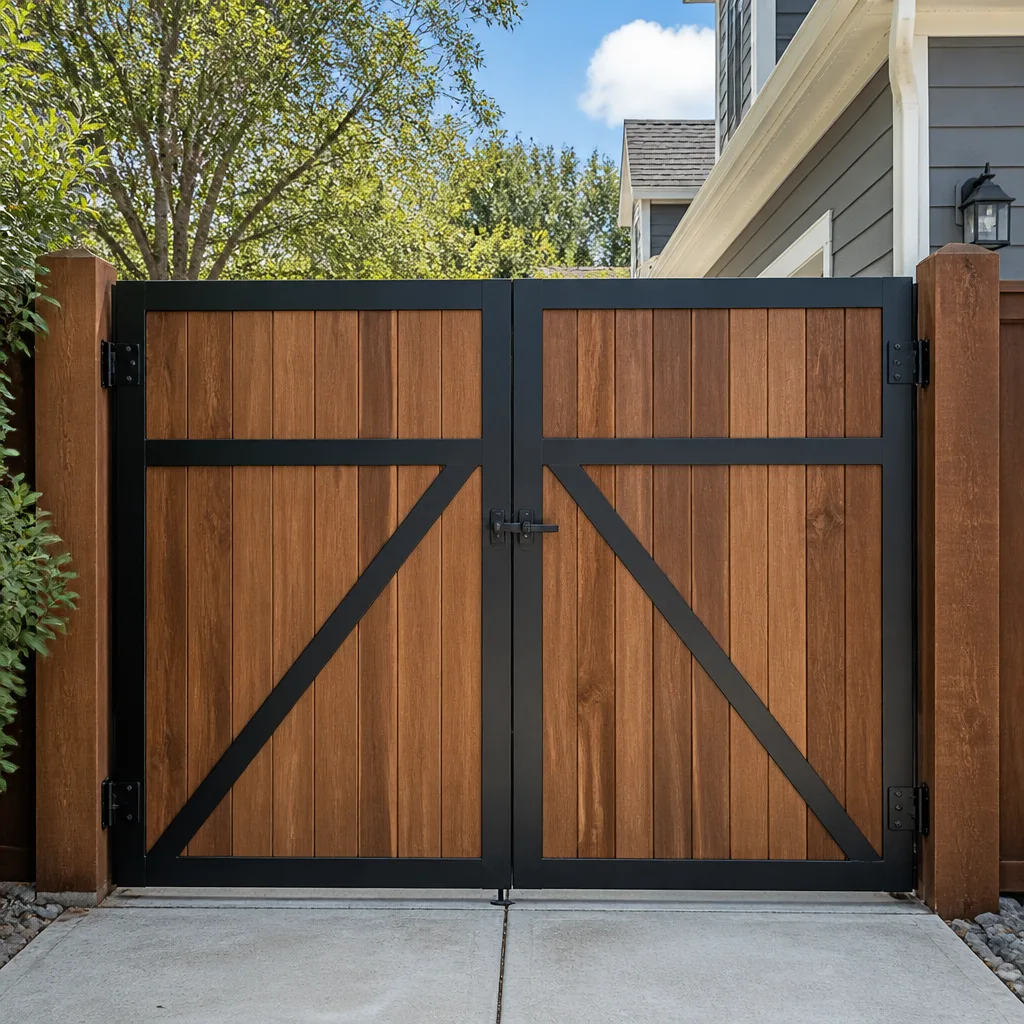 Wood & steel frame
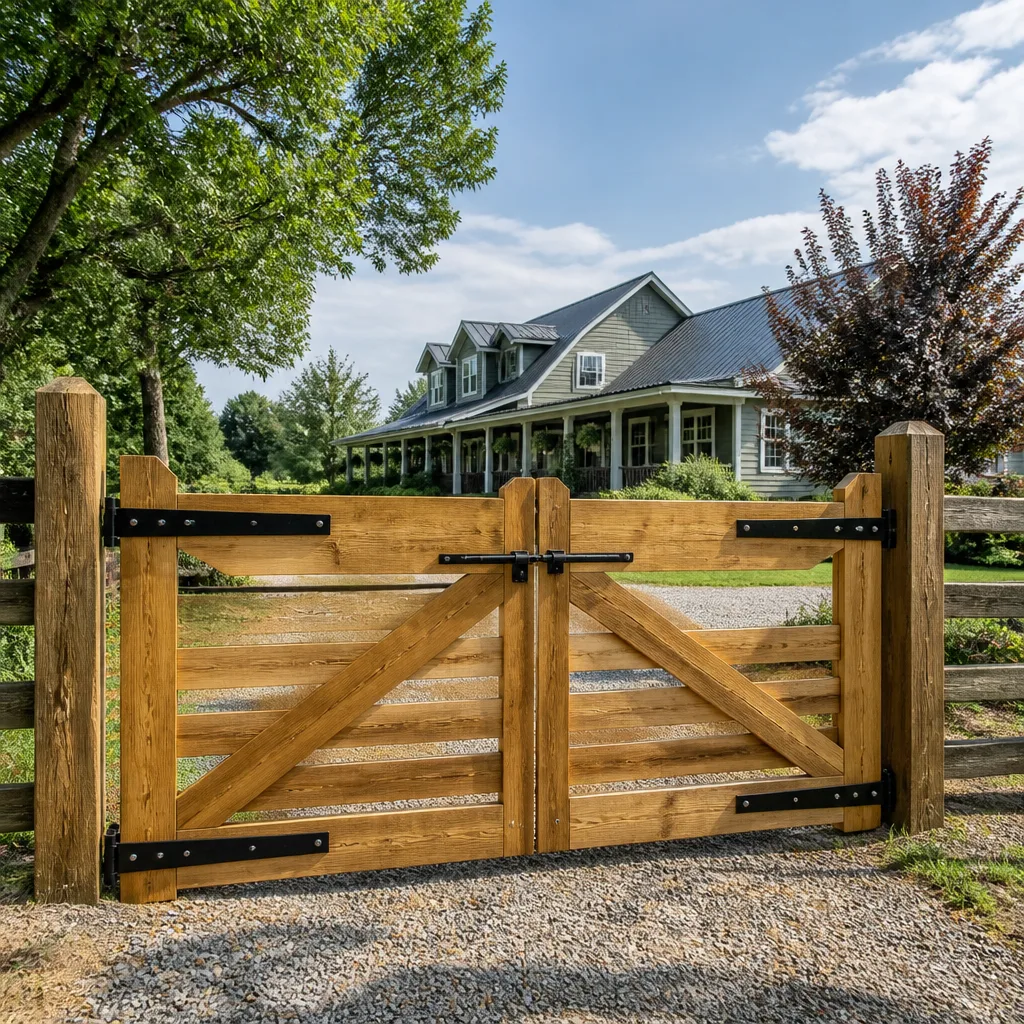 Farm & ranch
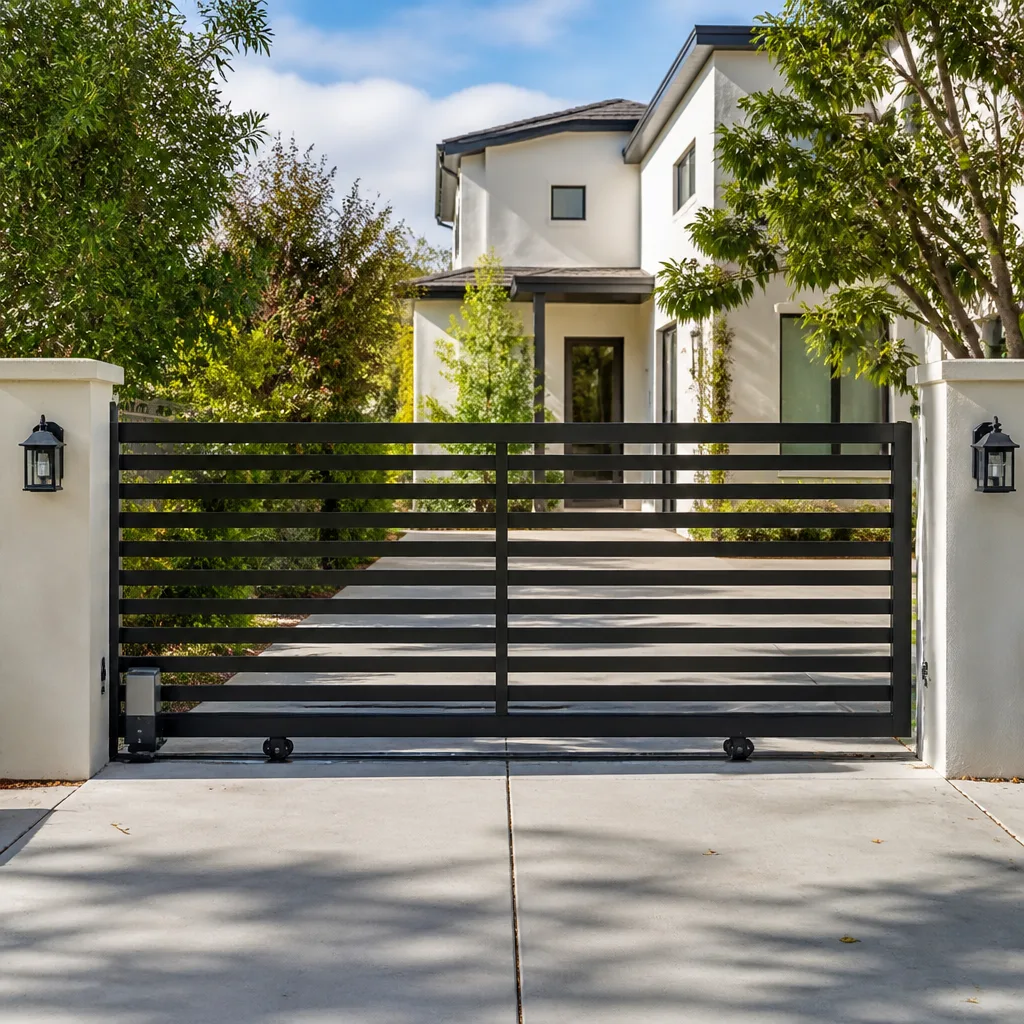 Sliding driveway gates
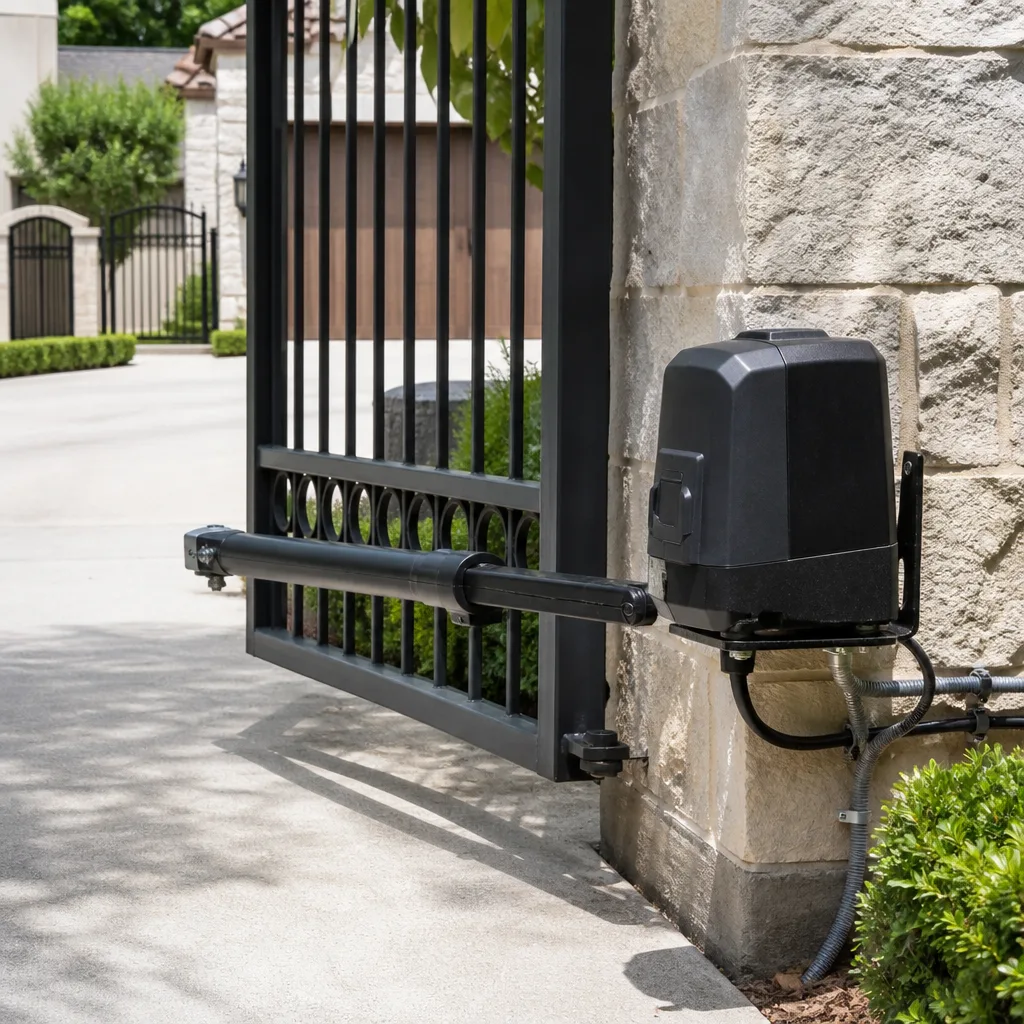 LiftMaster operators
Free on-site gate assessment - hinges, posts, and your LiftMaster or Nice gate operator checked before anything is quoted
The assessment is free and the quote is the invoice.
Get your free estimateDIY vs Professional Gate Repair: The Highland Park Homeowner’s Decision Guide
The most dangerous assumption in gate repair isn’t that a homeowner lacks mechanical ability. It’s the assumption that a gate is just a large door. A homeowner who has replaced an outlet, hung a shelf, or even rebuilt a deck has acquired precisely zero transferable knowledge for diagnosing a failing gate operator, understanding entrapment protection logic, or calculating the load on a cantilever slide track. The electrical systems, safety sensors, and mechanical stresses involved occupy an entirely different knowledge domain, and the consequences of getting them wrong extend well beyond a tripped breaker. This guide draws the line between what’s genuinely safe to handle yourself in Highland Park and what carries liability, insurance, and safety consequences that no homeowner should absorb alone.
Styles & brands we work with
- Wrought iron
- Wood & steel frame
- Farm & ranch
- Sliding driveway gates
- LiftMaster operators
Quick Answer
Most gate maintenance tasks like lubricating hinges, cleaning photo-eye lenses, and tightening loose hardware are safe DIY work. Repairing or modifying automated gate operators, control boards, safety edges, or any component governed by UL 325 entrapment standards is not DIY work, because a failed repair can void your homeowner’s insurance and expose you to injury liability. In Highland Park, the practical dividing line is electricity: manual hardware is fair game, anything with a motor or low-voltage logic is a professional call.
Table of Contents
- The Three DIY-Safe Categories (And Where Each One Stops Being Safe)
- UL 325 and Why It Changes the Liability Equation
- The Insurance and Warranty Problem Nobody Mentions
- The Diagnostic Trap: Why Symptoms Lie
- The Decision Matrix: Gate Type, Failure Type, Skill Level, Consequence
- What a Professional Repair Actually Includes
- Highland Park-Specific Considerations
- Common Mistakes to Avoid
- When to Call a Professional
- Frequently Asked Questions
- The Bottom Line
The Three DIY-Safe Categories (And Where Each One Stops Being Safe)
Let’s be precise about what DIY actually means in gate maintenance. We’re not going to tell you to never touch your gate. There are three categories of work that a competent Highland Park homeowner can handle without professional help, and each one has a specific boundary where it stops being safe.
1. Lubricating Hinges and Rollers
A gate that squeaks or moves stiffly usually needs lubrication. This is genuinely simple work. Use a silicone-based lubricant on hinge pins, roller bearings, and the track on slide gates. Do it every few months, and you’ll extend the life of the mechanical components. The boundary: if the gate is stiff because the hinges are bent, the post has shifted, or the gate has dropped out of alignment, lubrication will not fix it. A gate that scrapes the ground or binds against the latch isn’t dry, it’s deformed. That’s a structural issue, and forcing it to move is how you damage the operator.
2. Cleaning Photo-Eye Lenses
Automated gates have photo eyes, the small sensors near the base that detect obstructions. Dust, spider webs, and Highland Park’s dry-season grit accumulate on the lenses and cause false obstruction signals, meaning the gate reverses or refuses to close. Cleaning the lenses with a soft cloth is safe and fast. The boundary: if cleaning the lens doesn’t resolve the issue, the problem is alignment, wiring, or a failing sensor. Realigning photo eyes requires knowing the correct beam height and angle for your specific system, and a misaligned sensor creates an entrapment hazard rather than a nuisance.
3. Tightening Loose Hardware
Gate systems vibrate constantly. Bolts on hinges, brackets, and the operator mounting plate work loose over months of use. Walking the gate with a socket set and snugging up visible fasteners is reasonable maintenance. The boundary: the moment you reach for an impact wrench on the gate frame itself, you’ve crossed a line. Overtightening a hinge bolt on a warped section of steel can crack the weld or bend the frame. And any fastener connected to the operator’s internal mechanism is not a maintenance item, it’s a calibration point. If a bolt keeps coming loose repeatedly, that’s a symptom of a wider problem: a bent post, an unbalanced gate, or an operator fighting its load.
UL 325 and Why It Changes the Liability Equation
Here’s the thing most DIY guides won’t tell you: automated gates in the United States are regulated. UL 325 is the safety standard that governs gate operators, and it exists because automated gates have killed people. A gate that closes on a child, a pet, or a vehicle carries enough force to cause serious injury or death, and the entire point of entrapment protection is to prevent that outcome. When you modify, bypass, or improperly repair an automated gate system, you are personally assuming liability for what happens if that gate injures someone.
This isn’t theoretical. If your gate closes on a delivery driver because you disconnected a safety edge to stop a false-triggering problem, the liability is yours. Not the manufacturer’s, not the previous installer’s. Yours. And when gate repair involves any component that affects entrapment protection, you need someone who knows what UL 325 requires for your specific operator brand. That means knowing the correct force settings for a LiftMaster slide operator versus a FAAC swing operator, because they are not interchangeable.
In practice, the UL 325 line divides gate work cleanly. Anything mechanical on the gate itself, hinges, latch, track rollers, is outside the entrapment standard. Anything connected to the operator, the control board, the safety sensors, the loop detectors, the force adjustment, is inside it. A homeowner who replaces a rusty latch has done nothing wrong. A homeowner who adjusts the force dial on an operator because the gate keeps reversing has just recalibrated an entrapment protection device without knowing the required force profile for that gate’s weight and travel. That’s not repair. That’s exposure.
The Insurance and Warranty Problem Nobody Mentions
Most homeowners think about gate repair in terms of the immediate problem: the gate won’t open, the motor hums, the keypad stopped working. They don’t think about what happens afterward if the gate fails again. But two secondary consequences drive the real cost of DIY gate work.
Insurance coverage. Homeowner’s insurance policies cover property damage and personal injury on your property, but they also contain exclusions for work performed improperly by the homeowner. If you repair an automated gate operator yourself, and that gate later reverses into a car or closes on a person, your insurer can deny the claim on the grounds that the repair was not performed by a qualified professional. You’d be paying out of pocket for vehicle damage, medical bills, or worse. Professional repair doesn’t just fix the gate. It preserves the liability shield your insurance is supposed to provide.
Product warranties. Major gate operator manufacturers like Mighty Mule, BFT, and LiftMaster write their warranties around professional installation and service. Open the operator housing yourself, and the warranty is void. This matters because operators are the most expensive component of the system, typically several hundred to several thousand dollars depending on the model. A homeowner who tries to save three hundred dollars on a repair can end up buying a fifteen-hundred-dollar operator out of pocket when the warranty would have covered it.
We’re not raising these points to scare you. We’re raising them because they’re the actual stakes. A gate is security infrastructure, and like any infrastructure, the cost of failure compounds when the work isn’t done correctly.
The Diagnostic Trap: Why Symptoms Lie
This is the section that separates gate specialists from general handymen, and it’s the reason we say the hardest part of gate repair isn’t the repair itself, it’s knowing what to repair. Gate systems present symptoms that point to the wrong component with surprising frequency. A gate that won’t open might look like a dead motor. It might be a failed capacitor in the control board. Or a broken wire in the underground loop. Or a physical obstruction tripping the safety sensor. Or a bad relay in the keypad. Five possible causes, one symptom, and four of those five will not be fixed by replacing the motor.
This is the diagnostic trap: a homeowner buys a new operator based on a symptom, installs it, and discovers the original problem is still there. We’ve seen it enough times that it’s predictable. The gate hums but doesn’t move, so the homeowner assumes the motor is bad, spends eight hundred dollars on a replacement, and then discovers the actual problem was a stripped gear in the drive train or a seized bearing on the gate hinge making the gate too heavy to move. Now they have a new operator that doesn’t work, the original problem, and less money.
Professional diagnosis works differently. It starts with the gate’s history: how old is the system, what brand is it, has it been serviced before, does the problem occur at specific times or temperatures. Then it moves to observation: does the symptom repeat consistently, what sounds does the operator make, does the keypad give an error code, do the photo eyes respond. Then it moves to testing, and this is where brand familiarity matters. A DoorKing control board uses different diagnostic indicators than a Linear board. Knowing what to probe, and what reading should appear, is the difference between a right diagnosis on the first visit and a trial-and-error parts replacement that costs more in the end.
For a Highland Park homeowner, the practical implication is simple: if you cannot confidently identify the failed component before touching anything, you are not ready to repair it. Diagnosis is the professional skill you’re actually paying for.
The Decision Matrix: Gate Type, Failure Type, Skill Level, Consequence
Here’s a framework that actually helps you decide. It’s not a one-size-fits-all answer, because a manual swing gate and an automated slide gate are very different machines with very different failure profiles.
Manual Swing Gate
- Stiff movement: Lubricate hinges. DIY-safe.
- Sagging or scraping: Hinge or post problem. Professional.
- Latch won’t engage: Check alignment and tighten hardware. DIY-safe if minor, professional if the gate has shifted.
Manual Slide Gate
- Hard to push: Clean and lubricate track. DIY-safe.
- Comes off the track: Roller or track damage. Professional, because a derailed slide gate is heavy enough to crush.
- Track is bent or rusted through: Structural repair. Professional.
Automated Swing Gate
- Gate moves but keypad doesn’t work: Check batteries in remote first. DIY-safe.
- Gate opens but won’t close: Photo-eye obstruction or misalignment. Cleaning is DIY-safe, anything else is professional.
- Operator hums but gate doesn’t move: Motor, capacitor, or drive train. Professional.
- Gate reverses for no reason: Sensor or force-setting problem. Professional, this is entrapment protection territory.
Automated Slide Gate
- Gate moves in jerks: Track obstruction or roller wear. Clear debris is DIY-safe, roller replacement is professional.
- Operator runs but gate doesn’t move: Chain or belt failure. Professional.
- Gate stops midway consistently: Limit switch or loop detector. Professional.
The pattern is clear. Lubrication, cleaning, tightening, and battery replacement are DIY tasks because their failure consequence is inconvenience. Everything else carries either safety risk, liability exposure, or the possibility of expensive misdiagnosis, and those consequences change the math entirely.
What a Professional Repair Actually Includes
If you’ve never hired a gate specialist before, it helps to know what the service actually looks like, because it’s different from calling a handyman. At Sentinel Gate Repair, an electric gate repair call follows a consistent process.
- On-site assessment. We look at the gate, the operator, the power source, and the access devices. We ask about the gate’s history and any recent changes.
- Component-level diagnosis. We test the operator, control board, sensors, and mechanical components individually. We do not guess based on symptoms.
- Written estimate. The price is quoted and agreed before any work starts. No surprises, no open-ended invoice.
- Repair with the correct parts. Because we work across brands including LiftMaster, FAAC, BFT, Linear, Viking, Ghost Controls, DoorKing, Elite, and Mighty Mule, the part that goes in matches the system that’s already on the property.
- Safety verification. After repair, we verify entrapment protection is functioning correctly and the operator is within proper force settings.
- Walkthrough. We show you what was repaired, what was done, and what to watch for going forward.
The difference between this and a generalist’s approach is the third step. A gate specialist diagnoses before quoting. A generalist quotes before diagnosing, because they don’t have the diagnostic depth to know what they’ll find. That’s how you end up with a surprise invoice and a gate that still doesn’t work.
Highland Park-Specific Considerations
Highland Park’s climate shapes gate maintenance in specific ways that a generic guide won’t address. The dry season deposits fine dust and grit on every exposed surface, which means photo-eye lenses need cleaning more often here than in wetter climates. The heat cycles of Highland Park summers cause metal to expand and contract repeatedly, and over years that thermal cycling works bolts loose and stresses welds. A gate that has been in service for five or six Highland Park summers has absorbed hundreds of expansion cycles, and fatigue shows up as hairline cracks near hinges and brackets before it becomes visible failure.
Property layout matters too. Highland Park has a mix of older hillside homes with narrow driveways and newer properties with street-facing automated gates. Hillside driveways mean gates often sit at an angle, which loads the hinges unevenly and accelerates wear on the lower hinge. A manual gate on a sloped Highland Park driveway will sag sooner than the same gate on flat ground, and that sag is not a lubrication problem. It’s a geometry problem that requires hinge or post realignment.
The city’s permitting requirements for gate installation vary by project scope. Most cities require permits for new automated gate installations, especially when the gate is near the property line or controls vehicle access. We always recommend checking with the city’s building department before installing a new automated gate, because working without a permit can complicate a future property sale. A professional installer will handle this as part of the project.
Common Mistakes to Avoid
- Using WD-40 on gate hinges. WD-40 is a water displacement product, not a long-term lubricant. It dries out and leaves hinges worse than before. Use a silicone or lithium-based lubricant instead.
- Disconnecting a photo eye to stop false triggering. This is the single most dangerous DIY mistake. A gate that reverses because the photo eye is blocked has a dirty or misaligned sensor. Disconnecting it removes the entrapment protection and transfers injury liability directly to you.
- Adjusting the operator’s force dial without knowing the gate’s weight. Force settings exist to prevent the gate from crushing a person or pet. Turning up the force to fix a sticking gate turns your gate into a hazard. Fix the sticking first.
- Replacing the operator before diagnosing the gate itself. If the gate is sagging, misaligned, or dragging on the ground, a new operator won’t fix it. The operator will fail again because it’s fighting the gate’s mechanical problems.
- Buying parts by symptom rather than by diagnosis. “The gate won’t open” is not a diagnosis. Ordering a motor or control board based on that symptom is how you spend money without fixing anything.
- Ignoring a noisy gate. A gate that has started grinding, squealing, or rattling is telling you something is failing. Waiting until it stops moving turns a minor repair into a major one.
- Attempting wiring work without understanding low-voltage systems. Gate operators run on low-voltage control circuits, but they’re connected to line voltage at the power source. Working on the wiring without knowing which is which creates shock and fire risk.
When to Call a Professional
Call a professional when the gate is automated and the problem is anything beyond a dirty photo-eye lens or a dead remote battery. Call when the gate is sagging, scraping, or off its track. Call when the operator makes noise but doesn’t move the gate. Call when the gate reverses for no reason, stops midway consistently, or trips the breaker. Call when you’ve already tried the DIY-safe fixes and the problem persists. Every one of these scenarios points to a mechanical or electrical failure that carries safety or liability consequences. Sentinel Gate Repair offers free estimates in Highland Park. Call (855) 490-6590. We answer 24/7. Fast dispatch from 7am to 7pm, Sunday through Friday.
Frequently Asked Questions
You can perform basic maintenance like cleaning photo-eye lenses and lubricating hinges, but opening the operator housing, modifying wiring, or adjusting force settings voids the manufacturer warranty and can expose you to liability under UL 325 entrapment standards if the gate later injures someone. Automated operator repair is professional work.
Disconnecting safety sensors removes the entrapment protection that prevents your gate from closing on people, pets, or vehicles. If an injury occurs because the sensors were disabled, you are personally liable, and your homeowner’s insurance can deny the claim because the system was modified improperly.
Most reversing is caused by dirty or misaligned photo-eye sensors, which is why cleaning the lenses is the first step. If cleaning doesn’t resolve it, the problem is sensor alignment, wiring, or a force-setting issue, and those require professional diagnosis because they affect the gate’s safety system.
Cost depends on the component that failed and the gate type. A hinge replacement is far less expensive than a control board replacement, and a manual gate repair costs less than an automated operator repair. The estimate is free, and the price is quoted and agreed before any work starts. Call (855) 490-6590 for an exact quote.
Mechanical problems affect the gate itself: sagging, scraping, sticking, noise from hinges or track. Electrical problems affect the operator and access devices: the gate won’t respond, the keypad is dead, the motor hums without moving. Some problems span both, like a gate that’s too heavy for its operator, which is why diagnosis matters.
We service systems from LiftMaster, FAAC, BFT, Linear, Viking, Ghost Controls, DoorKing, Elite, and Mighty Mule. If your gate uses a different brand, call and ask, because we see most major residential and commercial systems in the Highland Park area.
The Bottom Line
The DIY versus professional question for gate repair in Highland Park has a clear answer once you understand what’s actually at stake. Lubrication, cleaning, tightening, and battery replacement are safe homeowner tasks. Everything beyond that touches either structural safety, entrapment protection, or electrical systems where incorrect work voids warranties, invalidates insurance coverage, and creates injury liability. A gate is not a large door. It’s access control infrastructure, and the failed repair of that infrastructure has consequences that no homeowner should absorb. If you’re uncertain where your gate problem falls, call (855) 490-6590 for a free estimate. We answer 24/7, and fast dispatch from 7am to 7pm, Sunday through Friday, covers Highland Park and the surrounding area.
Written by the team at Sentinel Gate Repair, serving Highland Park since 2016.
See the difference
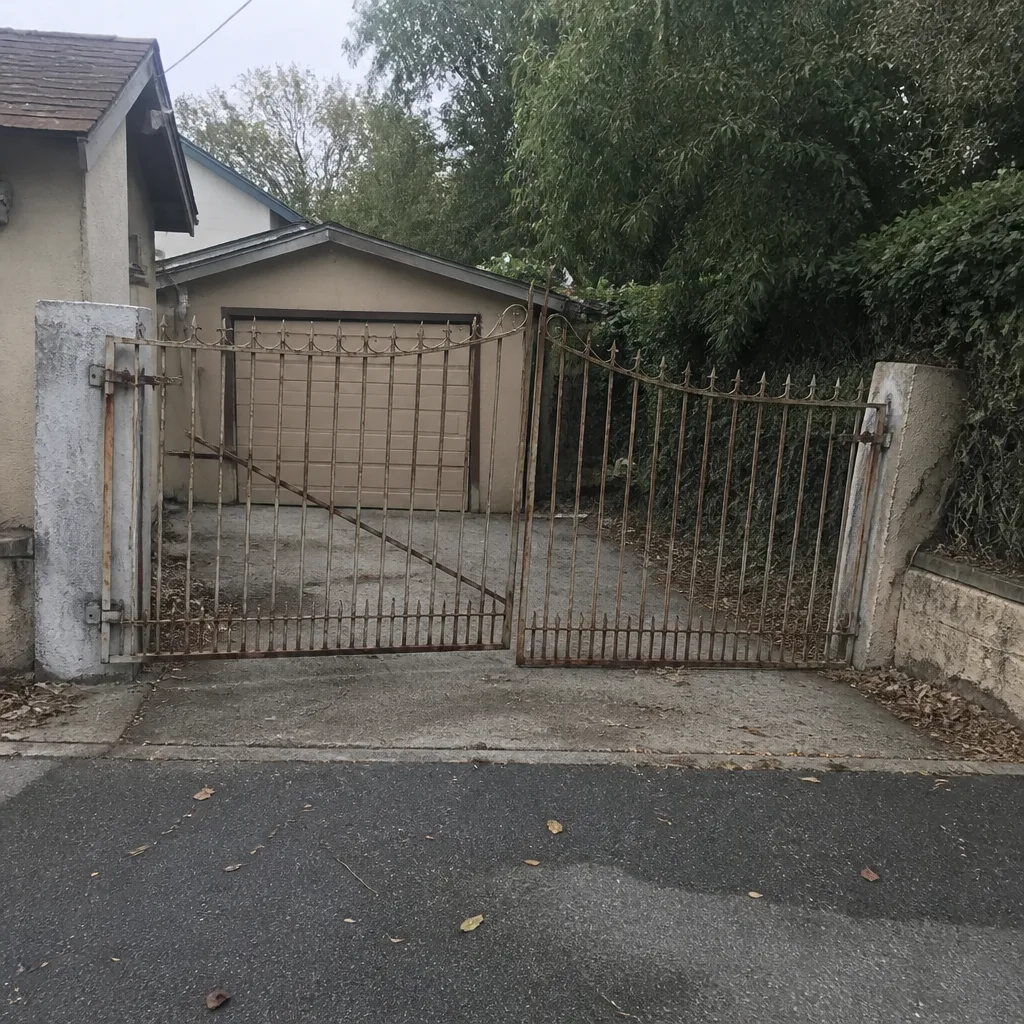
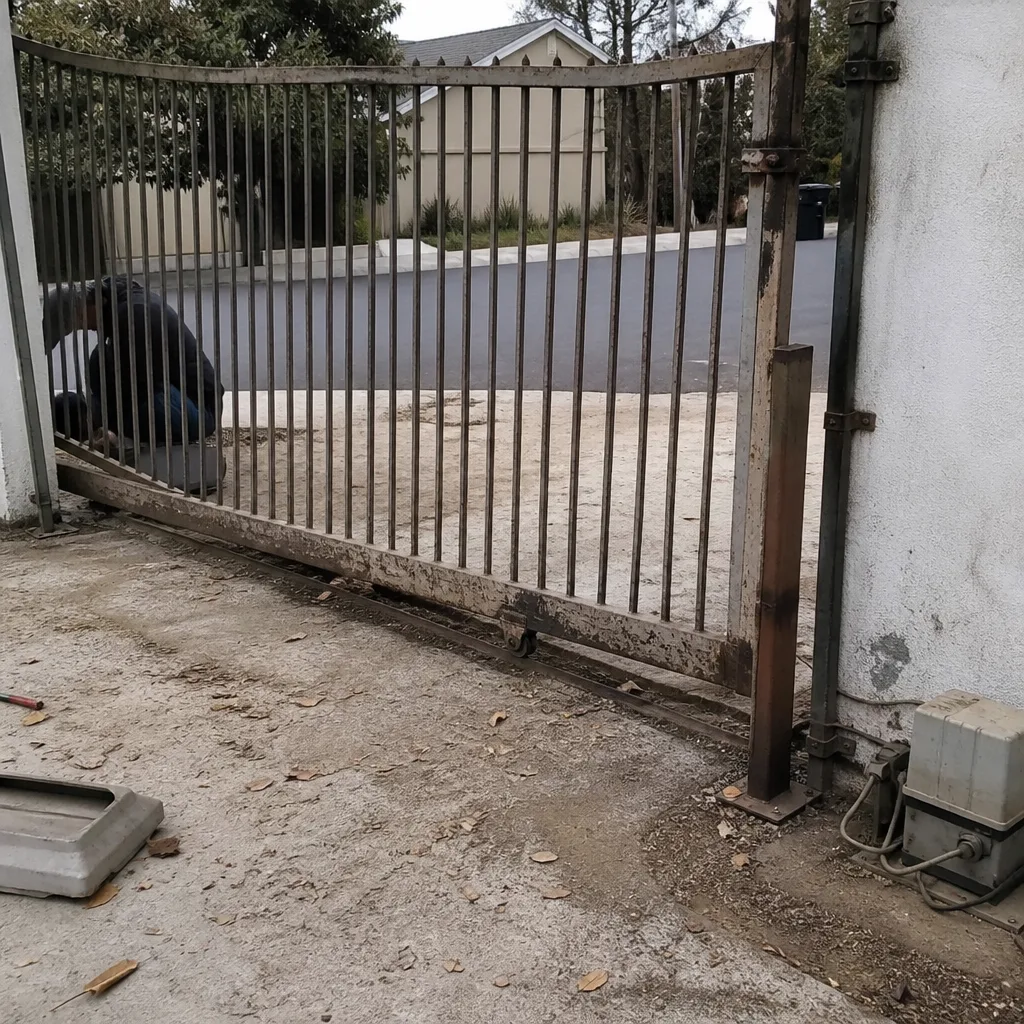 Before
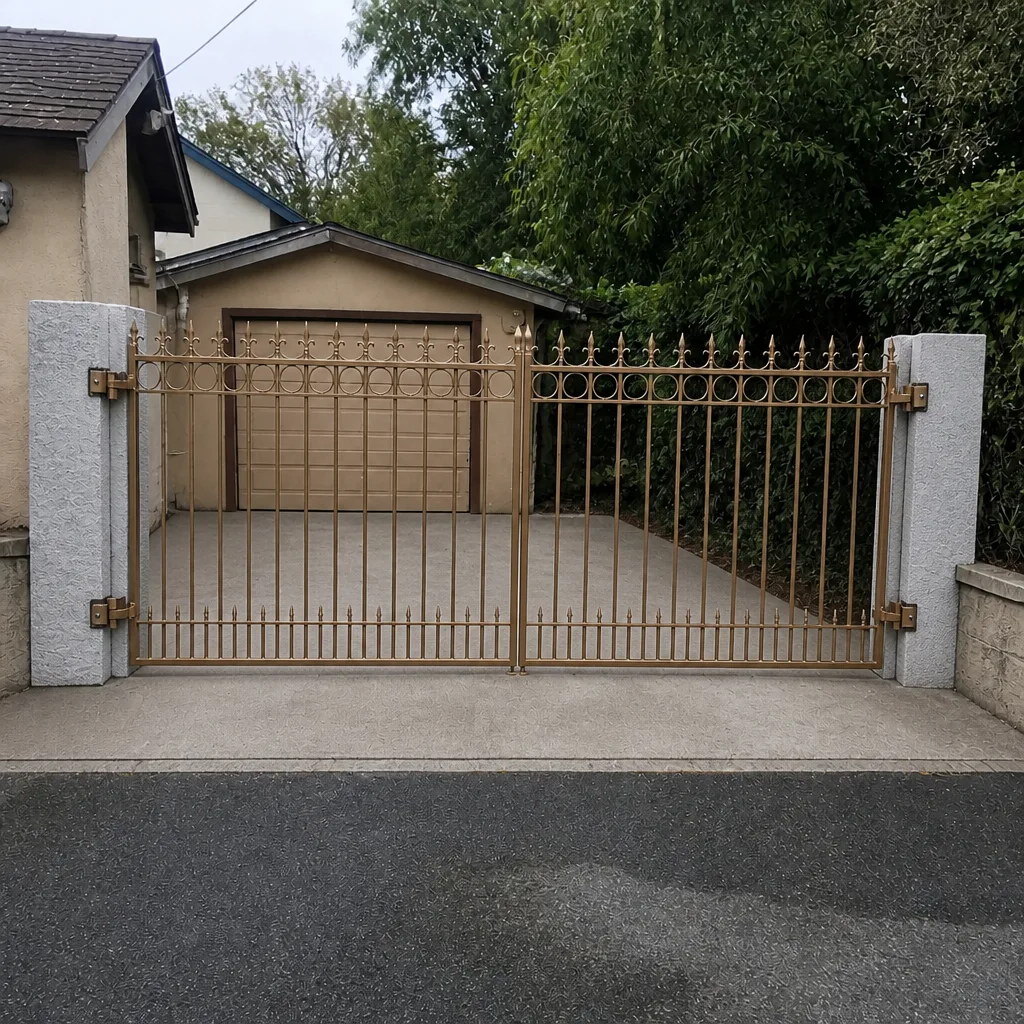
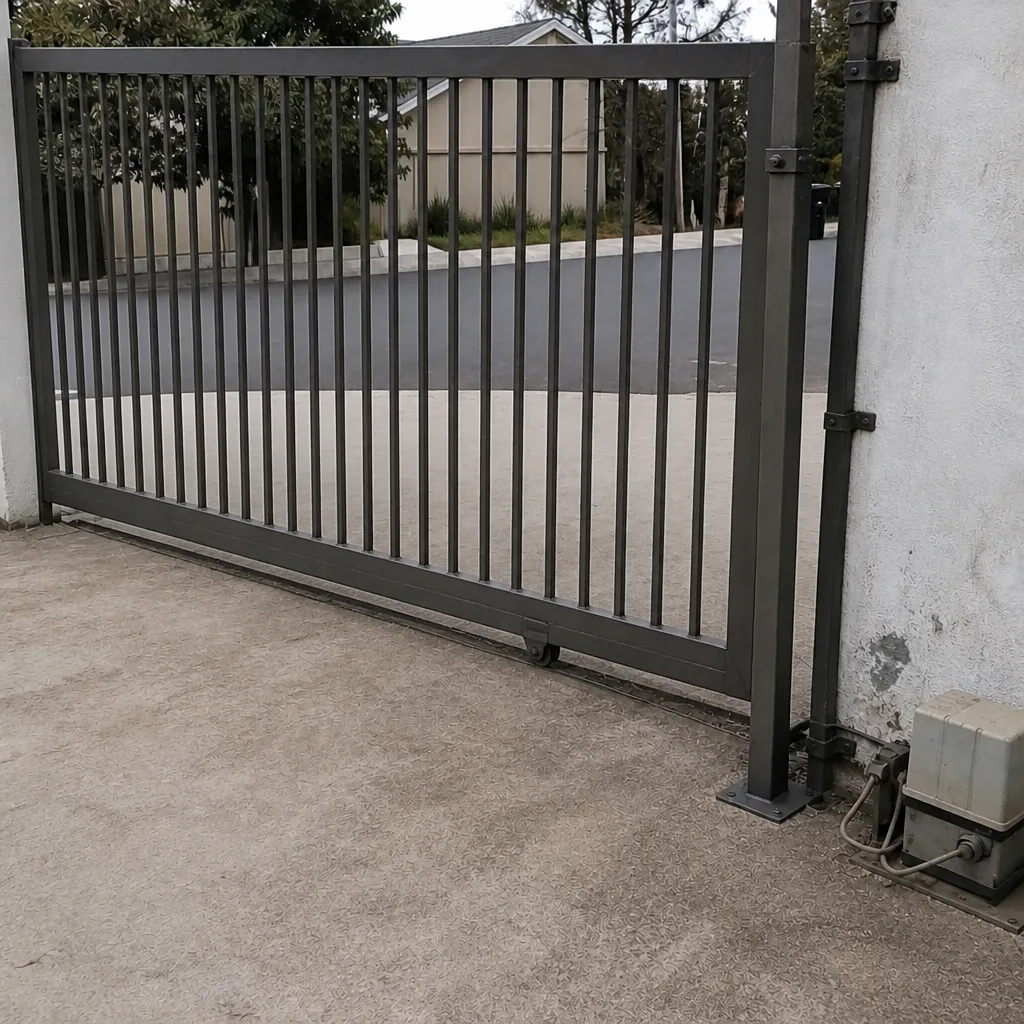 After
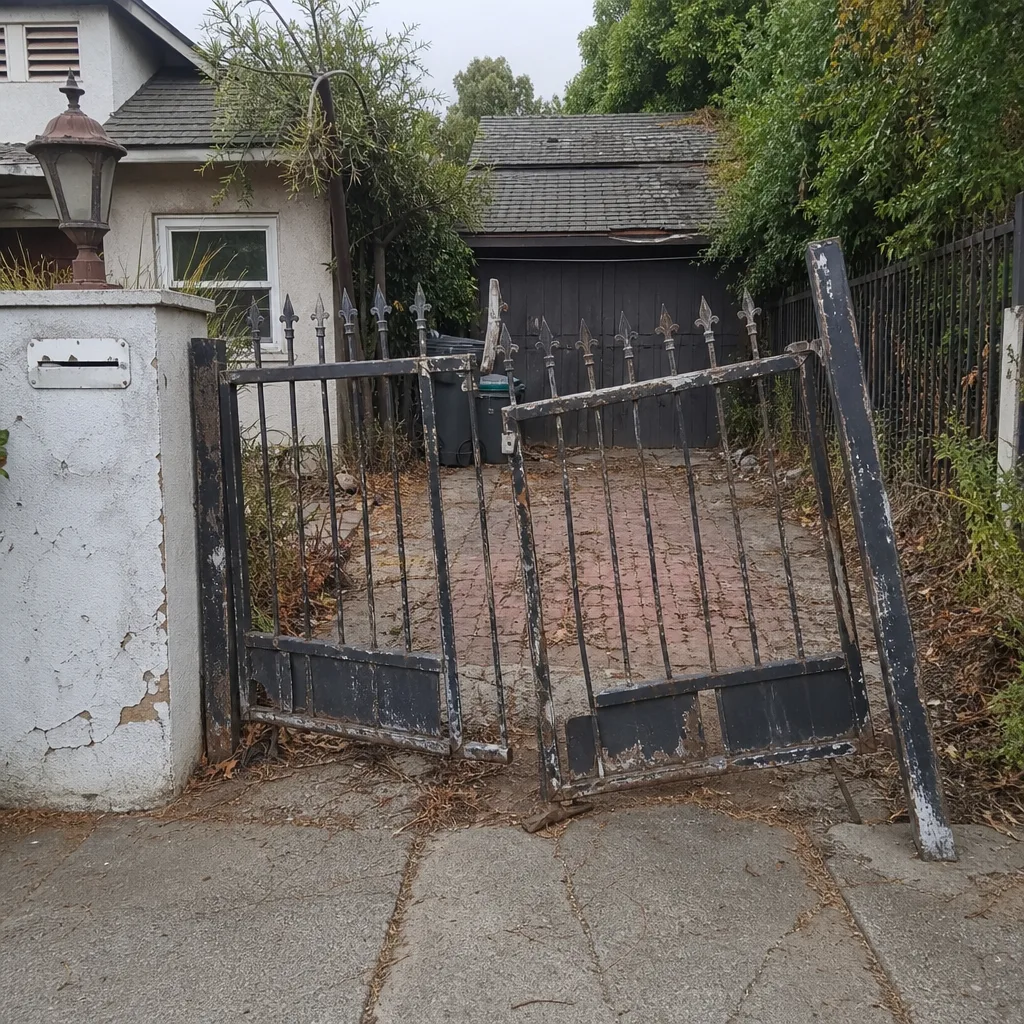 Before
 After
 Before
 After