
Last updated November 4, 2026
 Wrought iron
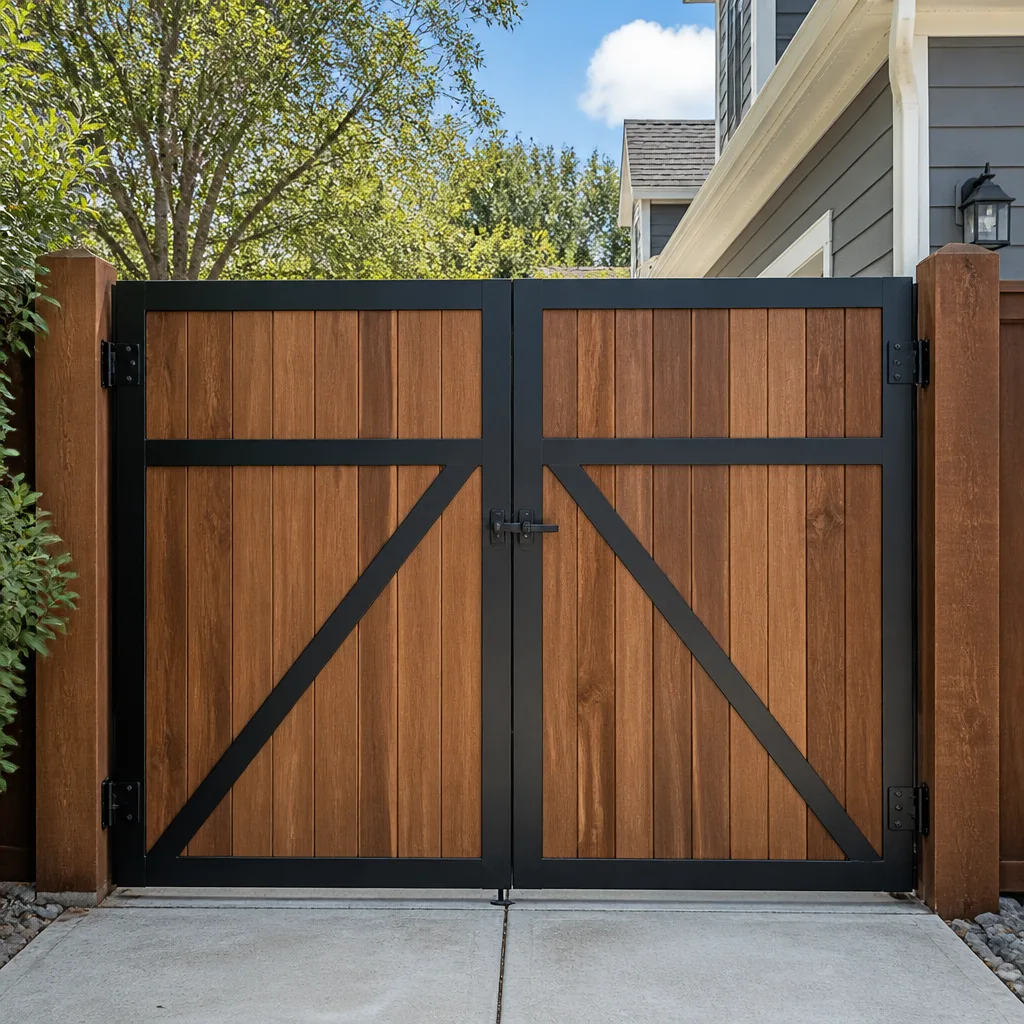 Wood & steel frame
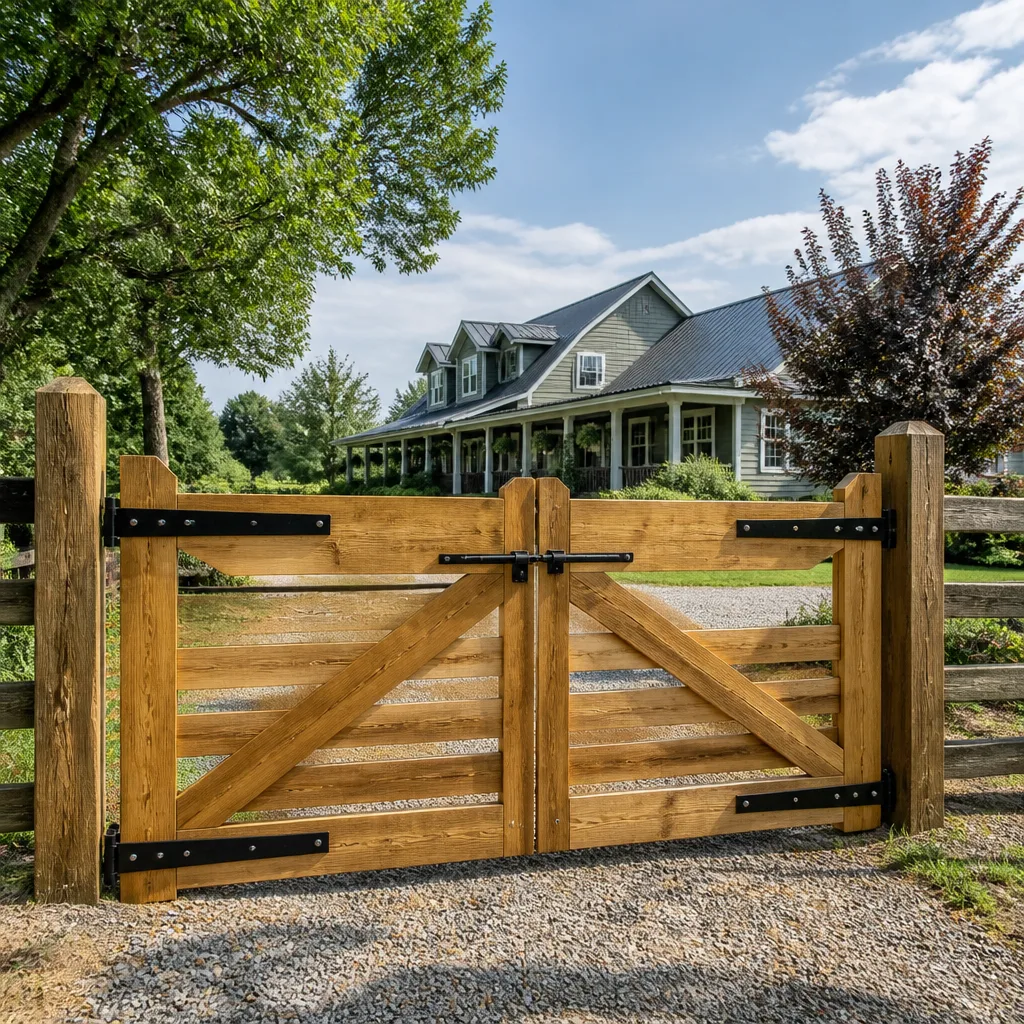 Farm & ranch
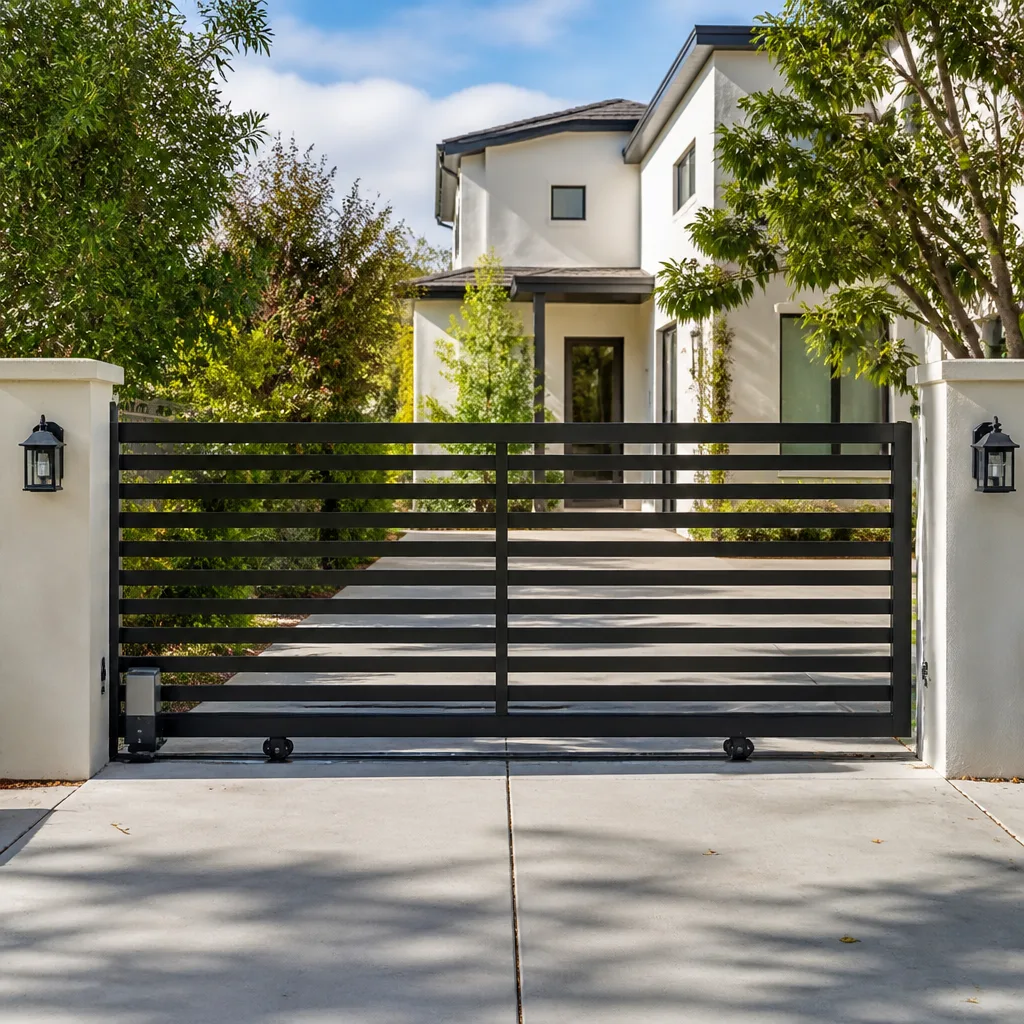 Sliding driveway gates
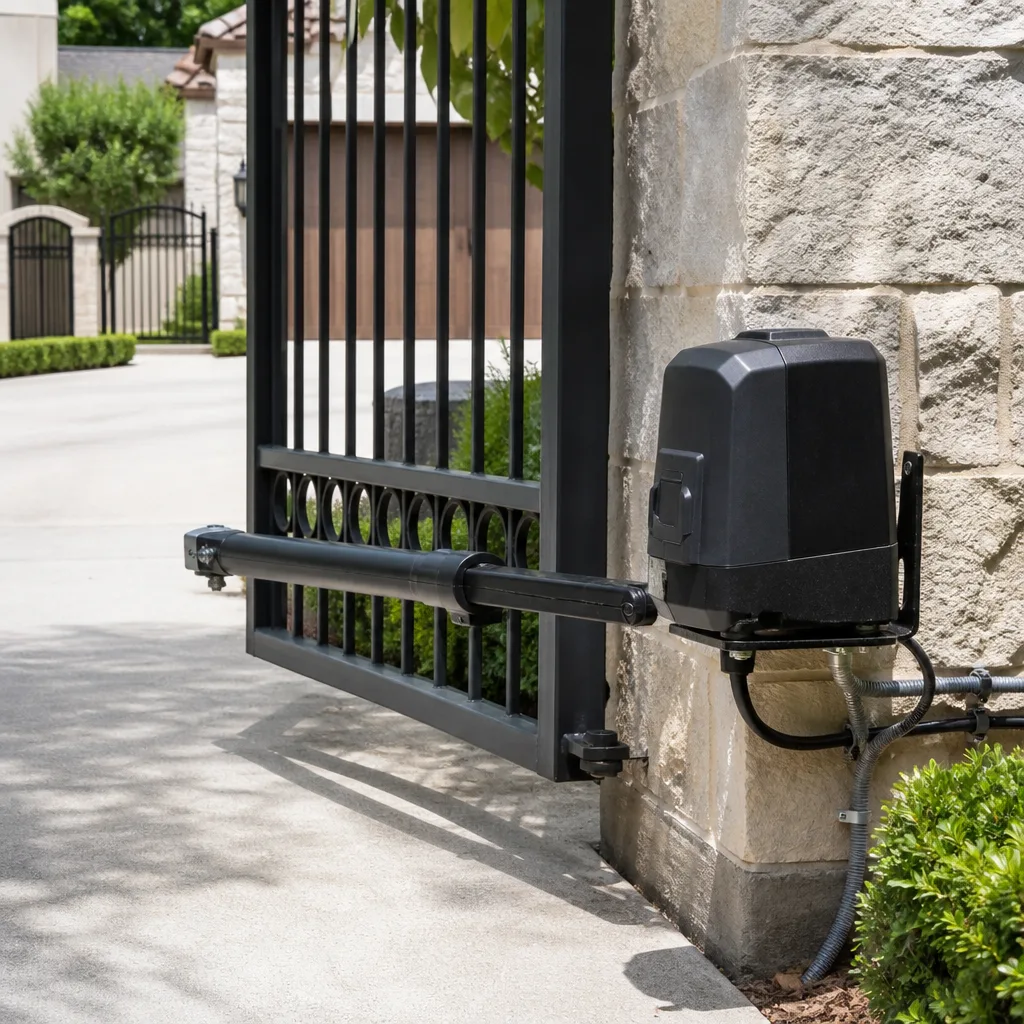 LiftMaster operators
Free on-site gate assessment - hinges, posts, and your LiftMaster or Nice gate operator checked before anything is quoted
The assessment is free and the quote is the invoice.
Get your free estimateGate Repair Maintenance Checklist for Highland Park Homeowners
The number-one maintenance mistake Highland Park homeowners make isn’t skipping lubrication. It’s lubricating the wrong components with the wrong product, which accelerates wear on chain-drive operators and voids manufacturer warranties on brands like LiftMaster and Viking. This guide replaces the generic one-size-fits-all checklist with a Highland Park-specific framework built around slope angle, marine-layer moisture, and the operator brand on your property. By the end, you’ll know exactly what to inspect, what to leave alone, and when a specialist should take over.
Quick Answer
A gate maintenance checklist for Highland Park homeowners should be sorted by gate type (swing, sliding, overhead) and performed quarterly, with photo-eye alignment checked more often due to soil movement. The most important tasks are cleaning debris from tracks and hinges, inspecting weld points for rust that signals structural compromise, testing safety sensors, and lubricating only the components your specific operator brand approves. Skip the spray lubricant aisle at the hardware store; brand-specific products from Linear, Viking, Ghost Controls, and DoorKing cost a few dollars more and prevent the damage that generic products cause.
Styles & brands we work with
- Wrought iron
- Wood & steel frame
- Farm & ranch
- Sliding driveway gates
- LiftMaster operators
Table of Contents
- First, Identify Your Gate Type
- Highland Park’s Seasonal Maintenance Rhythm
- Swing Gate Checklist: Hinges, Stops, and Weld Points
- Sliding Gate Checklist: Track, Rollers, and Soil Movement
- Overhead Gate Checklist: Operators, Gears, and Tension
- Lubrication by Brand: What to Use, What to Avoid
- The Repair History Log: Spotting Patterns Before Failure
- Common Mistakes to Avoid
First, Identify Your Gate Type
Every maintenance checklist that doesn’t start with gate type is already wrong. A swing gate on a sloped Highland Park driveway wears differently than a sliding gate on a flat lot on the other side of the Arroyo Seco. And an overhead gate shares almost nothing in common with either. Before you pick up a wrench or a can of lubricant, know what you’re standing in front of.
This matters because the failure points are entirely different. A swing gate’s stress concentrates at the hinge welds and the operator arm. A sliding gate’s stress concentrates at the track, the rollers, and the catch post. An overhead gate has a chain or belt, a gear assembly, and a logic board that responds to commands. Treating all three the same is how small problems become full gate replacements.
Here’s the quick breakdown:
- Swing gates: Most common on Highland Park hillside lots with single-car driveways. They pivot on post hinges. Look for sag, hinge wear, and operator strain.
- Sliding gates: Common on wider lots and properties with longer setback distances. They ride on a ground track or cantilever rollers. Look for track debris, roller wear, and misalignment.
- Overhead gates: Less common for driveways but still present, especially on shared garage approaches. They lift vertically or follow a curved track. Look at chain tension, gear wear, and sensor alignment.
We’ve worked on all three types across gate repair jobs in Highland Park, and the most common pattern we see is a homeowner applying a swing-gate checklist to a sliding gate. That’s not maintenance; that’s guesswork. Identify the type first, then follow the matching section below.
Highland Park’s Seasonal Maintenance Rhythm
Highland Park doesn’t get freeze-thaw cycles or snow load, which is good news for metal gates. What it does get is a marine layer that creeps in from the west most mornings, especially in late spring and early summer. That moisture settles on exposed metal, condenses on hinges and weld points, and speeds up oxidation in ways that dry inland heat never will.
Soil movement is the other Highland Park variable. The hillsides that give this neighborhood its character also shift with seasonal rain and drought cycles. A gate that sat level in March might be slightly out of plumb by September, not because the gate moved but because the ground under the posts did. That movement pulls photo-eye sensors out of alignment, which is one of the most common reasons an automated gate stops responding or reverses for no apparent reason.
Given those conditions, this is the maintenance rhythm we recommend for Highland Park homeowners:
- Quarterly (every 3 months): Clean tracks and hinges, inspect welds, test safety sensors, run the gate through a full open-close cycle while listening for new noises.
- After heavy rain: Check for soil erosion around posts, clear debris that washed onto tracks, and verify drainage paths are still moving water away from the operator housing.
- Twice yearly: Lubricate approved components, tighten visible fasteners, and check operator housing for moisture intrusion or insect nests.
- Annually: Have a specialist run a full diagnostic on the operator’s control board, motor, and low-voltage wiring. This is the one we recommend doing professionally, not as a DIY project.
The quarterly cadence is faster than most national guides recommend, and that’s intentional. Marine-layer moisture and hillside soil movement compress the degradation timeline here. A gate that would be fine with annual checks in the Valley needs attention four times a year in Highland Park.
Swing Gate Checklist: Hinges, Stops, and Weld Points
Swing gates are the most common gate type on Highland Park hillside properties, and they have the most predictable failure points. The checklist below is ordered by how often each item causes problems on the swing gates we service.
Hinge Inspection (Quarterly)
- Listen: Open and close the gate by hand (with the operator disengaged). A squeak or groan at the hinge usually means lubrication, not replacement, but a grinding sound means the hinge pin is wearing unevenly.
- Look for sag: Stand back and sight along the top edge of the gate. If one leaf hangs lower than the other, the hinge is wearing or the post has shifted. A quarter-inch sag triples the work the operator has to do.
- Check for play: Try to lift the gate leaf straight up by the outer edge. More than a fraction of an inch of vertical movement means the hinge barrel is worn and needs replacement before it seizes.
Weld Integrity on Wrought Iron (Quarterly, More Often After Rain)
This is the inspection most Highland Park homeowners skip, and it’s the one that matters most for safety. Wrought-iron gates are welded at the joints, and weld points are where rust starts first. Here’s how to tell the difference between cosmetic oxidation and structural compromise:
- Cosmetic rust is surface-level, orange or brown, and sits on top of the metal. It brushes off with a wire brush and doesn’t change the profile of the weld.
- Structural rust is deeper. You’ll see flaking, pitting, or a crack running along the weld line. The metal looks swollen. If you tap it with a screwdriver handle and flakes fall off, that weld is compromised and needs professional attention.
- Early warning sign: A thin, dark line that follows the weld contour, even if no rust is visible yet. That’s moisture working into a micro-crack. It will become visible rust within a season.
Highland Park’s marine layer makes this worse than homeowners expect. The moisture settles on welds in the early morning, sits in tiny imperfections, and accelerates oxidation. If you catch a dark line at the quarterly check, you’ve caught it before it becomes a structural problem. If you wait until the gate sags under its own weight, you’re looking at welding work or a replacement panel.
Operator Strain Check (Quarterly)
- Watch the operator arm as it moves the gate. If it jerks, hesitates, or pauses mid-travel, the motor is working against resistance somewhere. Don’t adjust the force settings to compensate; find the source of the resistance instead.
- Check the gate’s open and closed stops. If the gate bangs hard against a stop, the operator’s limit settings are off and the gearbox is absorbing shock it wasn’t designed for.
Sliding Gate Checklist: Track, Rollers, and Soil Movement
Sliding gates have a completely different maintenance profile. The gate moves horizontally, so the failure points are the ground track, the rollers or wheels, and the alignment between the gate and its catch post. On Highland Park hillsides, soil movement adds a variable that flat-lot homeowners never deal with.
Track and Roller Cleaning (Quarterly, More After Wind or Rain)
- Clear the track: Remove leaves, gravel, and soil. Highland Park’s eucalyptus trees drop bark that finds its way into track channels, and a single piece of bark can wedge under a roller and throw the gate off its line.
- Check roller condition: Rollers should be round, not flat-spotted. A flat spot means the gate sat in one position too long with weight on the roller. Replace flat-spotted rollers before they chew up the track.
- Verify track fasteners: The track should be firmly anchored. If any fastener is loose or missing, the track can flex under the gate’s weight, which changes the roller path and accelerates wear.
Photo-Eye Alignment (Quarterly, Not Annually)
This is one of the points where Highland Park conditions demand a faster cadence than national guides. Soil movement on hillside lots shifts posts and pads gradually. A photo-eye pair that was perfectly aligned in January can drift out of alignment by April, just from the ground settling after winter rain.
Here’s the quarterly check:
- Look at the two photo-eye sensor housings. They should face each other directly, with no visible angle.
- Run the gate open and closed. If it reverses mid-travel or refuses to close, the photo-eyes are out of alignment or obstructed.
- Clean the sensor lenses with a dry cloth. Marine-layer moisture leaves a film that reduces signal strength.
- If the gate still reverses, call a specialist. The sensors may need mounting adjustment or the brackets may have shifted with the post.
We see photo-eye drift on sliding gates more than any other single issue in Highland Park, and it’s almost always the ground moving, not the gate.
Overhead Gate Checklist: Operators, Gears, and Tension
Overhead gates are less common on Highland Park driveways, but they exist, and they share components with garage door systems while being different enough to require their own checklist. The dangerous parts on an overhead gate are the chain or belt tension and the gear assembly inside the operator. We’ll focus on inspection and what to leave to a professional.
Chain and Belt Inspection (Quarterly)
- Chain tension: A properly tensioned chain has a small amount of deflection when you push down in the center of its run. Too much deflection means the chain is loose and can jump the sprocket. No deflection means it’s over-tightened and stressing the gearbox.
- Belt condition: Belts should be free of cracks, glazing, or frayed edges. Belt drives are quieter than chain drives but wear differently. Replace a cracked belt before it snaps.
- Gear assembly sound: Run the gate and listen at the operator housing. A rhythmic clunk or grind usually means a stripped or worn gear. Don’t try to open the operator housing yourself; there’s high-tension hardware and live low-voltage wiring inside.
Sensor and Limit Testing (Quarterly)
- Place an object (a cardboard box works) in the gate’s path and close the gate. It should reverse immediately on contact with the object. If it doesn’t, the safety sensor system is failing and needs professional attention.
- Check the gate’s open and closed positions. If it stops short or travels too far, the limit settings need adjustment. On most modern operators this is done through the control panel, and the process varies by brand.
If you have an overhead gate with a chain-drive operator from Linear, Viking, Ghost Controls, or DoorKing, the maintenance points above apply, but the lubrication guidance in the next section is where the brand matters most.
Lubrication by Brand: What to Use, What to Avoid
This is the section where the wrong advice costs Highland Park homeowners real money. The most common mistake we see on electric gate repair calls is a homeowner who sprayed WD-40 on a chain-drive operator because a national blog said to lubricate moving parts. It’s not a lubricant; it’s a solvent that strips the manufacturer’s grease and leaves the chain running dry. On nylon gears, regular WD-40 accelerates wear and voids warranties.
Here’s what to use by component and brand:
Chain Drives
- Approved: White lithium grease, applied sparingly to the chain only. The chain should look lightly coated, not dripping.
- Avoid: WD-40, penetrating oil, motor oil, cooking spray. These either strip existing grease or attract dirt that grinds into the links.
- Brand note: LiftMaster and Viking chain drives ship with a specific factory grease. Replacing it with a mismatched product changes the chain’s friction profile and can cause the operator to work harder than intended.
Nylon and Plastic Gears
- Approved: The manufacturer’s specified gear lubricant. For Linear operators, that’s a specific synthetic grease. For Ghost Controls, it’s a different formulation. Check the manual or call the manufacturer with your model number.
- Avoid: Any spray lubricant, any penetrating oil, anything with a solvent base. The solvent attacks the nylon and causes the gear teeth to wear prematurely.
- Why this matters: A stripped nylon gear is one of the most common overhead and swing gate operator failures, and a significant percentage of those failures trace back to the wrong lubricant being applied during routine maintenance.
Hinges and Rollers
- Approved: A light machine oil or a silicone-based lubricant. These penetrate the hinge pin and reduce friction without attracting excessive dirt.
- Avoid: Heavy grease on hinges. It looks like protection but it’s actually a dirt trap. Highland Park’s fine soil particles mix with heavy grease and form an abrasive paste that wears hinge pins faster than no lubrication at all.
What DoorKing and Ghost Controls Owners Specifically Need to Know
DoorKing operators use a worm gear that requires a specific lubricant, and the company’s warranty documentation is clear about using only approved products. Ghost Controls uses a different drivetrain design, and the lubrication points are fewer but more specific. If you don’t have the manual, call the manufacturer or ask a gate specialist. Guessing wrong on these brands costs more than the right lubricant ever will.
The Repair History Log: Spotting Patterns Before Failure
Individual maintenance tasks keep a gate running today. A repair history log tells you what’s going to fail next month or next season. This is the most underused tool in gate maintenance, and it’s the one that separates Highland Park homeowners who get proactive replacements from those who get emergency calls.
Here’s the template we recommend, kept on a clipboard in the garage or a digital note:
Gate Maintenance Log Template
Date of service: [Date]
Component inspected or repaired: [Hinge, track, chain, sensor, operator, weld, etc.]
Action taken: [Lubricated, tightened, replaced, adjusted]
Brand and part if replaced: [Example: DoorKing roller, Linear sensor bracket]
Next check due: [Date]
The power of this log isn’t the individual entries; it’s the patterns that emerge over time. If you’re tightening the same hinge bolt every quarter, the real problem is the hinge barrel or the post, not the bolt. If you’re replacing photo-eye sensors twice a year, the post is moving and the sensor isn’t the problem. If the operator keeps tripping the same error code, the control board is failing intermittently, not randomly.
Without a log, each repair feels like a new random event. With one, the patterns become obvious. That’s how you replace a wearing roller before it destroys a track instead of after. That’s how you catch a failing gear before it strips and leaves your gate stuck open or closed. And that’s how you make a smarter decision about when to repair versus when to think about a new gate installation.
We recommend reviewing the log every six months, not just adding to it. Patterns hide in the aggregate. A fifteen-minute review can surface a problem that’s been building for a year.
Common Mistakes to Avoid
- Using WD-40 or penetrating oil on any gate component. It strips factory grease from chains and attacks nylon gears. If you’ve already done this, have a specialist inspect the drivetrain before the damage escalates.
- Applying heavy grease to hinges. Highland Park’s fine hillside soil mixes with grease to form an abrasive paste. Use a light machine oil or silicone-based lubricant instead.
- Checking photo-eye alignment annually instead of quarterly. Soil movement on Highland Park hillsides shifts posts and sensor brackets faster than flat-lot conditions. Annual checks miss failures that happen in months.
- Confusing cosmetic rust with structural rust on wrought-iron welds. Surface rust is manageable. A dark line along a weld or flaking metal is a structural warning. Ignoring the difference leads to sagging gates and expensive welding work.
- Adjusting operator force settings to push through resistance. If the gate struggles to move, the operator is fighting something. Increasing force masks the problem and burns out the motor. Find the resistance instead.
- Skipping the repair history log. Individual maintenance tasks feel disconnected without a record. The log reveals patterns and turns reactive repairs into proactive replacements.
- Treating all gate types with one checklist. Swing, sliding, and overhead gates fail in entirely different ways. A swing-gate checklist applied to a sliding gate misses the track, rollers, and photo-eye issues that matter most on that system.
See the difference
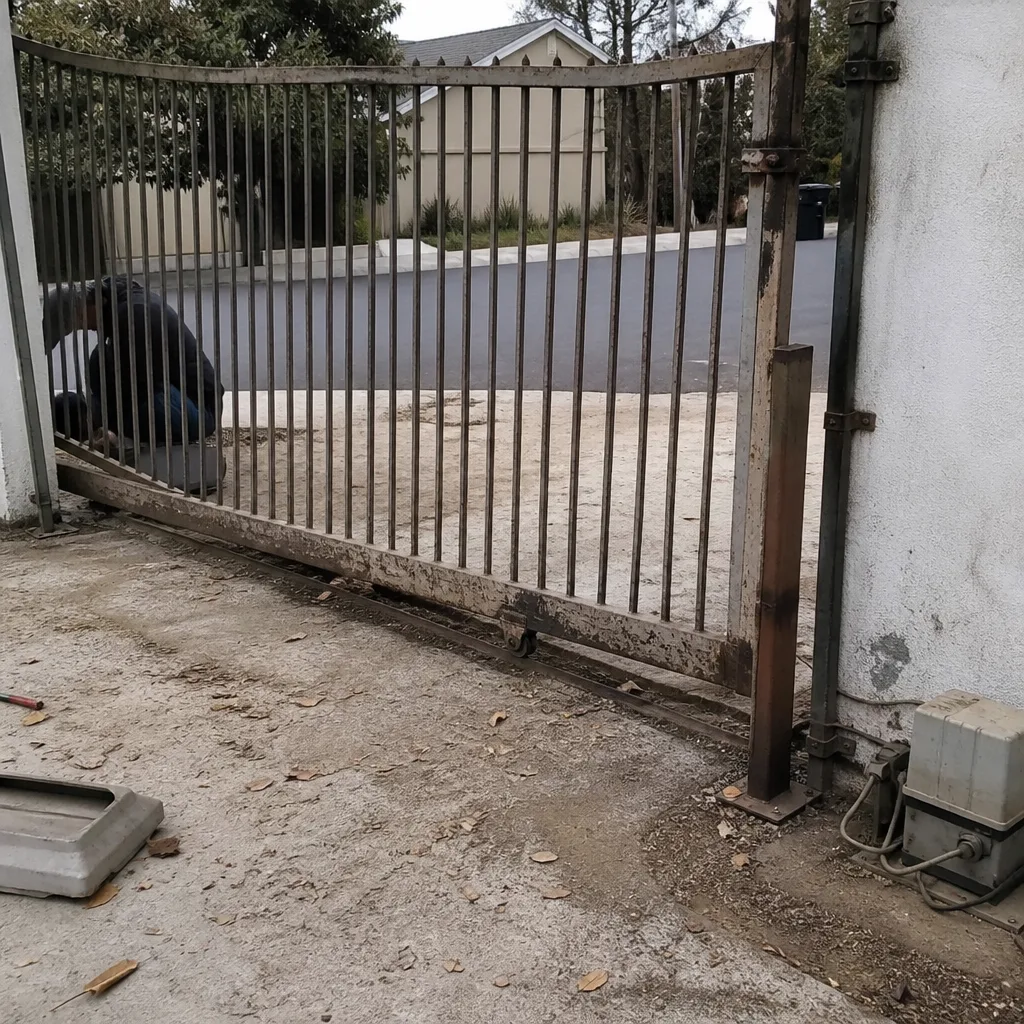 Before
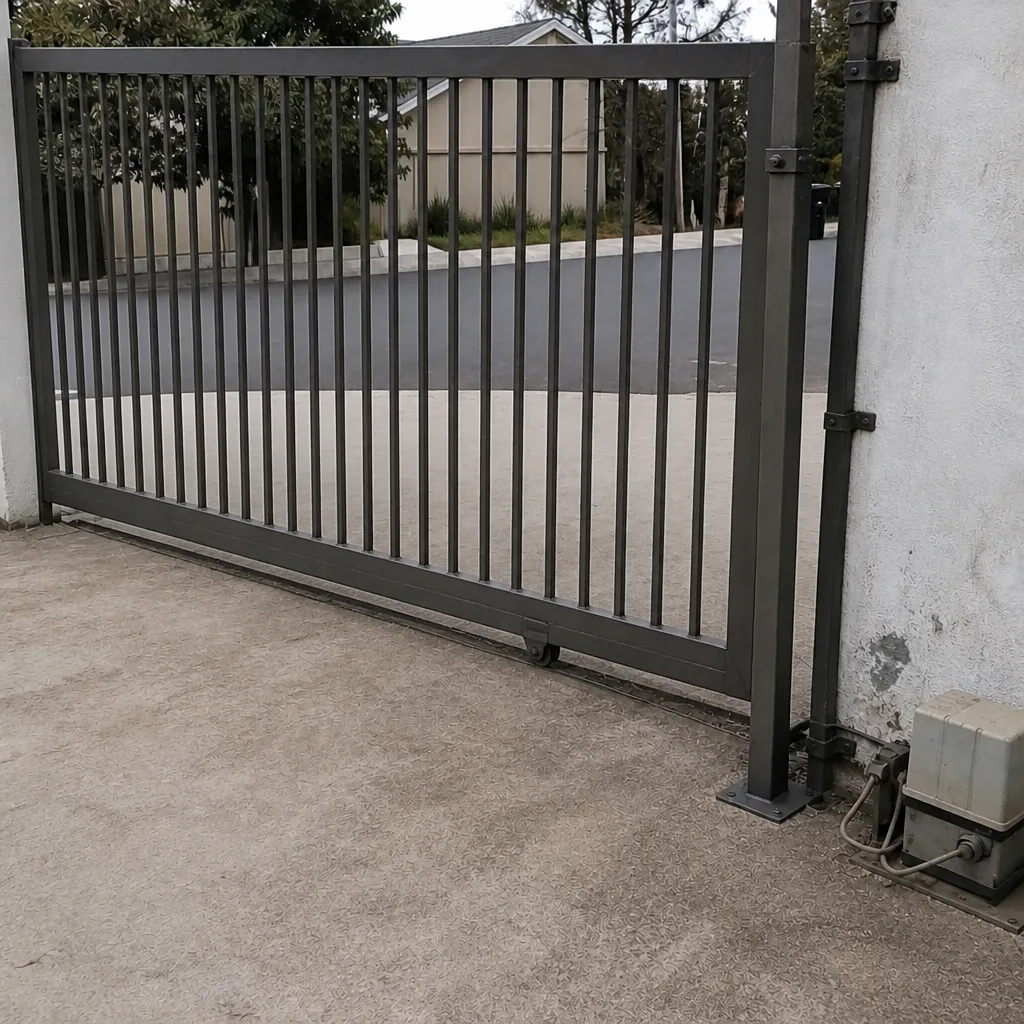 After
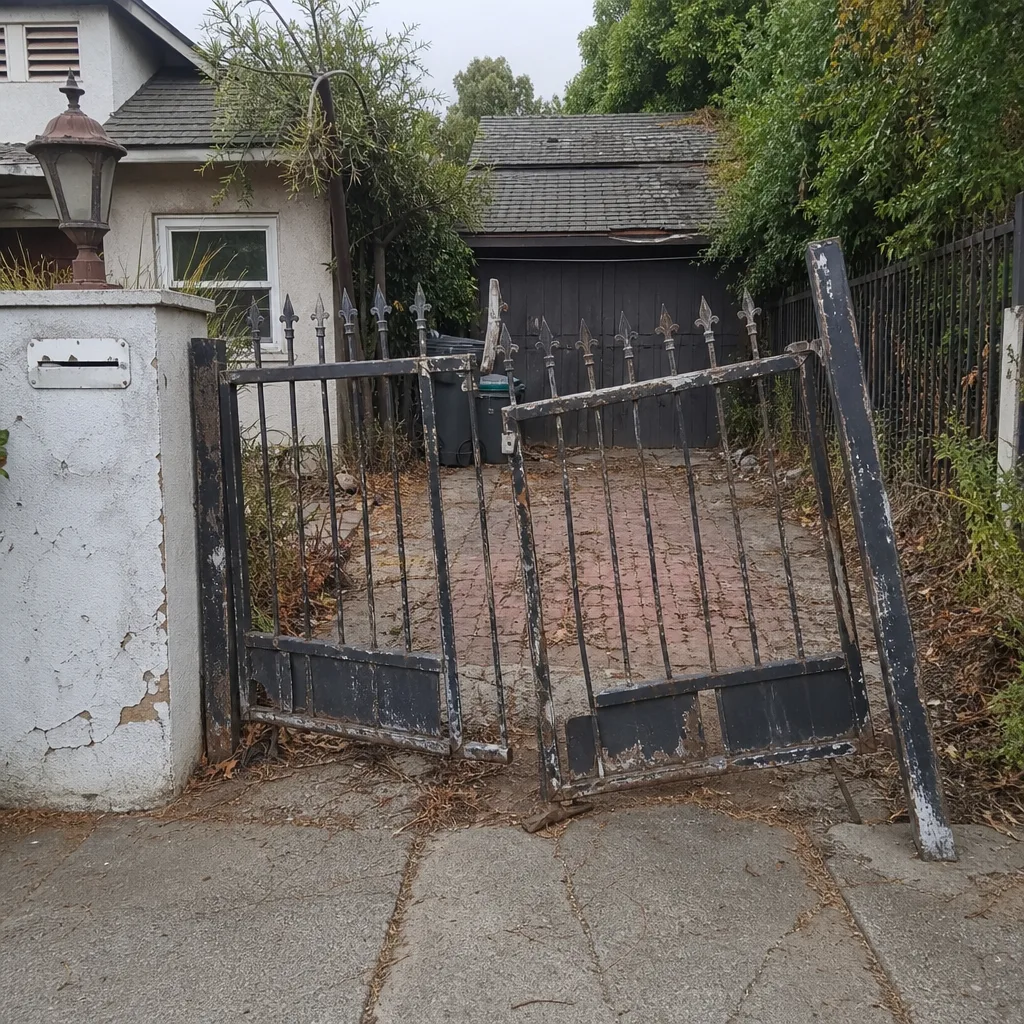 Before
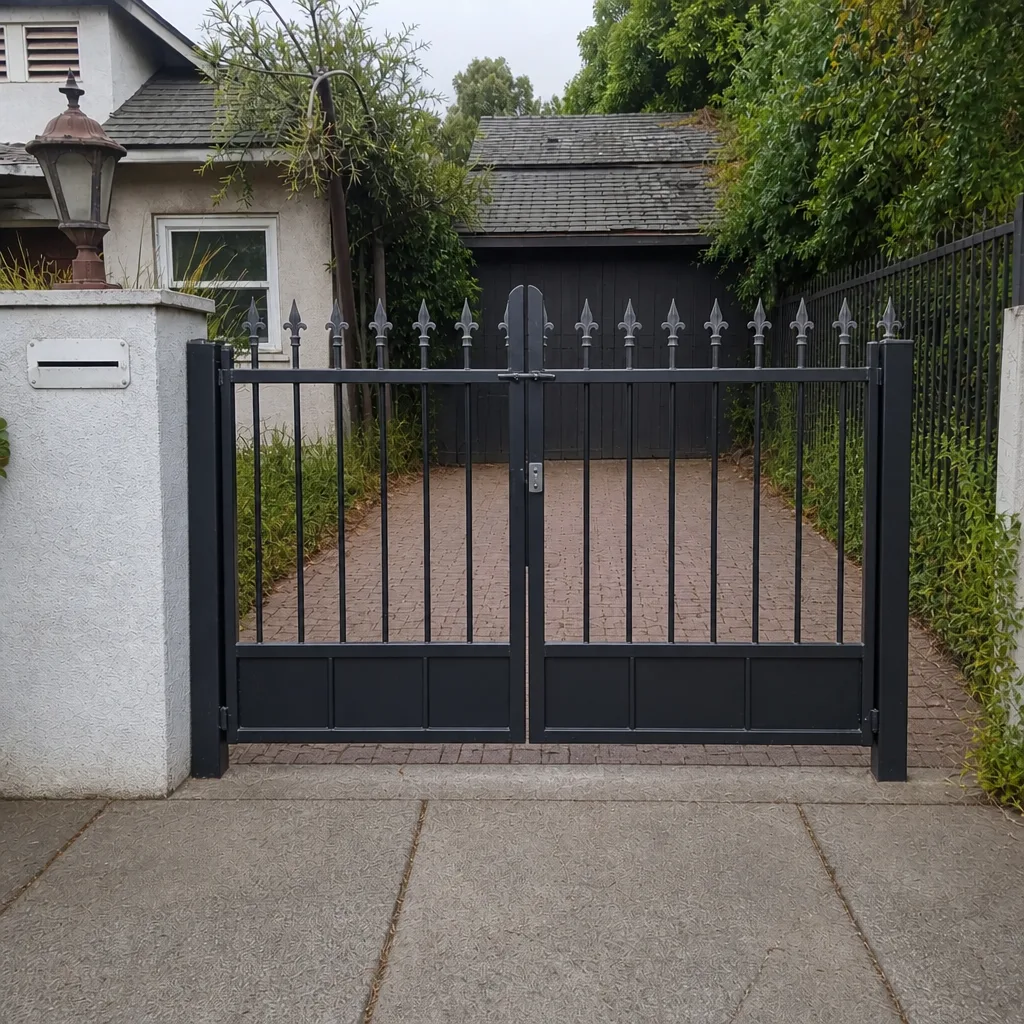 After
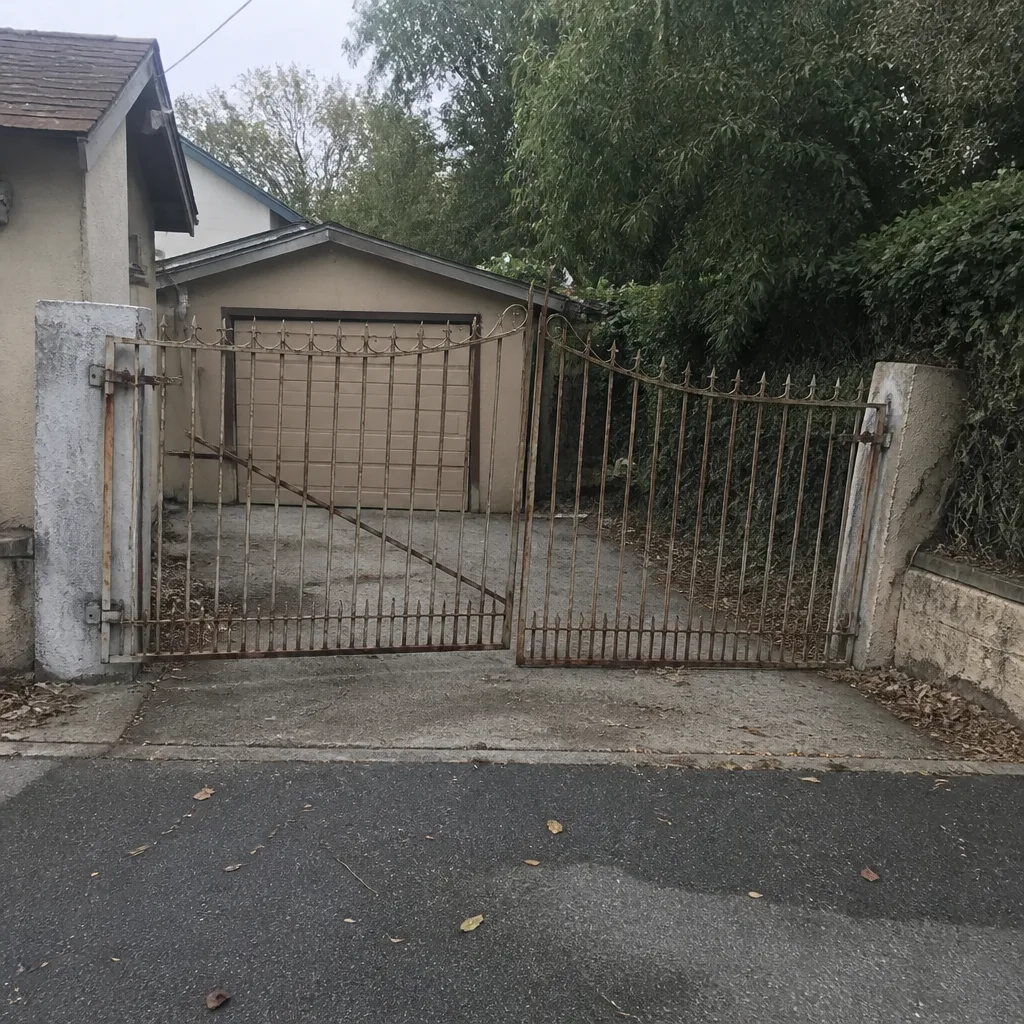 Before
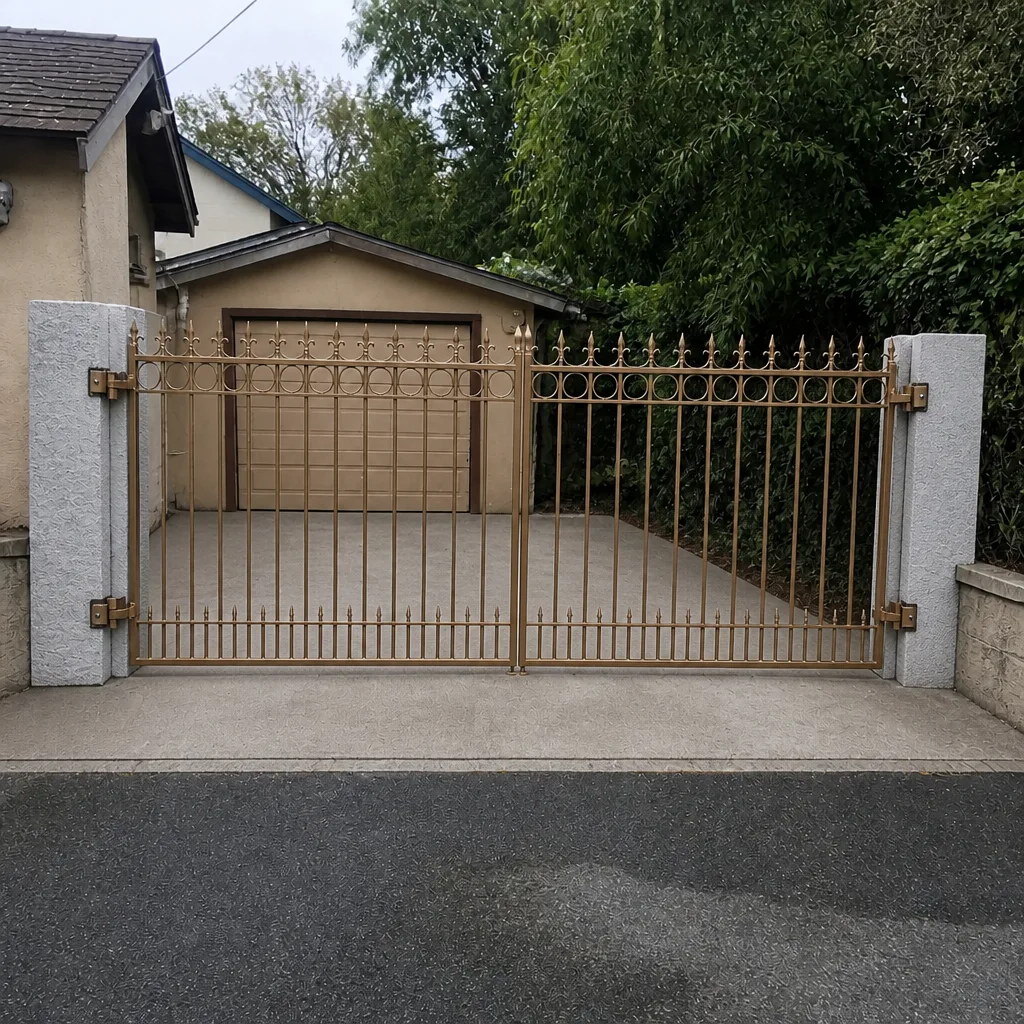 After
When to Call a Professional
Some gate maintenance is meant for the homeowner. Some is not. The line is drawn at high-tension hardware, live low-voltage wiring, and structural welds. If a weld is showing signs of structural compromise, don’t try to wire-brush and repaint your way out of it; the metal needs professional assessment. If an overhead gate’s chain or belt is tensioned wrong, the gear assembly is under stress, and the wrong adjustment can make things worse quickly. If the operator’s control board is throwing error codes or the motors are running hot, that’s a diagnostic job for someone who works on the specific brand installed on your property.
Sentinel Gate Repair is the gate-only specialist serving Highland Park, with hands-on experience across Linear, Viking, Ghost Controls, DoorKing, and the other major brands. We’re gate specialists, not generalists, which means the technician who arrives already knows the system before opening the van door. Call (855) 490-6590 for a free estimate. We answer 24/7. Fast dispatch from 7am to 7pm, Sunday through Friday.
Frequently Asked Questions
Quarterly is the right cadence for Highland Park because marine-layer moisture and hillside soil movement accelerate wear faster than flat, dry neighborhoods. That means checking hinges, tracks, welds, and photo-eyes every three months, with additional checks after heavy rain.
Yes, but only with the right product for your operator’s brand. White lithium grease is safe for most chain drives. Nylon gears require brand-specific lubricants from manufacturers like Linear or LiftMaster. Avoid WD-40 and other solvents; they strip factory grease and damage nylon components. If you’re not sure what’s installed, call (855) 490-6590 and we’ll help you identify it.
Reversal mid-travel usually means the photo-eye safety sensors are out of alignment or obstructed. On Highland Park hillsides, soil movement shifts the posts or brackets the sensors mount to, which pulls them out of alignment. Clean the lenses and check their facing; if the problem persists, the sensors need professional realignment.
Cosmetic rust sits on the surface and brushes off. Structural rust shows as flaking, pitting, or a dark line running along a weld contour. If you tap a weld and metal flakes fall away, that joint is compromised and needs welding work. Highland Park’s morning marine layer speeds this up, so check welds quarterly.
Start with the simplest checks: confirm the operator has power, clear any debris from the track or hinge path, and look at the photo-eye sensors. If those are clear and the operator still won’t respond, the problem is likely in the control board or low-voltage wiring. Call (855) 490-6590 for a free estimate. We answer 24/7. Fast dispatch from 7am to 7pm, Sunday through Friday.
We work on the major residential and commercial gate brands, including Linear, Viking, Ghost Controls, DoorKing, LiftMaster, FAAC, BFT, Elite, and Mighty Mule. We know these systems before we arrive, which means right diagnosis on the first visit instead of trial-and-error guesswork.
The Bottom Line
A gate maintenance checklist that ignores gate type, brand, and Highland Park’s specific climate is a checklist that creates problems instead of preventing them. The right approach starts with identifying whether you have a swing, sliding, or overhead gate. It uses quarterly photo-eye checks because soil movement demands them. It uses brand-approved lubricants because the wrong spray can void a warranty and strip a gear. And it keeps a repair history log because patterns reveal what individual fixes never will. For everything beyond routine inspection, a gate specialist who knows your specific brand is the difference between a tuned system and a collapsing one.
Written by the team at Sentinel Gate Repair, serving Highland Park since 2016.