
Last updated November 4, 2026
 Wrought iron
 Wood & steel frame
 Farm & ranch
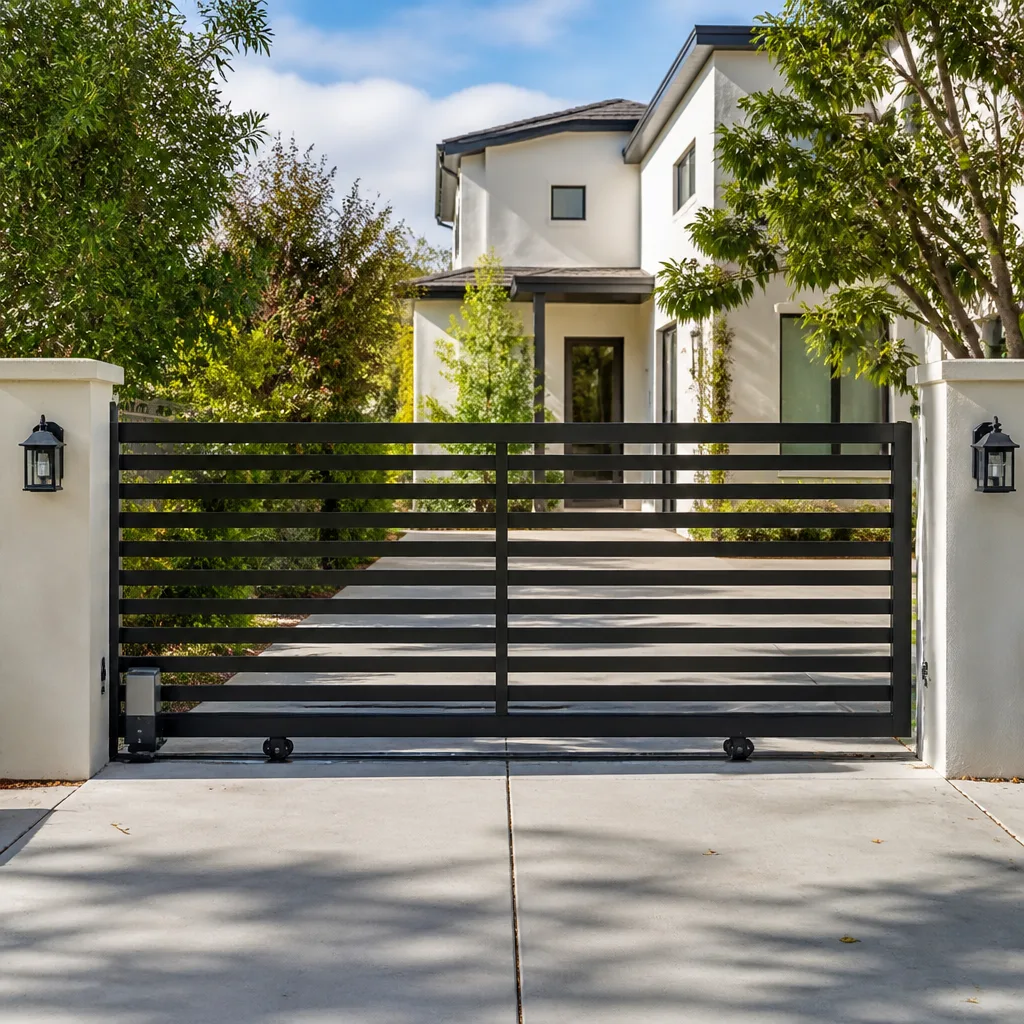 Sliding driveway gates
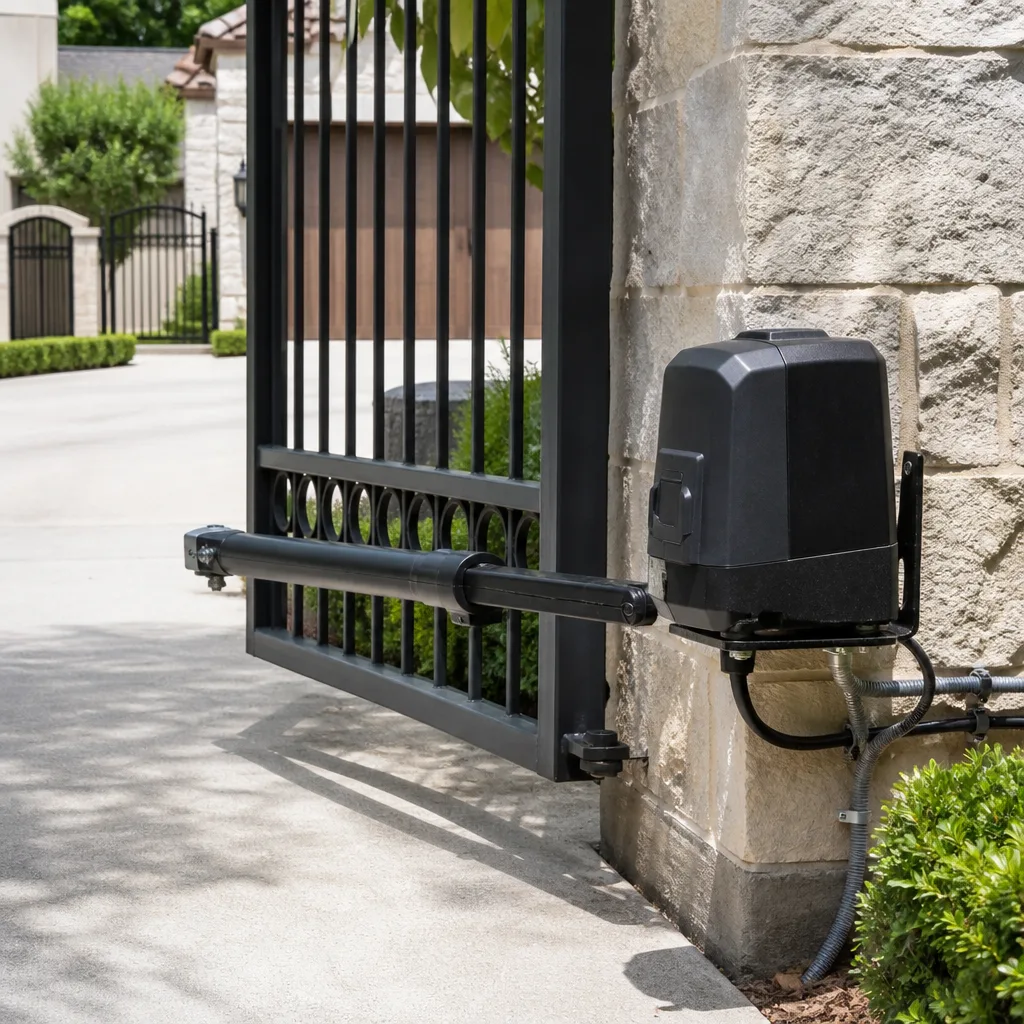 LiftMaster operators
Free on-site gate assessment - hinges, posts, and your LiftMaster or Nice gate operator checked before anything is quoted
The assessment is free and the quote is the invoice.
Get your free estimateGate Repair Maintenance Schedule: What to Do and When
Most gate maintenance advice treats every system as if it ages on a calendar. Lubricate in spring, inspect in fall, repeat. That framework fails because two gates installed on the same day in Highland Park can have wildly different wear by year three. A swing gate motor cycling twenty times a day crosses a meaningful wear threshold in under two years. The same motor on a quiet residential driveway might not reach that point for six. The correct schedule is built around how many cycles your gate actually completes, what seasonal conditions it faces, and which drive type moves it. This guide replaces vague calendar reminders with a maintenance map tied to how gates genuinely age here.
Quick Answer
A residential gate in Highland Park needs a thorough inspection and lubrication every 6 months or roughly every 3,000 cycles, whichever comes first. Commercial gates hitting 60 to 100 cycles daily need attention every 2 to 3 months. Swing arm operators, underground actuators, and slide drives each have distinct wear points that determine what gets checked when. The schedule that matters is driven by cycle count and seasonal stress, not by a fixed date on the wall calendar.
Styles & brands we work with
- Wrought iron
- Wood & steel frame
- Farm & ranch
- Sliding driveway gates
- LiftMaster operators
Table of Contents
- Why Cycle Counts Matter More Than Calendar Months
- Maintenance Maps for the Three Main Drive Types
- How Highland Park’s Two Seasons Change Your Schedule
- What to Actually Check on Hinges: Deferred Repair vs. Maintenance
- Keeping a Gate Maintenance Journal That Pays Off
- Brand-Specific Intervals: FAAC, BFT, and LiftMaster
- Common Mistakes to Avoid
- When to Call a Professional
Why Cycle Counts Matter More Than Calendar Months
A gate cycle is one full open and close. Every component in your gate system has a finite number of cycles in it before wear changes how it behaves. Motors have brush life and gear wear. Hinges develop play. Chain drives stretch. Limit switches drift. None of these care what month it is. They care how many times they have moved.
Here is the practical cycle math for Highland Park. A residential gate on a single-family property sees maybe 8 to 15 cycles on a typical day. That is roughly 3,000 to 5,500 cycles per year. A small HOA entrance gate in the hills above Highland Park might see 40 to 80 cycles daily, putting it at 15,000 to 30,000 cycles annually. A commercial loading gate with constant traffic can exceed 100 cycles a day, passing 36,000 cycles in a single year.
This is why one gate needs service quarterly and another can go eighteen months between inspections. The calendar approach treats them the same. The cycle approach tells you which gate is actually working harder. At Sentinel Gate Repair, we base maintenance recommendations on how the gate is used, not on a generic date that ignores usage entirely.
Simple Cycle Thresholds for Every Gate
- Every 1,500 to 2,000 cycles: Visual inspection of hinges, wheels, chain tension, and limit switch operation. Listen for new noises during operation. Check safety edges and photo eyes on automated gates.
- Every 3,000 cycles: Full lubrication pass, hinge wear measurement, bolt torque check, control board inspection, and battery health check on backup systems. This is the residential six-month mark for most homes.
- Every 10,000 cycles: Drive component evaluation. Swing arm joints show measurable play. Chain drives need tension adjustment. Underground actuators may need fluid or seal inspection. This is where maintenance and early repair overlap.
- Every 20,000 cycles: Component replacement planning begins. Motors may still run, but brushes, gears, and capacitors are showing wear. Catching these before failure avoids a gate stuck open at the property line.
If your gate has no cycle counter, estimate it. Count cycles for one week, multiply by 52, and you have a workable annual figure. A simple tally on a notepad works fine. The point is to know whether your gate is a low-traffic driveway unit or a high-traffic access point.
Maintenance Maps for the Three Main Drive Types
Your gate’s drive type determines where wear concentrates. A swing gate on an arm operator stresses completely different components than a slide gate on a chain drive. Generic maintenance advice fails here because it treats all of these as one machine. They are not. Here is what each system actually needs and when.
Swing Arm Operators (Articulated Arm and Linear Ram)
Swing arms are the most common residential drive type in Highland Park. The arm pushes or pulls the gate leaf through an arc. The failure points are the arm joints, the attachment brackets, and the motor’s internal gearing.
- Monthly, high-traffic gates; quarterly, residential: Inspect arm pivot joints for play. Grab the arm near the gate attachment and attempt to move it vertically. Any clunking or visible slop means a bushing is wearing.
- Every 3,000 cycles: Grease the arm pivot points. Check that the gate leaf has not sagged on its hinges, which forces the arm to work against gravity and accelerates motor wear.
- Every 6,000 cycles: Remove the operator cover and inspect the drive belt or gear for debris. Highland Park’s dry months deposit fine dust inside operator housings. This dust acts as an abrasive on moving parts if left in place.
- Every 10,000 cycles: Check motor mount bolts and arm attachment hardware with a torque wrench. Vibration loosens fasteners over time, and a loose arm under load can damage both the gate and the operator.
Underground Actuators (Direct-Drive Pivot Systems)
Underground actuators hide the drive mechanism below the hinge point of the gate. They are popular on ornamental and estate gates because nothing is visible. They also fail differently. Water intrusion, seal degradation, and internal corrosion are the primary risks, even in a dry climate like Highland Park’s, because underground boxes trap moisture from irrigation and wet-season rain.
- Every 2 months, year-round: Open the actuator box and check for standing water, mud, or debris. The box should be dry. Any moisture means a seal or drainage issue needs attention before the actuator internals corrode.
- Every 3,000 cycles: Inspect the output shaft seal where it exits the housing. Look for oil staining or wetness. A weeping seal is the earliest sign that the actuator is moving toward failure.
- Every 10,000 cycles: Have a technician remove the actuator from its housing for a bench inspection. Internal gears and bearings are checked for wear, and seals are replaced if they show any sign of drying or cracking. Skip this and a seized actuator becomes a major excavation job.
- Wet season, November through March: Increase box checks to monthly. The rainy months in Highland Park are brief, but any water that finds its way into an underground box stays there. Check drainage paths around the gate after the first heavy rain.
Slide Gates and Chain Drives
Slide gates carry their weight on wheels or rollers riding a track, with a chain or rack-and-pinion moving the gate horizontally. The wear concentrates in the wheels, the track, and the chain tension system. Highland Park’s dust and occasional heavy rain combine to turn the track into a grinding surface if it is not kept clean.
- Weekly, high-traffic commercial; monthly, residential: Clear the track of leaves, dirt, and debris. A pebble in the track can cause the gate to bind and trip the obstruction sensor or, worse, derail a wheel.
- Every 2,000 cycles: Check wheel bearings by lifting the gate slightly at each wheel point. Side-to-side movement means a bearing is worn. Check chain tension by pressing down at the midpoint. More than about half an inch of deflection needs adjustment.
- Every 3,000 cycles: Lubricate the chain with a chain-specific lubricant, not a general-purpose spray. Wipe off excess. Check the rack teeth on rack-and-pinion slide gates for chips or uneven wear.
- Every 6,000 cycles: Inspect the track for wear. A groove worn into the track surface changes the gate’s rolling geometry and accelerates wheel wear. A technician can assess whether the track needs shimming or replacement.
Slide gates are also the type most likely to be found on commercial and HOA properties in Highland Park. If you manage a slide gate that serves multiple residences or businesses, your cycle counts are higher than you think. Audit actual usage before assuming a quarterly schedule is sufficient.
How Highland Park’s Two Seasons Change Your Schedule
Highland Park effectively has two maintenance seasons: the long dry stretch and the brief wet period. Each stresses gates differently, and the schedule should shift accordingly. Coastal gate maintenance guides talk about salt air and constant humidity. That is not our problem here. What we deal with is dust, heat, UV exposure, and sudden rain events.
Dry Season: April Through October
The dry months are hard on electronics and lubrication. Dust is the main enemy. Fine particulate from dry soil and urban traffic gets pulled into operator housings by the motors’ own cooling fans. It coats circuit boards, acts as an insulator that traps heat, and mixes with grease to form an abrasive paste on moving parts.
During the dry season in Highland Park, shift attention toward keeping operator enclosures clean. Blow out control board compartments with low-pressure air every 2 to 3 months. Check that cooling vents are not blocked by cobwebs or dust mats. High ambient heat combined with a dust-insulated control board pushes components toward thermal failure, and heat-related board failures are among the most common electric gate issues we see in summer.
UV exposure also degrades plastic components. Limit switch housings, photo eye lenses, and wire insulation all become brittle under months of direct sun. A visual check for cracking on exposed plastic parts should happen every dry-season inspection. Replace cloudy photo eye lenses before they fail to read a reflected beam properly.
Wet Season: November Through March
The wet season is short but consequential. Rain enters operator housings through worn seals, settles into underground actuator boxes, and causes surface rust on unpainted hardware. It also reveals drainage problems that were invisible during the dry months. A gate post base that looked fine in September may show standing water in January.
Shift the maintenance focus during these months. Check all enclosure seals after the first significant rain. Look for water staining inside control boxes. Inspect the area around gate posts and actuator boxes for pooling. Adjust soil or add drainage where water collects. The goal is to make sure the brief Highland Park rainy season does not leave behind moisture that sits against metal for the following dry months.
Wet-season inspections are also the right time to check grounding and low-voltage wiring connections. Moisture intrusion into a wire nut or splice can cause intermittent gate behavior that is difficult to diagnose later. A technician with gate-specific diagnostic experience can trace these faults quickly. Call electric gate repair specialists rather than a general electrician who may not understand the control logic of a gate operator.
What to Actually Check on Hinges: Deferred Repair vs. Maintenance
Lubrication is the most over-prescribed gate maintenance task. Greasing a hinge that is already worn does not fix the hinge. It masks the symptom for a few weeks, then the sag returns. Worse, the customer believes they have performed maintenance when they have actually deferred a repair. The money spent on lubricant did nothing to address the underlying wear.
A hinge needs two things checked before any grease is applied: play and alignment. Play means movement in a direction the hinge was not designed to move. A gate hinge should pivot on one axis. If you lift the gate leaf and feel vertical movement, the hinge pin or bushing is worn. If you push the gate leaf sideways and see lateral movement at the hinge, the barrel is worn. No amount of lubricant restores worn metal.
Here is the practical distinction. A hinge that is tight but squeaking needs lubrication. A hinge that moves up and down when you lift the gate needs replacement or bushing service. Treating a worn hinge with grease delays the repair and lets the gate sag further. A sagging gate leaf transfers load to the operator, and the operator wears faster as a result. The gate does not care that you lubricated it. The motor still carries the extra load of a misaligned leaf.
During a scheduled inspection, check each hinge point for play before lubricating anything. If the hinge is tight, lubricate it and move on. If it is loose, flag it for repair. This is the difference between maintenance that extends gate life and maintenance that just postpones a larger bill. The same logic applies to slide gate wheels and chain sprockets: lubricate the ones in good condition, replace the ones showing wear.
Keeping a Gate Maintenance Journal That Pays Off
A gate maintenance journal is the single most useful tool a property owner can keep, and almost no one does it. The concept is simple: log every observation, repair, and service event so the next technician arrives with context instead of starting cold. The value compounds over time, especially if you sell the property or change service providers.
What goes in the journal? Cycle count estimates, lubrication dates, unusual noises, intermittent behavior, repair invoices, and adjustment notes. If the gate starts binding in January for the third year in a row, a journal entry from two years ago tells the technician this is a seasonal pattern, not a new problem. That context turns a two-hour diagnostic into a forty-five-minute repair.
For a gate in Highland Park, the journal also captures local conditions. Note when dust was particularly heavy, when the first rain arrived, and whether drainage around the gate changed. These observations are specific to your property and cannot be found in any generic guide. They are also useful when you sell. A buyer who sees a documented maintenance history on a $15,000 automated gate system is more confident in the purchase than one who sees a gate that works today but has no history.
The journal does not need to be elaborate. A notebook in the garage or a simple spreadsheet works. What matters is consistency. Every time you or a technician touches the gate, make an entry. Date, what was done, what was observed, what comes next. Five minutes of logging per service event saves hours of diagnosis later.
What to Log, Step by Step
- Date and cycle estimate: Record the date and your best estimate of cycles since the last entry. If you count cycles for a week twice a year, you will have accurate annual figures.
- Observation: Note any noise, hesitation, binding, or visual change. Be specific. “Grinding noise at midpoint of open” is useful. “Gate acting weird” is not.
- Action taken: Lubricated hinges, adjusted chain tension, replaced a photo eye, tightened bolts. Write down exactly what was done and what products or parts were used.
- Next action due: Set the next milestone. “Check actuator box for moisture in two months” or “Schedule hinge replacement in spring.” This turns the journal from a passive record into an active schedule.
When a technician from any company arrives, show them the journal. It gives them a head start on diagnosis and signals that you take the gate seriously. At gate repair visits in Highland Park, a documented history often changes the diagnostic path entirely, because the problem is recurring or seasonal rather than new.
Brand-Specific Intervals: FAAC, BFT, and LiftMaster
Three of the most common operator brands on Highland Park estate gates are FAAC, BFT, and LiftMaster. Each has different service expectations, and the generic “annual service” recommendation does not reflect how these systems actually wear. We service all of these brands, along with Linear, Viking, Ghost Controls, and DoorKing, and the maintenance intervals differ enough that a blanket schedule leaves money on the table.
FAAC: Hydraulic and Electromechanical Operators
FAAC is known for hydraulic swing operators on heavy ornamental gates, though they also make electromechanical units. Hydraulic FAAC operators need attention to fluid condition and seal integrity, not just mechanical wear. Fluid should be checked every 3,000 cycles or every 6 months on a residential gate, and more frequently on high-traffic systems. Dark or cloudy fluid means contamination, and contaminated hydraulic fluid damages pumps and valves. Seal inspections happen at the same interval. A hydraulic leak on a FAAC unit is not always obvious, because the fluid collects inside the operator housing rather than dripping onto the pavement. Look for staining on the housing interior and a drop in reservoir level between checks.
Electromechanical FAAC models follow the standard swing arm schedule: joint inspection, gear wear assessment, and control board cleaning. They are durable units, but they are not immune to Highland Park dust. Keep the housing interior clean and the vents clear.
BFT: Italian Electromechanical Swing and Slide Operators
BFT builds compact electromechanical operators for both swing and slide gates. Their residential units are common on mid-size driveway gates in Highland Park neighborhoods. BFT operators tend to be precise about limit switch adjustment, and the limit switches are a frequent maintenance point. At every 3,000-cycle service, check that the gate stops exactly at its closed and open positions. Drift in the stopping point means the limit switch mechanism is wearing or has shifted. Correcting it early prevents the operator from pressing against the mechanical stop, which overloads the motor every cycle.
BFT slide operators use a rack-and-pinion or chain drive depending on the model. The rack on rack-driven BFT units needs inspection for tooth wear at 6,000-cycle intervals. Uneven tooth wear indicates a track alignment issue that needs correction before the rack itself requires replacement.
LiftMaster: Belt and Chain Drive Residential Operators
LiftMaster gate operators share DNA with their garage door openers, and the maintenance profile is similar. Belt-driven LiftMaster swing operators are quiet but need belt tension checked at every 6-month service. A loose belt slips under load and accelerates sprocket wear. Chain-driven LiftMaster slide operators need the same chain tension checks as any other slide drive, with lubrication at 3,000-cycle intervals.
LiftMaster units also have more sophisticated control board electronics than older mechanical operators. Board inspection during service should include checking for signs of heat stress, burnt relay contacts, and battery condition on units with battery backup. In Highland Park’s dry heat, control boards run hotter than they would in mild climates. Keep the housing vents clear and consider whether the operator is in direct afternoon sun, which adds thermal load to the board.
The key point with brand-specific scheduling is that the operator’s design determines where wear shows up first. An FAAC hydraulic unit needs fluid and seal attention. A BFT unit needs limit switch verification. A LiftMaster needs belt or chain tension checks. A generic “lubricate and inspect” service may miss the most important item on your particular brand.
Common Mistakes to Avoid
- Lubricating worn hinges instead of replacing them. Grease on a hinge with play accomplishes nothing. If the hinge moves in more than one axis, it is a repair, not a lubrication target. Lubricating it delays the inevitable and lets the gate misalign further.
- Ignoring cycle count and assuming once a year is enough. A Highland Park commercial gate doing 80 cycles a day may need quarterly service. The calendar will not tell you that, but the cycle count will. Estimate your actual usage before choosing a maintenance interval.
- Blowing dust into control boards instead of out. It is tempting to use compressed air to clean a control board, but directing air in pushes dust deeper into connectors and relays. Blow from above with the housing open, or use a low-pressure vacuum. Better yet, let a technician do it.
- Forgetting the safety edges and photo eyes. Obstruction sensors are part of the maintenance schedule, not an afterthought. A dirty or misaligned photo eye can cause the gate to reverse at random or fail to stop on an actual obstruction. Check them at every inspection, and replace cloudy lenses before they fail.
- Ignoring drainage around underground actuators. Even in a dry climate, an actuator box that collects water during the brief Highland Park rainy season will hold that moisture for months. Standing water in the box is the leading cause of underground actuator failure, and it takes minutes to check during wet-season inspections.
- Treating the gate operator and the gate structure as separate concerns. The operator and the gate are one system. A sagging gate leaf, worn wheels, or a dirty track all load the operator and shorten its life. Maintenance that only addresses the motor while ignoring the physical gate is incomplete.
- Skipping the journal because the gate “works fine.” The journal is not for when things break. It is for proving what was done and when, so future diagnosis is faster and your property has a documented history. Start one now, not after the first major failure.
When to Call a Professional
Some maintenance tasks are safe for a property owner: clearing track debris, visual inspections, checking for water in actuator boxes, logging observations. Others are not. If the gate is binding, grinding, or moving unevenly, a trained gate specialist should diagnose the cause before further damage occurs. The same applies to any work involving operator wiring, low-voltage circuits, or safety sensors. Gates that weigh several hundred pounds and move under motor power can cause serious injury if a component fails during an inspection or adjustment. The moving parts of an automated gate system deserve the same respect as any other heavy machinery, and the wiring inside a control board carries hazards that general handymen are not equipped to diagnose safely.
For any issue that involves the operator itself, the control board, or safety system, contact a gate specialist rather than attempting a fix. Sentinel Gate Repair offers free estimates in Highland Park. Call (855) 490-6590. We answer 24/7. Fast dispatch from 7am to 7pm, Sunday through Friday.
See the difference
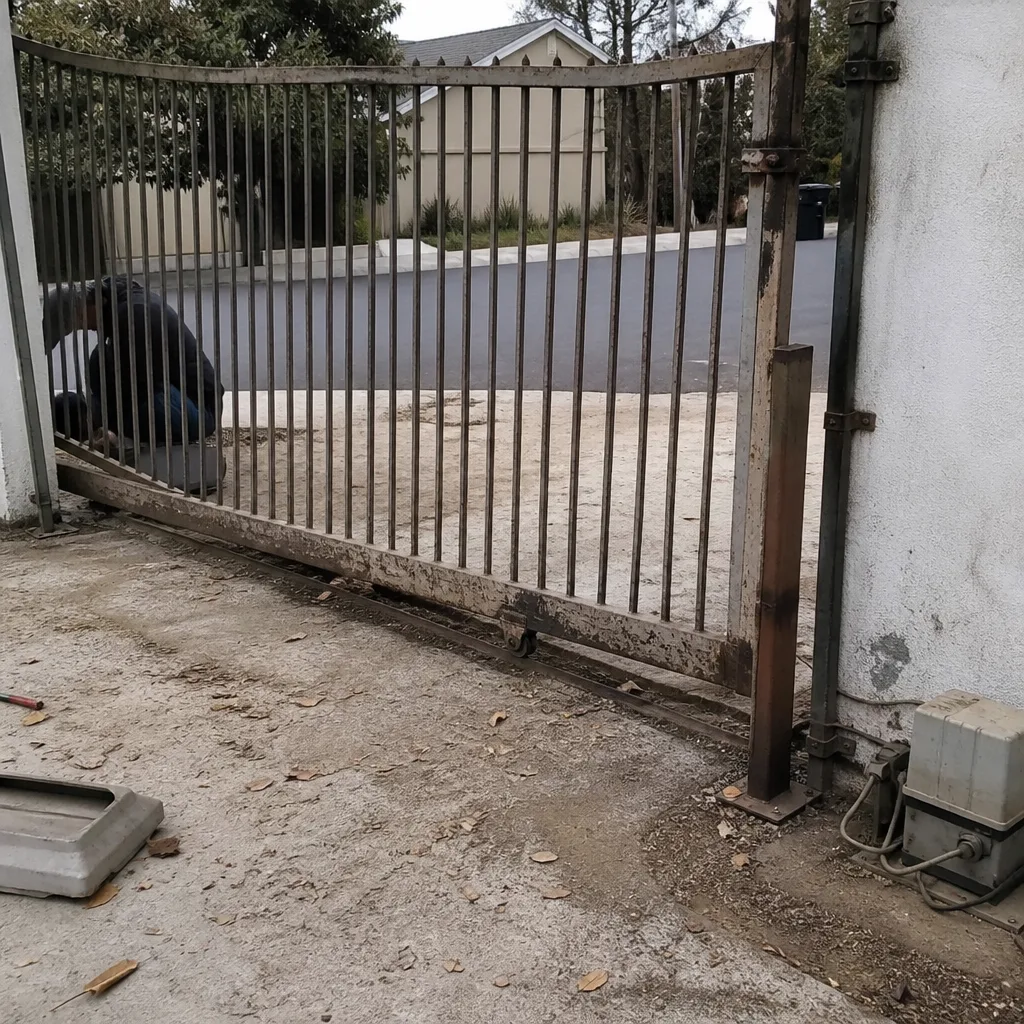 Before
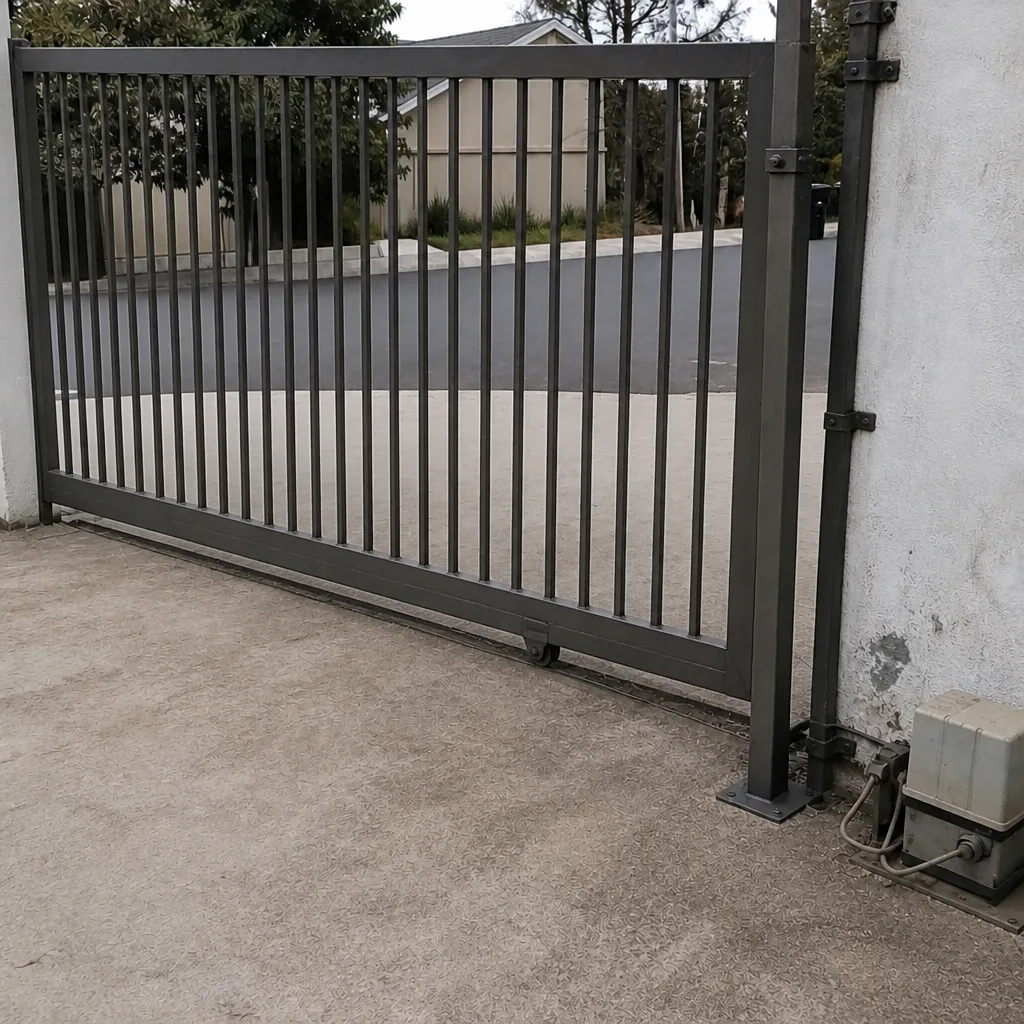 After
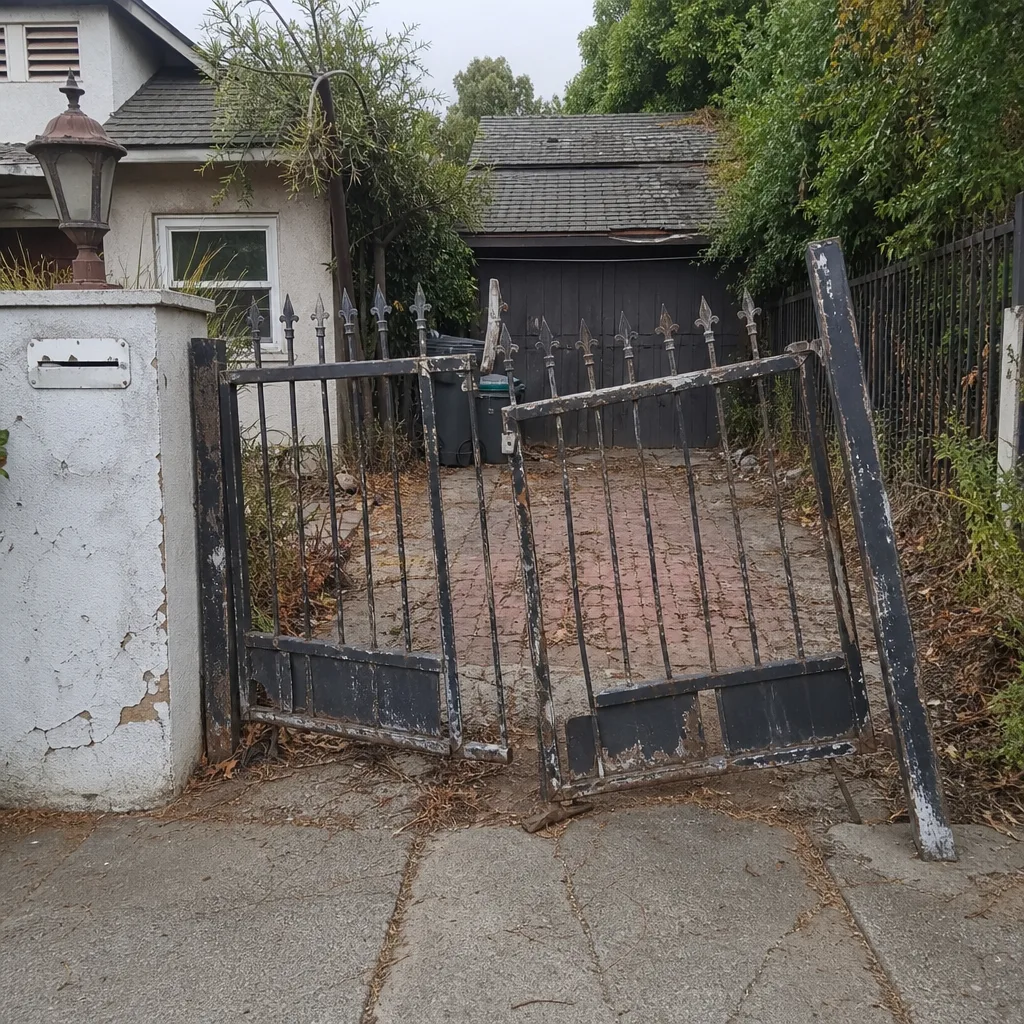 Before
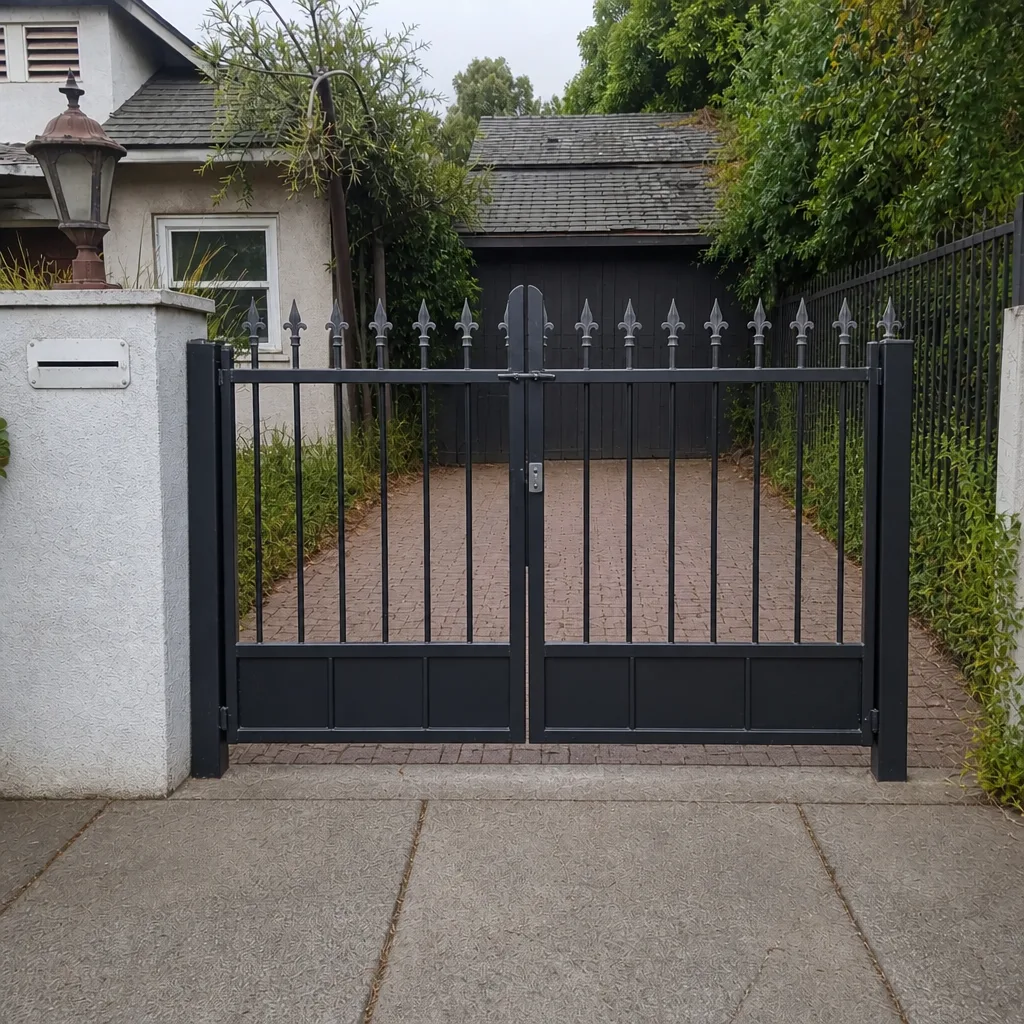 After
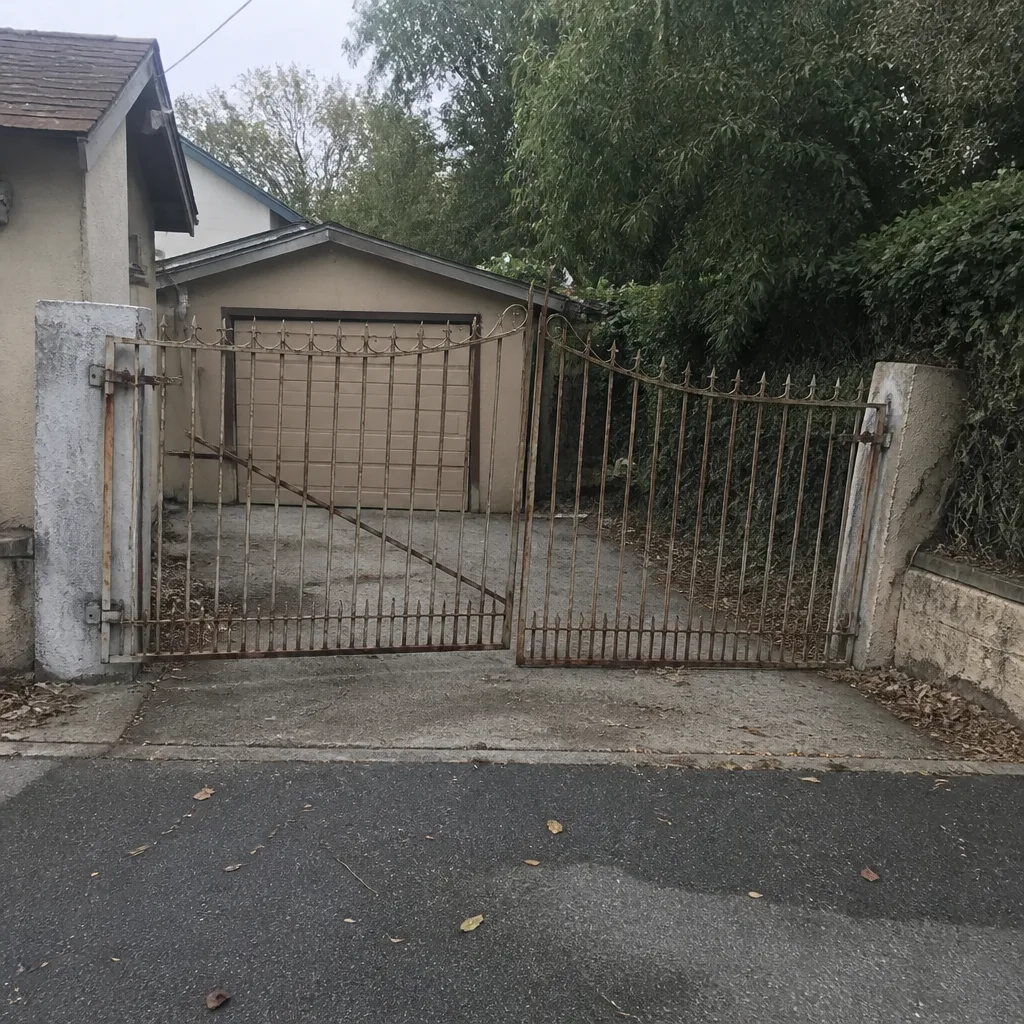 Before
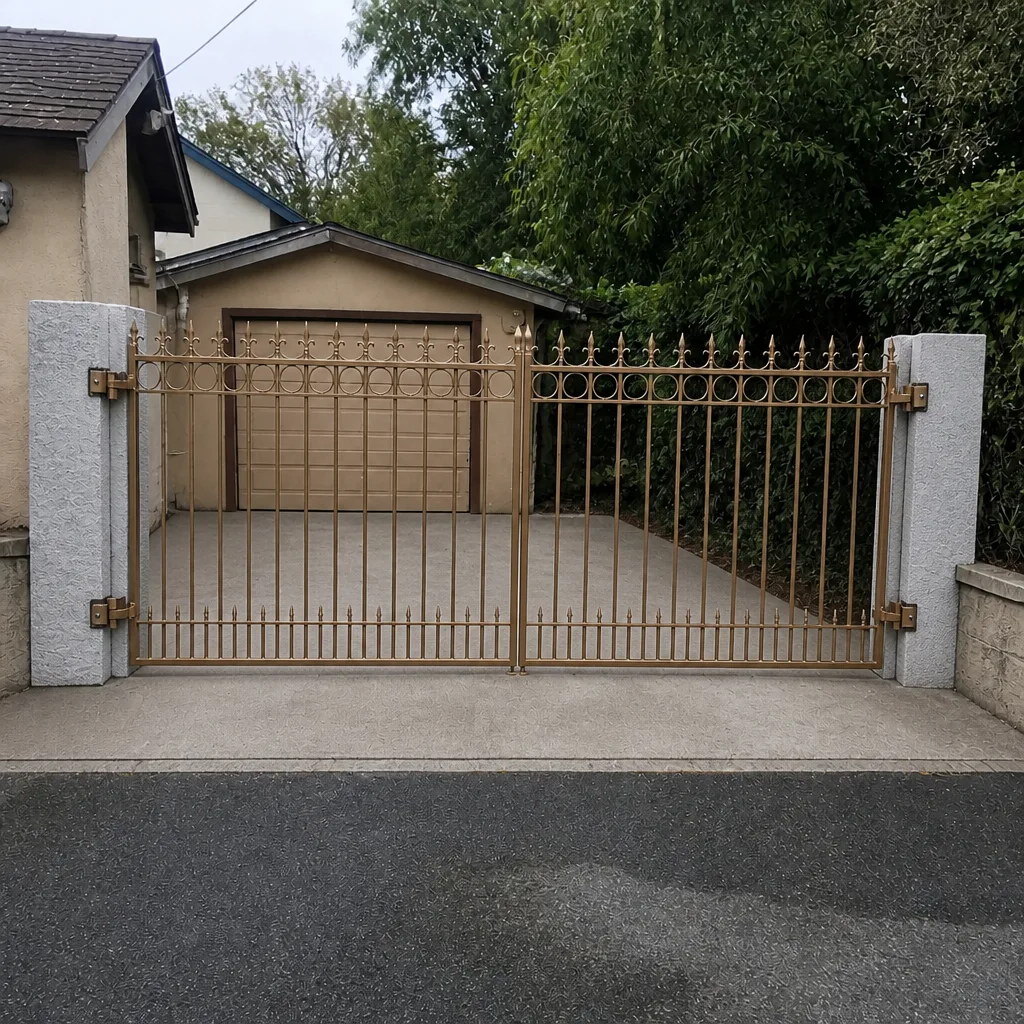 After
Frequently Asked Questions
A residential gate in Highland Park should be serviced every 6 months or roughly every 3,000 cycles, whichever comes first. Commercial gates with high daily cycle counts may need service every 2 to 3 months. The correct interval depends on actual usage, not a calendar date.
A proper maintenance visit includes hinge and wheel inspection, lubrication of moving parts, limit switch verification, safety sensor testing, control board cleaning, and a check of all mounting hardware. For underground actuators, the visit also includes opening the actuator box to check for water and seal condition. For a quote on maintenance in Highland Park, call (855) 490-6590. Estimates are free, and the final price is set by the written estimate before any work starts.
You can lubricate accessible hinge pins and chain drives between professional visits if the components are in good condition. Use a lubricant appropriate for the part, and do not lubricate worn hinges, because grease will not fix play. If you are unsure whether a component is worn or simply dry, have a technician assess it during a maintenance visit.
Highland Park’s long dry season increases dust accumulation inside operator housings and accelerates UV degradation of plastic components. The brief wet season can introduce water into actuator boxes and control enclosures. The schedule should shift: more attention to dust and heat during the dry months, and more attention to moisture and drainage during the wet months.
Yes. We service FAAC, BFT, LiftMaster, Linear, Viking, Ghost Controls, DoorKing, Elite, and Mighty Mule operators. Brand familiarity means we arrive knowing where wear shows up on your specific system and what to check first. Call (855) 490-6590 for a free estimate. We answer 24/7 and dispatch from 7am to 7pm, Sunday through Friday.
Deferred maintenance usually converts into a more expensive repair. A worn hinge left unaddressed becomes a misaligned gate that overloads the operator. A dusty control board becomes a heat-failed component. A wet actuator box becomes a seized underground unit requiring excavation. The maintenance visit is cheaper than the repair in nearly every case, and a documented history makes the inevitable repair faster and more accurate when it comes. Call (855) 490-6590 to schedule a maintenance visit before the next issue becomes a failure. We answer 24/7. Fast dispatch from 7am to 7pm, Sunday through Friday.
The Bottom Line
Gate maintenance is not a calendar exercise. It is a cycle-count discipline combined with seasonal awareness and drive-type-specific attention. Your swing arm needs different things than an underground actuator or a slide drive. Highland Park’s dust and heat demand different precautions than its brief rainy season. Documenting what you do in a maintenance journal turns routine service into a long-term asset. And knowing the difference between a hinge that needs grease and a hinge that needs replacement is the difference between maintaining a gate and postponing a repair. The calendar approach is easy to remember, but it is not how gates actually age. Treat your gate like the machine it is, on the schedule its usage demands.
Written by the team at Sentinel Gate Repair, serving Highland Park since 2016.